Unbiased AI-powered news
The Bolloré Group, which holds a significant stake in Universal Music Group, called on the label to reject a $64 billion acquisition offer. The shareholder stated the price was too low and questioned compatibility with the bidder.
The Bolloré Group, a major shareholder in Universal Music Group, urged the record label to reject a $64 billion acquisition offer on Wednesday. Cyrille Bolloré, CEO of the Bolloré Group, said at a shareholder meeting that the price was not high enough. He also questioned whether the bidder was compatible with the company’s management, describing the approach as more abrupt and rapid.
Background on the Offer The offer, made in April, would merge Universal Music Group with Pershing Square SPARC Holdings, shift its primary listing to the New York Stock Exchange, and value shares at about $35.13 each. The cash portion would include $2.9 billion from Pershing Square, $6.2 billion in debt financing, and $1.7 billion from selling the company’s Spotify stake.
Vincent Bolloré owns 18 percent of Universal Music Group, while Vivendi, in which he holds a major stake, owns an additional 13 percent. The bidder’s firm holds 4.5 percent.
The bidder had expressed interest in the label as early as 2021 and previously served on its board until resigning in 2025. Upon the April announcement, shares rose about 10 percent. An analyst at Square Global told Bloomberg in April that the proposal appeared unlikely to succeed without the Bolloré Group’s support.
Single source — no framing comparison available.
insurancejournal.comPreliminary data show every vessel that transited the waterway on July 12 did so without active tracking signals. Dark crossings have outnumbered observable passages in recent days as attacks reshape routes.
The War ZoneThe U.S. Army will station its ME-11B HADES aircraft and form a new unmanned aircraft system battalion at Fort Hood, Texas. The moves consolidate aerial intelligence units previously spread across multiple bases.
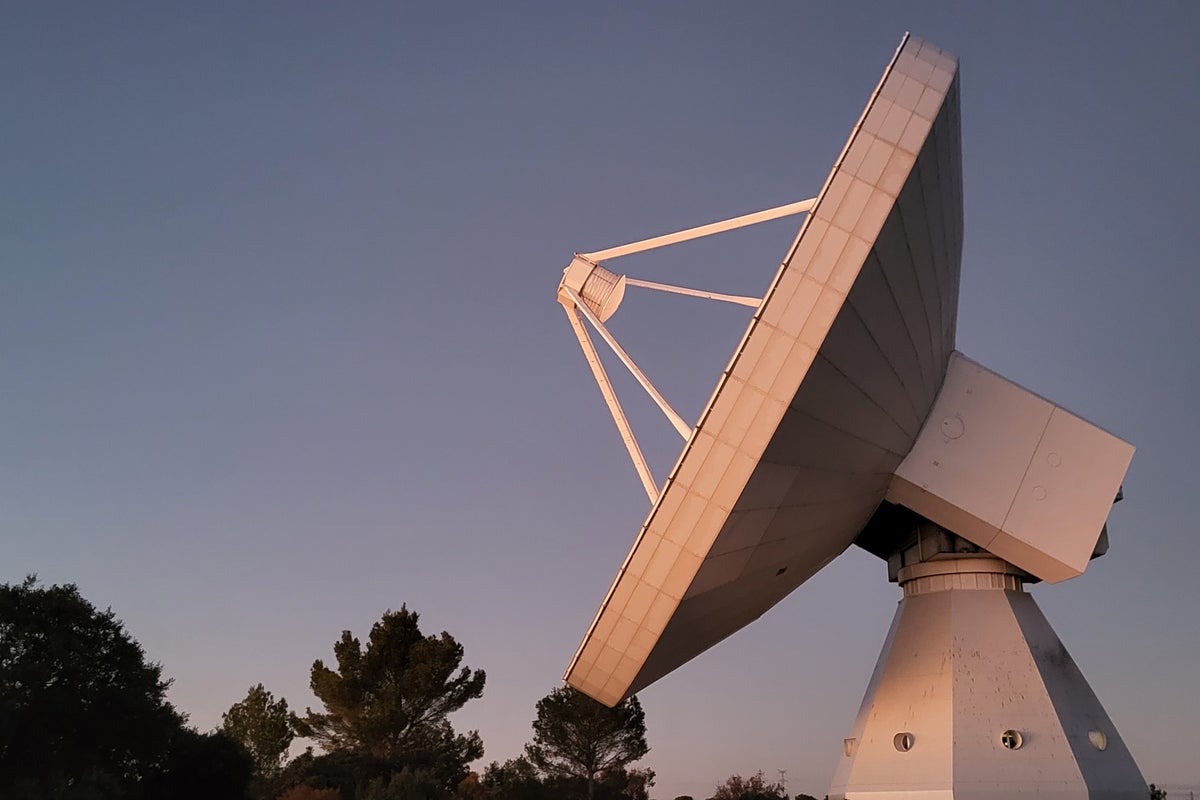
The IndependentResearchers identified the four-carbon sugar erythrulose in gas cloud G+0.693-0.027 using two Spanish radio telescopes. The finding adds to evidence that complex organic molecules form in interstellar space before stars and planets.