world
Man Killed After Breaching Perimeter at Denver International Airport
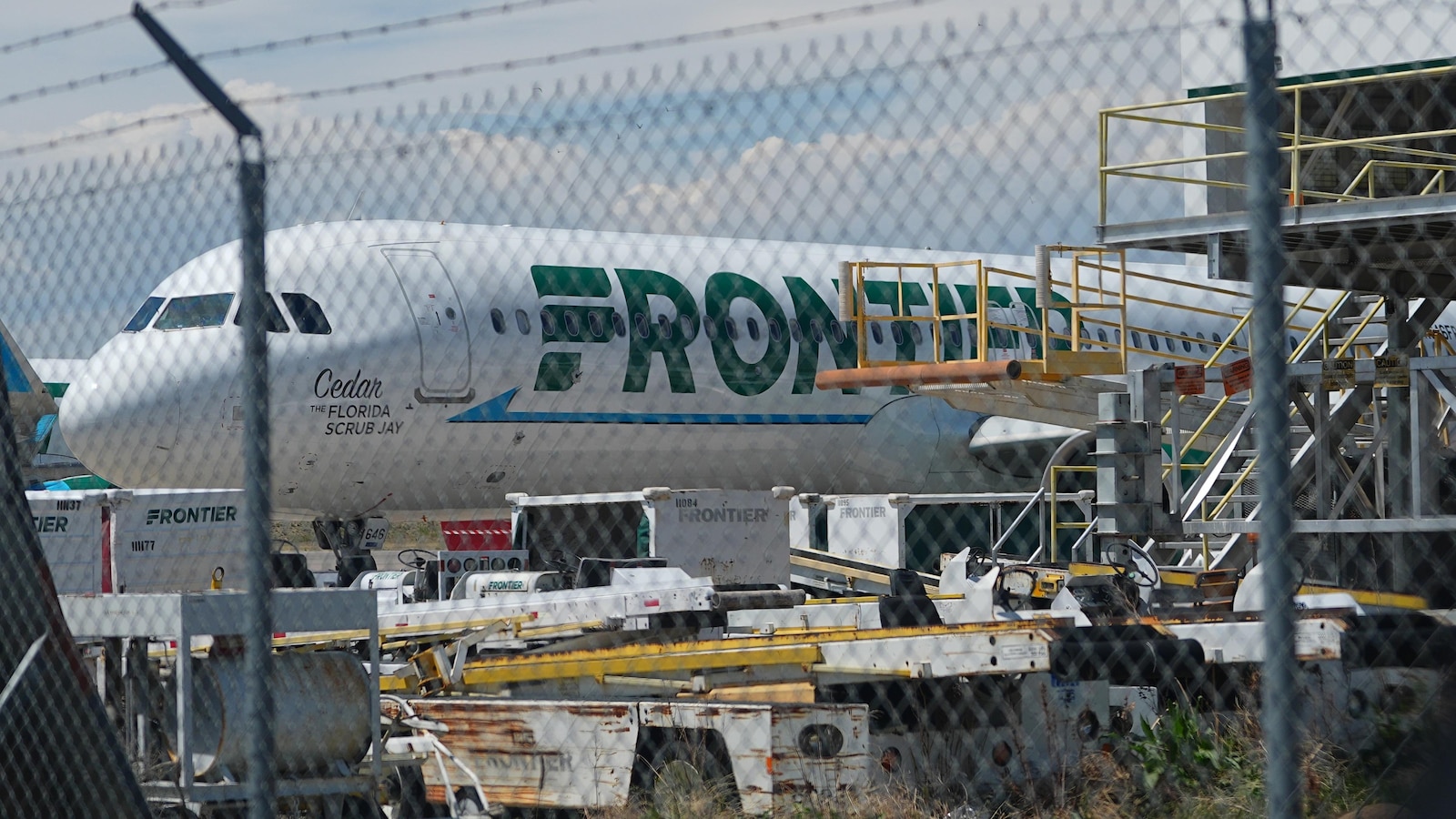
A 41-year-old man scaled an 8-foot fence at Denver International Airport late Friday and was struck by a jet preparing for takeoff with 231 people aboard. The pilot aborted the takeoff after the aircraft, traveling at 150 mph, struck the man and caught fire in an engine. Airport officials said an alarm was misattributed to deer and have promised a review of security protocols.
May 14, 10:00 AM·2m read3 sources


 abcnews.go.com
Audio version
Tap play to generate a narrated version.
In less than three minutes, a 41-year-old man exploited a security gap at Denver International Airport and stepped onto a runway in the path of a jet carrying 231 people. The man slipped past motion detectors in a remote area of the airport, which covers an area twice the size of Manhattan.
He scaled an 8-foot perimeter fence topped with barbed wire and walked onto the runway where he was fatally struck by the aircraft late Friday. Surveillance video showed the man being pulled into an aircraft engine that burst into flames. The pilot stopped the aircraft that was traveling 150 miles per hour and evacuated the 224 passengers and seven crew members.
Twelve people sustained minor injuries. The Denver medical examiner ruled the intruder's death a suicide. Officials from the city-owned airport promised a review of their protocols. They defended the perimeter security program and said it received perfect scores during federal inspections.
During the breach an alarm from a ground detection sensor was triggered shortly before the man entered the airport along its eastern boundary about 2 miles from the terminal. An airport worker watching video surveillance cameras attributed the alarm to a herd of deer and missed the intruder.
It took the man about 15 seconds to scale the fence and two minutes more to reach the runway according to airport officials. Airport officials did not know the man was on the runway until the pilot notified the control tower that the plane had hit somebody.
The airport is surrounded by about 36 miles of fence which officials say is patrolled by security workers and continuously inspected.
Aviation and risk experts described the event as a clear security failure. One law professor stated "People ought to be concerned. This was really an unprecedented risk. " He added that having somebody damage a plane is concerning because of all the lives aboard any given aircraft and that new measures ought to be put into place.