politics
Maryland Governor Wes Moore Discusses Economic Impacts and Foreign Policy in CBS Interview
In an interview taped on April 3, 2026, and set to air on April 5, 2026, Maryland Governor Wes Moore addressed the effects of an ongoing war on the U.S. economy, including rising gas prices and inflation. Moore outlined state-level responses such as tax cuts for the middle class and accountability measures for corporations.
Apr 5, 7:30 AM·2m read1 source
 ibtimes.co.uk
Audio version
Tap play to generate a narrated version.
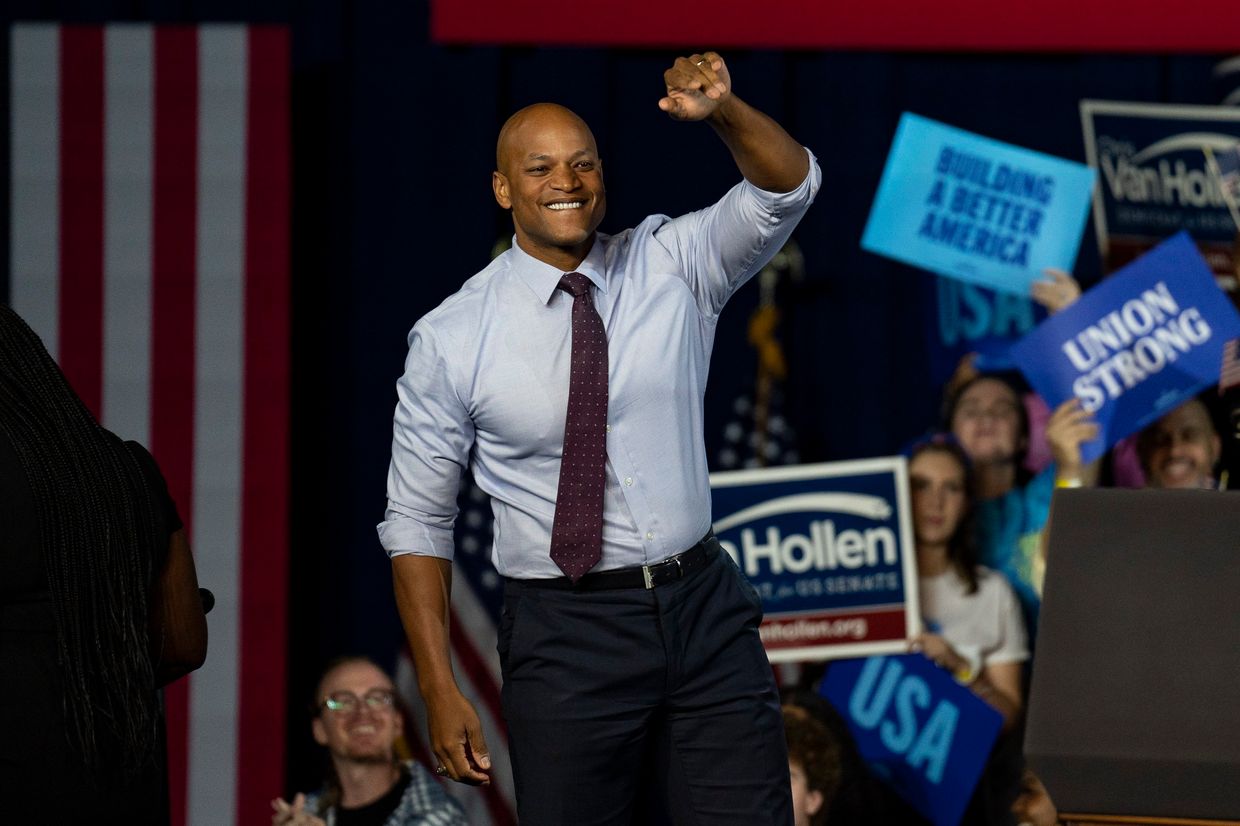
Maryland Democratic Governor Wes Moore appeared in an interview on "Face the Nation with Margaret Brennan," moderated by senior White House and political correspondent Ed O'Keefe. The interview was taped on April 3, 2026, and is scheduled to air on April 5, 2026.
During the discussion, Moore addressed economic challenges linked to an ongoing war, including rising gas prices, inflation, climbing mortgage rates, and declining mortgage applications. A recent jobs report released on Friday prior to the interview showed positive results, but residents in Maryland reported feeling economic pressure.
Moore stated that governors lack control over national factors such as energy price spikes, which he illustrated with his mother's energy bill increasing from $140 in March of the previous year to nearly $500. He noted gas prices had risen by more than $1, attributing this to the decision to enter another war.
Moore emphasized that while governors cannot directly influence food prices or housing costs, they can address issues like price manipulation by large corporations and hold data center companies accountable. In Maryland, the state has implemented rebates to return funds to residents amid rising energy costs.
O'Keefe referenced a recent survey indicating a decline in Moore's approval rating, with disapprovals linked to tax and fee increases. The discussion included the possibility of waiving Maryland's gas tax, one of the highest in the country, to provide temporary relief.
Moore responded that the most effective solution to high gas prices would be to end foreign wars, which he described as contributing to the over-$1 increase. He disagreed with the president's view that prices would decrease once the war concludes, stating that the administration had not fully explained the causes or required actions to lower them.