Substrate
health

Maternal Health Services Disrupted in Mozambique's Niassa Province Due to Aid Cuts

Maternal health programs in Mozambique's remote Niassa province have nearly halted following the withdrawal of international aid. Organizations report increased complications for pregnant women and newborns due to reduced access to services. Efforts are underway to adapt and secure alternative funding to sustain these programs.
The Independent
1 source·Apr 26, 8:12 AM(9 days ago)·2m read
Maternal Health Services Disrupted in Mozambique's Niassa Province Due to Aid CutsSubstrate placeholder — needs review · Wikimedia Commons (CC BY-SA 3.0)
Audio version
Tap play to generate a narrated version.
Developing·Limited corroboration so far. This page will refresh as more sources emerge.

Maternal health services in Mozambique's northern Niassa province have faced significant disruptions after the withdrawal of funding from the United States Agency for International Development (USAID) and other Western nations a year ago. Fatima Abacassamo, head of Mozambique programming for EngenderHealth, stated that many pregnant women now arrive at health facilities only after complications have developed, often requiring urgent surgical interventions that are not always available.

For three years, EngenderHealth provided community-based maternal services with $6.74 million in USAID funding, identifying high-risk pregnancies and monitoring access to facilities. These activities, including training for healthcare providers and community awareness programs, have stopped in Niassa.

Newborns Abacassamo reported that women are presenting with issues such as high blood pressure, excessive bleeding, and placenta covering the cervix, which can lead to death or long-term disabilities like infertility from uterine rupture. She noted a critical gap in timely access to safe cesarean sections by trained personnel.

Delays in services, limited early detection, and gaps in referrals are expected to increase maternal deaths, according to Abacassamo. Nelida Rodrigues, the representative in Mozambique for the UN Population Fund (UNFPA), stated that gains in reducing maternal deaths and infant morbidities are at risk due to changes in the donor landscape.

In Niassa, mobile clinics have ceased, community outreach has halted, and distribution of life-saving commodities may become inconsistent. Throughout Mozambique, 48.6 percent of women receive four or more antenatal care visits, while 36 percent of women and 41 percent of newborns get postnatal consultations within two days after birth.

Infant mortality has declined from 54 deaths per 1,000 live births in 1997 to 24 per 1,000 in 2022/2023, and the maternal mortality ratio has fallen from 690 to 233 per 100,000 live births over the same period.

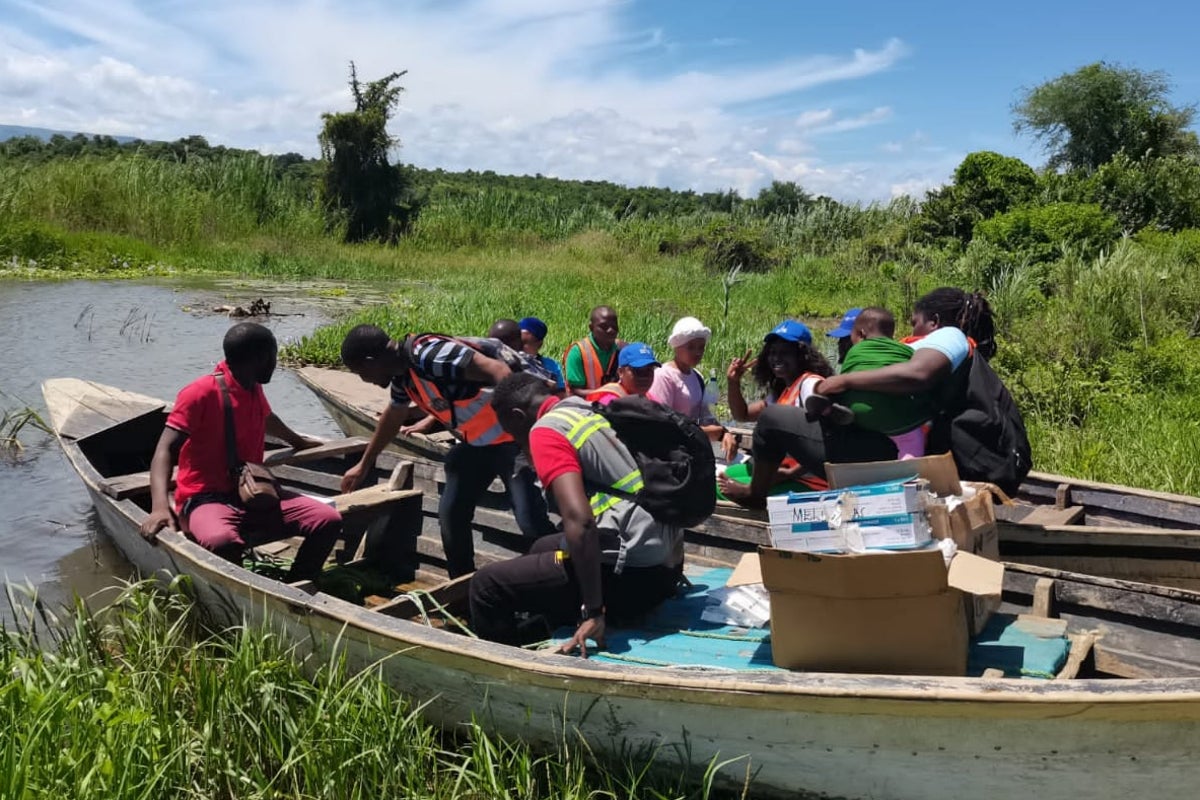
members in Niassa reported that pregnant women and new mothers are left without support in many districts, with some still awaiting follow-up treatments. In villages along the Niassa River, home births remain common due to distances and the need to cross Lake Niassa by boat, with trained matrons providing basic care but struggling with complications.

Other organizations, such as ActionAid, are experiencing funding reductions, leading to shortages of medicines, equipment for deliveries, and anesthesia materials. Clotilde Noa, who works for ActionAid in Mozambique, stated that the country is prone to natural disasters like cyclones and floods, which impact health infrastructure.

Noa added that ActionAid has received requests for funding support from local organizations and district governments. To address aid reductions, organizations are shifting to sustainable approaches, including integrated community-based programs and strengthening primary health care.

UNFPA is collaborating with non-traditional donors like South Korea and Ireland, exploring African partnerships, and integrating maternal health with climate resilience to maximize funding impact. It is also building capacity for domestic NGOs and provincial health authorities.

EngenderHealth is seeking new funding and partnerships for technical assistance in Niassa and other areas. Abacassamo stated that without secured funding in the coming months, the organization may withdraw from Mozambique. Mobilizing domestic resources remains challenging amid precarious finances and climate change effects on the agricultural sector, which accounts for about 25 percent of GDP.

Key Facts

$6.74 million
USAID funding for EngenderHealth's maternal services over three years
48.6 percent
women receiving four or more antenatal care visits in Mozambique
233 per 100,000
maternal mortality ratio in Mozambique in 2022/2023
25 percent
agriculture's share of Mozambique's GDP

Story Timeline

3 events
  1. One year ago

    USAID and other Western nations withdrew funding for overseas development programs in Mozambique.

    1 sourceThe Independent
  2. Recent months

    EngenderHealth halted maternal health activities, training, and awareness programs in Niassa province.

    1 sourceThe Independent
  3. Three years prior

    EngenderHealth implemented community-based maternal services in Niassa with $6.74 million in USAID funding.

    1 sourceThe Independent

Potential Impact

  1. 01

    Increased maternal and infant mortality rates in Niassa due to delayed access to surgical interventions.

  2. 02

    Halt in mobile clinics and community outreach, reducing antenatal and postnatal care coverage.

  3. 03

    Shortages of medicines and equipment for deliveries in affected provinces.

  4. 04

    Potential withdrawal of organizations like EngenderHealth from Mozambique without new funding.

Transparency Panel

Sources cross-referenced1
Framing risk28/100 (low)
Confidence score65%
Synthesized bySubstrate AI
Word count528 words
PublishedApr 26, 2026, 8:12 AM
Bias signals removed3 across 2 outlets
Signal Breakdown
Loaded 2Amplifying 1

Related Stories

Trump Nominates Dr. Nicole Saphier for Surgeon General After Previous Nominee WithdrawsThe Times
health3 days agoUpdated

Trump Nominates Dr. Nicole Saphier for Surgeon General After Previous Nominee Withdraws

President Trump announced Dr. Nicole Saphier, a 44-year-old radiologist and Fox News contributor, as his nominee for U.S. surgeon general on Thursday, following the withdrawal of Dr. Casey Means due to insufficient Senate support. Saphier, who authored a book titled Make America…

The Times
Stat
The Atlantic
Npr
Washington Examiner
5 sources
Supreme Court Considers Cancer Warning Requirement for Monsanto's RoundupUsa Today
health6 days agoDeveloping

Supreme Court Considers Cancer Warning Requirement for Monsanto's Roundup

The U.S. Supreme Court heard arguments on whether Monsanto must add a cancer warning to its Roundup weedkiller, following a $1.25 million verdict awarded to plaintiff John Durnell. The case examines if federal EPA regulations preempt state court lawsuits over labeling. The Trump…

Usa Today
1 source
Nancy Cox, Former CDC Influenza Division Leader, Dies at 77 from GlioblastomaStat
health10 days agoDeveloping

Nancy Cox, Former CDC Influenza Division Leader, Dies at 77 from Glioblastoma

Nancy Cox, who led the CDC's influenza team for 22 years and contributed to global flu surveillance, died Thursday from glioblastoma. She was 77. Colleagues praised her role in pandemic preparedness and vaccine development.

Stat
1 source