Substrate
health

Medicaid Funding Reductions Affect Family Caregivers in Maryland

A federal spending package signed by President Donald Trump last year is projected to reduce Medicaid funding by about $1 trillion over the next decade. Maryland has already cut $126 million from programs for people with developmental disabilities, reducing wages and hours for family caregivers starting July 1.

Nbc News
1 source·May 15, 9:00 AM(14 days ago)·3m read
Medicaid Funding Reductions Affect Family Caregivers in MarylandNbc News
Audio version
Tap play to generate a narrated version.
Developing·Limited corroboration so far. This page will refresh as more sources emerge.

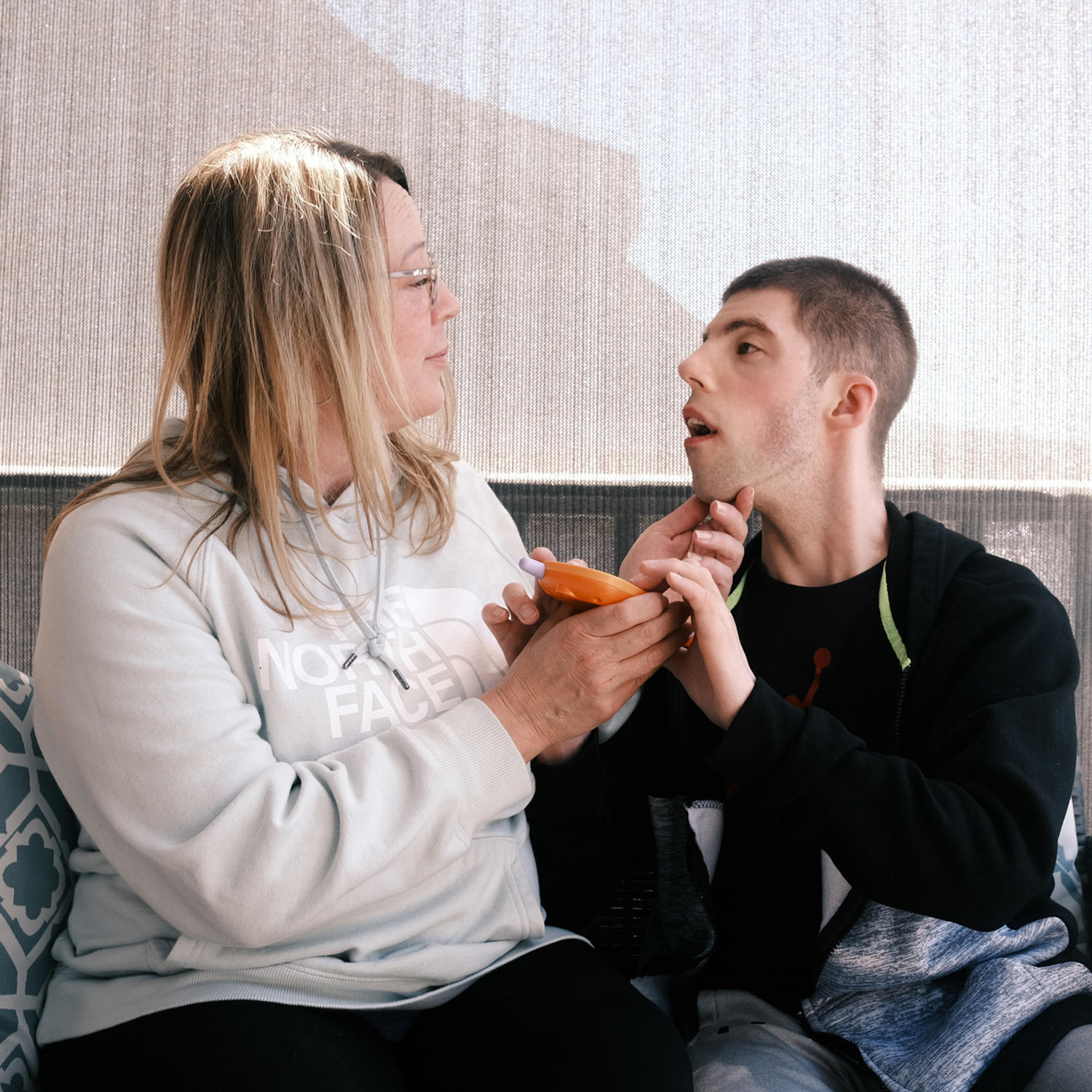
Families caring for disabled relatives in Maryland are adjusting to state-level reductions in Medicaid-funded caregiving programs that take effect July 1. Melissa Gonce cares full time for her 28-year-old son Jason, who is nonverbal, has profound cognitive limitations and requires constant supervision.

Under a Medicaid program that permits family members to be paid as caregivers, she earns about $67,000 a year. Six years ago she took over his care after repeated incidents in which he returned from a day program soaked in urine, dehydrated and distressed.

Under her care, Jason’s seizures stabilized and he made small gains in independence and daily routines. Gonce said her constant fears about his well-being eased. She is also raising a 14-year-old son. The state will reduce family caregivers’ wages and cap the number of hours they can be paid each week.

For Gonce, the changes are expected to result in an annual loss of roughly $18,000. Some households that pay multiple family caregivers say their incomes could drop by more than $80,000.

A federal spending package signed by President Donald Trump last year is expected to slash Medicaid funding by about $1 trillion over the coming decade. Trump’s Medicaid reductions will begin affecting state budgets next year. Maryland acted earlier, cutting $126 million this spring from programs serving people with developmental disabilities amid inflation-driven deficits.

Amanda Hils, a spokesperson for the Maryland Department of Health, said the changes were necessary to rein in costs of programs supporting people with disabilities, which had grown by more than 144 percent over the past five years. The cuts aim to ensure the long-term stability of the programs.


The Democratic-controlled state Legislature and Gov. Wes Moore adopted the measures after hearings in which dozens of disabled program recipients and their families asked lawmakers to restore funding.

Paying family members to care for disabled and elderly relatives had broad bipartisan support until recently as a way to address a shortage of home-care workers. The approach grew out of a 1980s policy change under the Reagan administration that used Medicaid funds to support home- and community-based services as an alternative to institutionalization.

States and the federal government share the costs of the system, which has long had waiting lists numbering in the hundreds of thousands nationally. Many states expanded paid family caregiving options to provide consistent care by trusted relatives rather than rotating outside workers.

Enrollment growth later increased costs and drew scrutiny from some conservative policymakers who described the programs as prone to fraud and waste. Molly Morris, co-founder of the Self-Direction Center, said attacking paid family caregiving could overwhelm a system that is already strained with too few workers and long waiting lists.

Jason Resendez, president and CEO of the National Alliance for Caregiving, stated that the payments compensate for services required because of serious illness or disability rather than simply paying relatives to be present. Gonce said she now faces a decision on whether she can absorb the reduced payments and continue caring for her son at home or whether she will need to return him to programs she believes previously failed him.

On Wednesday, Vice President JD Vance announced the Trump administration was withholding $1.3 billion in Medicaid funds from California over fraud concerns that included home care. Republicans on the House Oversight Committee also sent a letter to Ohio’s Medicaid director questioning payments to family caregivers.

Key Facts

$1 trillion
projected Medicaid reduction over 10 years
$126 million
Maryland cut to disability programs
$67,000
Gonce annual earnings as paid caregiver
144%
growth in Maryland disability program costs over 5 years
$18,000
estimated annual loss for Gonce

Story Timeline

5 events
  1. 2025

    President Trump signed federal spending package projected to cut Medicaid by $1 trillion over a decade.

    1 sourceNbc News
  2. Spring 2026

    Maryland cut $126 million from developmental disability programs including family caregiver payments.

    1 sourceNbc News
  3. May 2026

    Maryland Legislature and Gov. Wes Moore approved wage reductions and hour caps for family caregivers.

    1 sourceNbc News
  4. July 1 2026

    Maryland's reduced wages and capped hours for family caregivers take effect.

    1 sourceNbc News
  5. May 2026

    Trump administration withheld $1.3 billion in Medicaid funds from California over home care fraud concerns.

    1 sourceNbc News

Potential Impact

  1. 01

    Maryland family caregivers will receive lower wages and fewer paid hours starting July 1.

  2. 02

    States may make further reductions to home and community-based services as federal Medicaid funding decreases.

  3. 03

    Federal and state reviews of paid family caregiving programs are likely to increase.

Transparency Panel

Sources cross-referenced1
Confidence score65%
Synthesized bySubstrate AI
Word count573 words
PublishedMay 15, 2026, 9:00 AM
Bias signals removed3 across 1 outlet
Signal Breakdown
Editorializing 1Speculative 1Framing 1

Related Stories

Zambia’s Kabwe Residents Sue Mining Company Over Lead ContaminationFrance 24
health4 hrs agoDeveloping

Zambia’s Kabwe Residents Sue Mining Company Over Lead Contamination

Children in Kabwe, Zambia, show blood lead levels above World Health Organization limits after decades of mining. An estimated 140,000 women and children have joined a class-action lawsuit against Anglo American South Africa Limited.

France 24
FR
2 sources
Ebola Outbreak in Eastern DRC Kills at Least 240 Since Early Maycitizen.co.za
health10 hrs ago

Ebola Outbreak in Eastern DRC Kills at Least 240 Since Early May

The virus has spread from Ituri province into other eastern DRC regions and Uganda. Health workers report reduced international aid and limited local resources as they attempt to contain transmission.

The Guardian
1 source
Outbreaks of hantavirus and Ebola prompt U.S. quarantine and travel measuresmanilatimes.net
health8 hrs ago

Outbreaks of hantavirus and Ebola prompt U.S. quarantine and travel measures

The U.S. government ordered quarantines after a hantavirus outbreak on a cruise ship and imposed new traveler restrictions during an Ebola outbreak in Africa. Federal agencies stated that response operations continue despite recent staffing reductions at health agencies.

Cbs News
1 source