Substrate
science

Medieval English Texts Reveal Extinct Pronouns Used for Intimacy

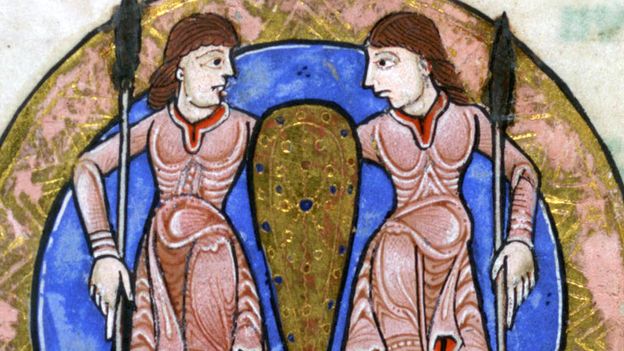
Historical tales from 1,000 years ago in English literature include pronouns that are no longer in use. These pronouns appear in contexts of love and adventure. The findings highlight variations in medieval language for expressing closeness.

bbc.com
1 source·Apr 9, 10:00 AM(50 days ago)·1m read
Medieval English Texts Reveal Extinct Pronouns Used for Intimacybbc.com
Audio version
Tap play to generate a narrated version.

Medieval English literature from approximately 1,000 years ago contains a range of pronouns that have since become extinct. These pronouns appear in stories of love and adventure. com, the pronouns include terms such as 'wit,' 'unker,' and 'git,' which were used to denote intimacy.

The texts examined date back to the early medieval period. They reflect how speakers of Old English and Middle English expressed personal relationships. Linguists have identified these pronouns through analysis of surviving manuscripts.

modern English, pronouns like 'you' and 'thou' have evolved, but medieval usage was more varied.

The extinct pronouns served specific social and emotional functions. For instance, they distinguished levels of familiarity in interactions. Scholars note that these pronouns capture nuances in human connections from that era.

The stories involve characters in romantic or adventurous scenarios. This provides insight into the cultural role of language in medieval society.

The pronouns are preserved in manuscripts that have survived over centuries.

Researchers continue to study them to understand language evolution. Future analyses may uncover additional examples in underexplored texts. The discovery affects fields like historical linguistics and literature.

It offers a window into how intimacy was linguistically framed in the past. No direct quotes from the original texts are provided in the source material.


Key Facts

Extinct pronouns
include wit, unker, git in medieval texts
Time period
stories from 1,000 years ago
Usage context
love and adventure narratives
Language evolution
shows variations in intimacy expression

Potential Impact

  1. 01

    Linguists may incorporate findings into studies of Old English grammar.

  2. 02

    Educational materials on medieval literature could include these pronouns.

  3. 03

    Public interest in historical language may increase through media coverage.

Transparency Panel

Sources cross-referenced1
Confidence score70%
Synthesized bySubstrate AI
Word count216 words
PublishedApr 9, 2026, 10:00 AM
Bias signals removed3 across 2 outlets
Signal Breakdown
Loaded 1Editorializing 1Speculative 1

Related Stories

WHO Director Visits Congo as Ebola Outbreak SpreadsNpr
science4 hrs ago

WHO Director Visits Congo as Ebola Outbreak Spreads

The head of the World Health Organization arrived in Kinshasa to support efforts against a rare Ebola strain. Health workers face equipment shortages, community distrust, and armed conflict in affected provinces.

Npr
France 24
2 sources
FDA Panel Recommends XFG Variant for Fall Covid Shotsmedpagetoday.com
science2 hrs agoDeveloping

FDA Panel Recommends XFG Variant for Fall Covid Shots

Replimune will submit an application to the FDA for the third time. Pfizer and Innovent Biologics reached a collaboration agreement valued at up to $10.5 billion.

Stat
1 source
Benzinga Publishes Article on Biotech Stocks During Pandemic Recoveryfinance.yahoo.com
science6 hrs agoDeveloping

Benzinga Publishes Article on Biotech Stocks During Pandemic Recovery

Benzinga published an article titled 'Best Biotech Stocks Right Now' that addresses the sector's position during global recovery from the pandemic. The piece notes government institutions and professional traders are focusing on biotech companies for vaccine and booster developme…

Benzinga
1 source