Unbiased AI-powered news
Journalist Daniela Gerson's book "The Wanderers" examines how nearly 300,000 Polish Jews survived the Holocaust by fleeing east to the Soviet Union in 1939. The blend of memoir, history and journalism follows her family's decade-long journey through labor camps, Central Asia and displaced persons camps.
Substrate placeholder — needs reviewJournalist Daniela Gerson has published a book that traces how nearly 300,000 Polish Jews survived the Holocaust by fleeing to the Soviet Union rather than remaining in Nazi-occupied Poland. The book, titled "The Wanderers," combines memoir, history and journalism to recount her family's experiences.
Gerson, an immigration reporter and professor of journalism at California State University, grew up believing her grandparents' story was uncommon. She later discovered it represented the majority experience among Polish Jewish survivors. The Nazis killed 90 percent of Poland's Jews.
Gerson's grandparents left the town of Zamość and spent a decade in exile, moving through Siberian labor camps, Central Asia, and displaced persons camps in Austria and Germany. Gerson told the Jewish Telegraphic Agency that she knew her grandparents had survived in forced labor in Siberia but did not see their story reflected in Holocaust education.
Her own education focused on those who survived concentration camps, hid in attics and forests, or posed as Christians. The investigation began with Gerson's relationship with Talia Inlender, an immigration attorney. Gerson learned that Inlender's grandfather came from the same town, with their family homes about 100 steps apart across the town square in Zamość.
Both families followed nearly identical paths after crossing into the Soviet Union in fall 1939. Both families became refugees in what is now Lviv in western Ukraine. They faced hunger and disease, which killed Gerson's uncle Arik, the firstborn child of her grandparents Mottel and Peshke Gerson.
They witnessed arrests and disappearances of other Polish citizens by Soviet secret police. When offered a choice between Soviet citizenship and returning to Nazi-occupied Poland, the families chose to return home. The offer proved to be a deception.
Stalin labeled those who applied to leave as traitors, leading to their deportation in 1940 to forced labor camps in the Ural Mountains in Sverdlovsk province. This prompted their release and years of movement through Kazakhstan, Uzbekistan and Turkmenistan, where they continued to face hunger, illness and arrests while surviving on the black market.
At the end of the war, both families returned briefly to Poland before antisemitic pogroms drove them westward to displaced persons camps in Austria and Germany. The Inlender family immigrated to Israel in 1949, while the Gerson family went to the United States in 1950.
Gerson's father Allan Gerson was born in an Uzbek village. Inlender's father Nachum Inlender was born in an Austrian displaced persons camp.
In the postwar years, the Soviet narrative emphasized victory over the Nazis and liberation of death camps, limiting discussion of Soviet actions toward Jews. In the United States, initial portrayals of Stalin as an ally shifted during the Cold War, leading Gerson's grandparents to downplay their Soviet connections.
Gerson said her grandparents focused on those who were murdered rather than their own survival. "They were consumed with guilt. I saw my grandfather focus on telling the story of the relatives who were left behind in Poland and who were killed," she said.
" Officially, families who fled east were not recognized as Holocaust survivors for many years. When Germany began paying reparations through the Claims Conference in the 1950s, those who had gone east did not qualify. As a result, both families provided false information on documents to enter displaced persons camps and gain admission to the United States.
Gerson and Inlender have dedicated their careers to immigration issues. m. ET on June 10. The reporting for the book took Gerson to Zamość in Poland, Ukraine and Uzbekistan. The Russia-Ukraine war prevented travel to Siberia.
Single source — no framing comparison available.
middleeasteye.netFootage released shows damage from American strikes on Kish, Iran's resort and free-trade island in the Gulf. The island joins Bandar Abbas, Konarak and the coastal corridor as confirmed targets on night three.
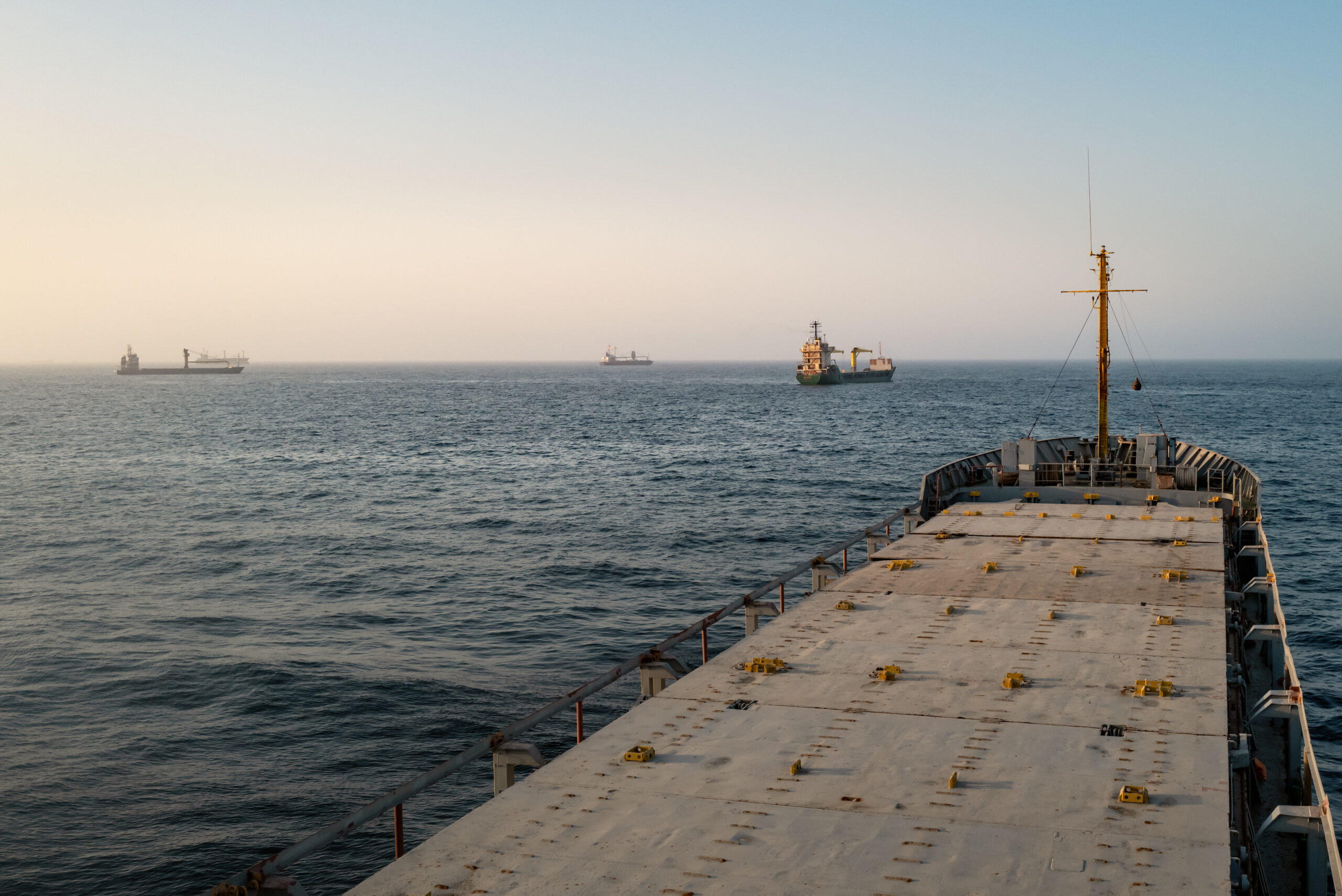
insurancejournal.comPreliminary data show every vessel that transited the waterway on July 12 did so without active tracking signals. Dark crossings have outnumbered observable passages in recent days as attacks reshape routes.
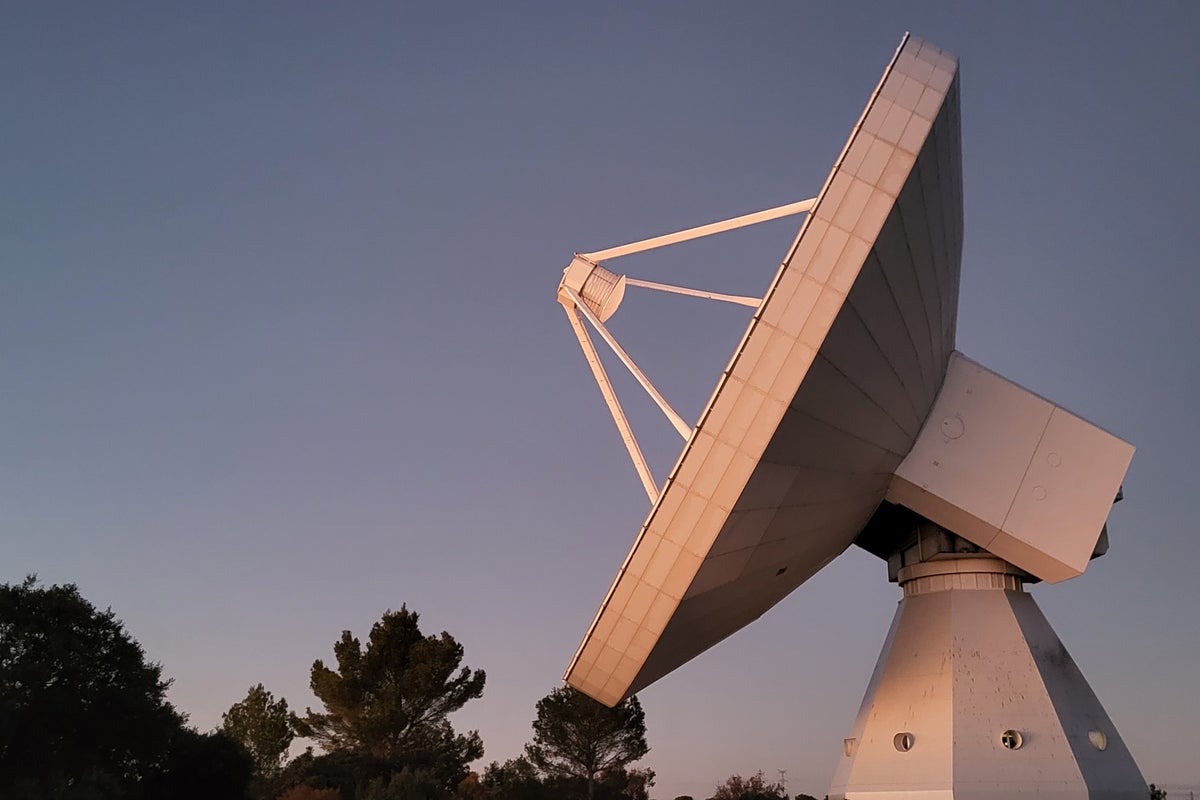
The IndependentResearchers identified the four-carbon sugar erythrulose in gas cloud G+0.693-0.027 using two Spanish radio telescopes. The finding adds to evidence that complex organic molecules form in interstellar space before stars and planets.