Unbiased AI-powered news
Surveys and reports highlight overwhelming workloads for UK mental health nurses, leading to patient risks, while US cities expand crisis response programs amid funding challenges. Virginia advances studies on school mental health screenings despite concerns over effectiveness. Global access to emergency mental health support has increased, according to the World Health Organization.
The GuardianMental health services in the UK and US are grappling with rising demand, staffing shortages, and debates over screening and response strategies. A UK survey revealed that four-fifths of mental health nurses consider their workloads unmanageable, with half reporting frequent patient harm due to high caseloads.
In the US, more than 40 major cities have implemented alternative crisis response programs, but funding uncertainties persist, and recent incidents underscore implementation gaps. Globally, over 1 billion people live with a mental health condition. These developments come amid local challenges in service delivery.
A Royal College of Nursing survey found that nearly two-thirds of UK mental health nurses reported significant caseload increases over the past three years. Only 12% said they had enough time for patient care, with excessive administrative tasks cited as a major barrier.
The poll indicated that demand for services has grown more than twice as fast as the nursing workforce. Between October 2022 and 2025, the number of people accessing community mental health services in England rose 38%, from 499,730 to 689,769. During the same period, the nursing workforce increased by 15%, from 20,171 to 23,280.
Nurses described situations where patients wait weeks for responses or receive no contact, raising safety concerns.
“With too few staff, overwhelming caseloads and excessive admin, community mental health nursing teams are caught in a perfect storm." — Prof Nicola Ranger, general secretary of the Royal College of Nursing (The Guardian). The Care Quality Commission reported in March that a third of people seeking mental health care wait at least three months for appointments, and half of those contacting child crisis services do not receive needed help. The UK Department of Health and Social Care stated that community mental health nurse numbers increased by 26% since July 2024, with £16.1 billion invested in services this year.”

In the US, programs dispatching mental health workers instead of or alongside police to behavioral crises have expanded to 44 of the 50 largest cities. However, incidents like the March 27 police shooting of Katelyn Hall in Louisville, Kentucky, during a suicidal crisis, highlight limitations in current models.
Hall's case was not eligible for the city's deflection program due to reports of a potential weapon. Louisville promised a co-responder program in a settlement related to the 2020 death of Breonna Taylor, but it has not launched. Mayor Craig Greenberg's office is considering plans for such a model.
Similar demands for expanded crisis intervention followed fatal police shootings in Hartford, Connecticut, and Baltimore County, Maryland, involving individuals in mental health crises. In Baltimore County, Helen Haley called the 988 hotline for her son John Haley, who was in a suicidal crisis, expecting clinicians; police arrived and shot him, leaving him paralyzed.
In New York City, Mayor Zohran Mamdani created an Office of Community Safety to oversee and expand the B-HEARD alternative response program, which has handled over 17,000 requests since 2024. Funding remains a hurdle, with programs in Santa Barbara County, California, and Clive, Iowa, facing potential cutbacks due to grant expirations and state funding shifts.
A Human Rights Watch report argued that police presence in co-responder models can escalate situations. Advocacy groups in San Jose, California, claim insufficient call diversion violates the Americans with Disabilities Act.
The law requires recommendations on evidence-based practices but does not yet mandate implementation. An earlier draft sought to require screenings by the next school year. Critics argue that universal screenings produce high false-positive rates, up to 90% in one study, leading to potential misdiagnoses and unnecessary interventions.
Illinois mandated such screenings for grades three through 12 last year. Supporters view them as preventive, but research shows no proven mental health or academic benefits. The law specifies opt-out rather than opt-in parental consent, placing the burden on parents to refuse.
Surveys indicate fewer than half of parents support depression screenings starting in sixth grade, and many schools administer them without explicit permission.
“The harms of universal screenings for mental disorders far outweigh the benefits." — Chris Evans and Carolyn D. Gorman, City Journal (City Journal, April 24, 2026). Serious mental illnesses affect about 5% of Americans and typically emerge in late teens or early twenties. Opponents say schools lack the expertise for accurate assessments and that struggling students are already identifiable through existing channels.”
EuronewsChina placed 10 American companies on an export control list and barred 46 others from government procurement projects. The steps follow a Pentagon decision to add Chinese firms to a list of entities accused of supporting Beijing's military.
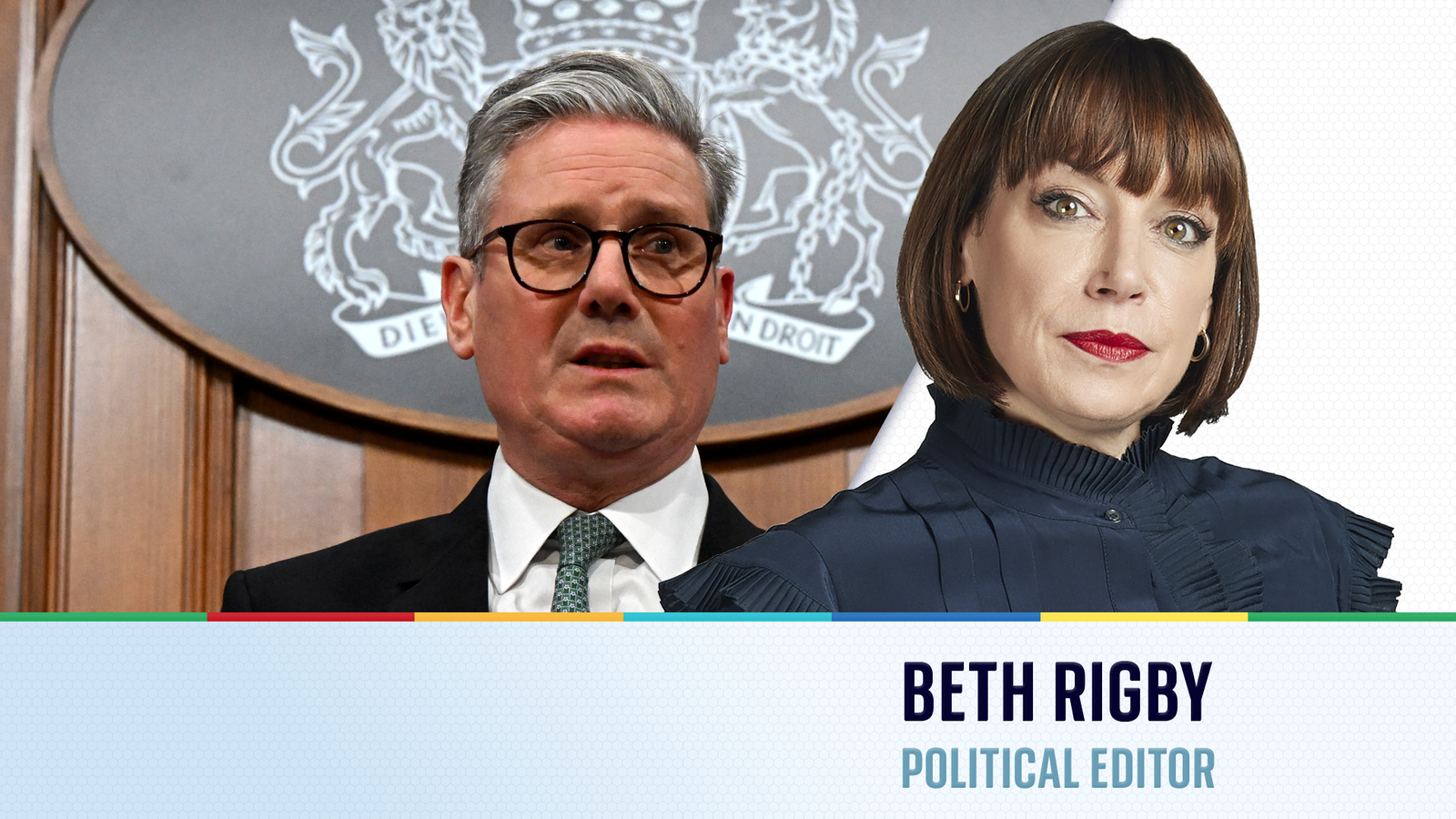
news.sky.comPresident Donald Trump stated Sunday that British Prime Minister Keir Starmer will resign, citing failures on immigration and energy policy. The comments coincide with reports of internal Labour Party pressure and a potential leadership challenge.
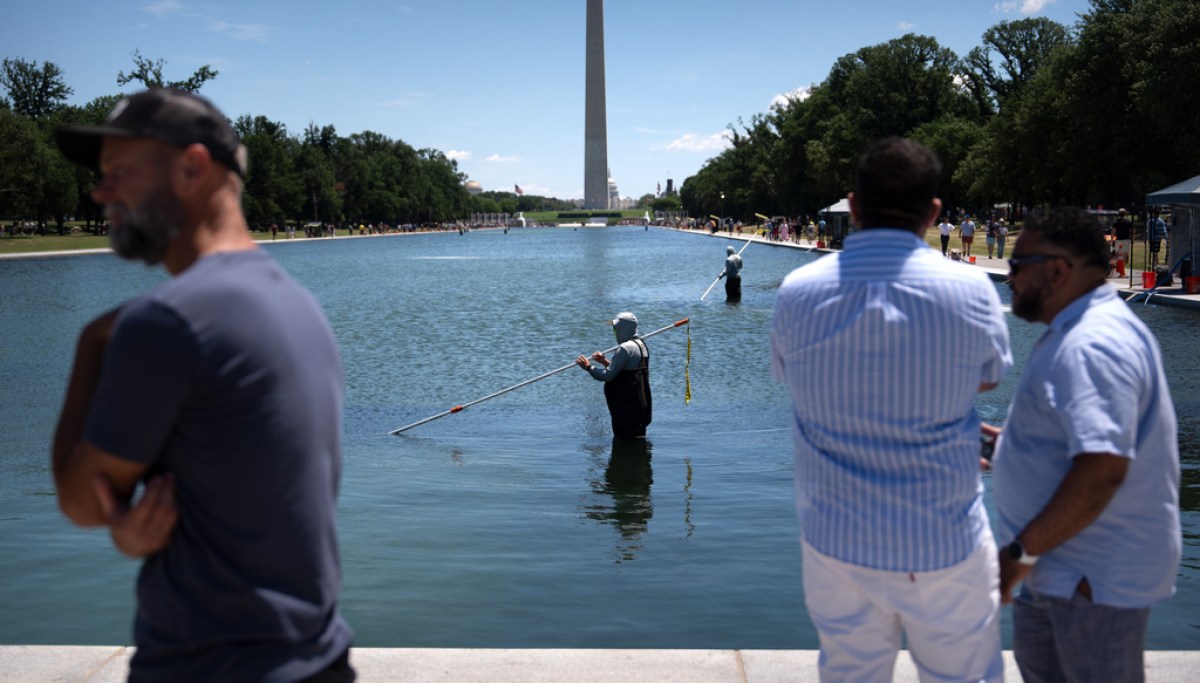
Washington ExaminerOfficials say work will start right away on the Reflecting Pool after recent vandalism and algae growth. The pool was recently repainted at a cost of about $13 million but continues to face peeling paint and green algae.