Meta Licensed Rank One Face Recognition for Smart Glasses App but Kept Systems Inactive for Users
A software license shows Meta acquired face recognition and liveness detection from Rank One Computing for testing in its Meta AI app. The systems were removed on June 5 after remaining dormant in a version downloaded to more than 50 million phones.
 earther.gizmodo.com
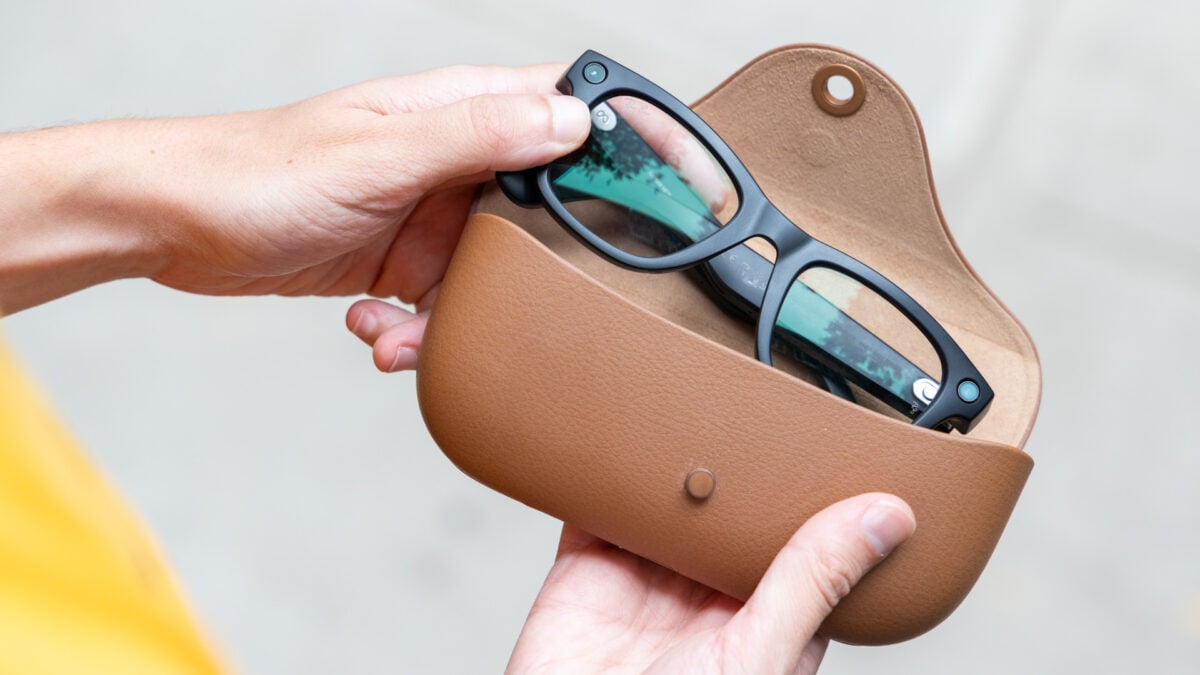
A software license issued by Rank One Computing authorized Meta to use the company's face recognition and liveness detection in a test version of the Meta AI app that powers Ray-Ban and Oakley smart glasses. The license supports up to 10 million facial templates and remains active. Code reviewed by Wired shows remnants of Rank One's integration remained in a version of the app shipped this month.
That version was downloaded to more than 50 million phones. Meta deleted the face-recognition systems from the app entirely on June 5. The deletion occurred a day after Wired revealed that Meta had built an unreleased face-recognition system called NameTag into the Meta AI app.
None of the face-recognition systems tied to the smart glasses were ever active for users. The license is the first known evidence of a business relationship between Meta and Rank One. Meta declined to answer questions about the relationship, when it began, or whether it continues.
Rank One also declined to comment. Rank One is a Denver-based company founded in 2015 by engineers who had built face-recognition systems at the nonprofit research institute Noblis. The company went public on the Nasdaq in February.
It derives roughly 80 percent of its revenue from government clients. The US Marshals Service has used a biometric identification kit built on Rank One's technology since 2021 to confirm prisoners' identities without fingerprinting them during transport. The Naval Criminal Investigative Service purchased the company's video tool ROC Watch.
Rank One developed long-range face recognition for US Special Operations Command under a government research contract, with software that can identify a face from as far as a kilometer away. Police departments across the country use Rank One's algorithms embedded in tools they buy from other vendors.