science
Meteorite from Briny Asteroid Hit New Jersey Home in 2024
Researchers published findings July 15 on a meteorite that fell over New York City the previous year. The rock originated from an asteroid that once held salty water and contained rare organic compounds.
Jul 15, 2:00 PM·1m read1 source
 Science News
Audio version
Tap play to generate a narrated version.
Developing·Limited corroboration so far. This page will refresh as more sources emerge.
A meteorite that streaked over New York City on July 16, 2024, and struck a house in Hillsborough, New Jersey, originated from an asteroid that once contained briny water beneath its surface, Science News reported. Researchers published the analysis July 15 in Science Advances.
The space rock, originally about 53 kilograms, entered the atmosphere at 14 kilometers per second and exploded with energy equal to 1.3 metric tons of TNT.
A 1.35-kilogram fragment crashed through the roof, filling a bedroom with dust and a sulfuric smell. No one was injured. A doorbell camera in Wayne, New Jersey, recorded the descent. The homeowner collected the pieces using gloved hands and aluminum foil, then sealed them in glass jars to limit contamination.
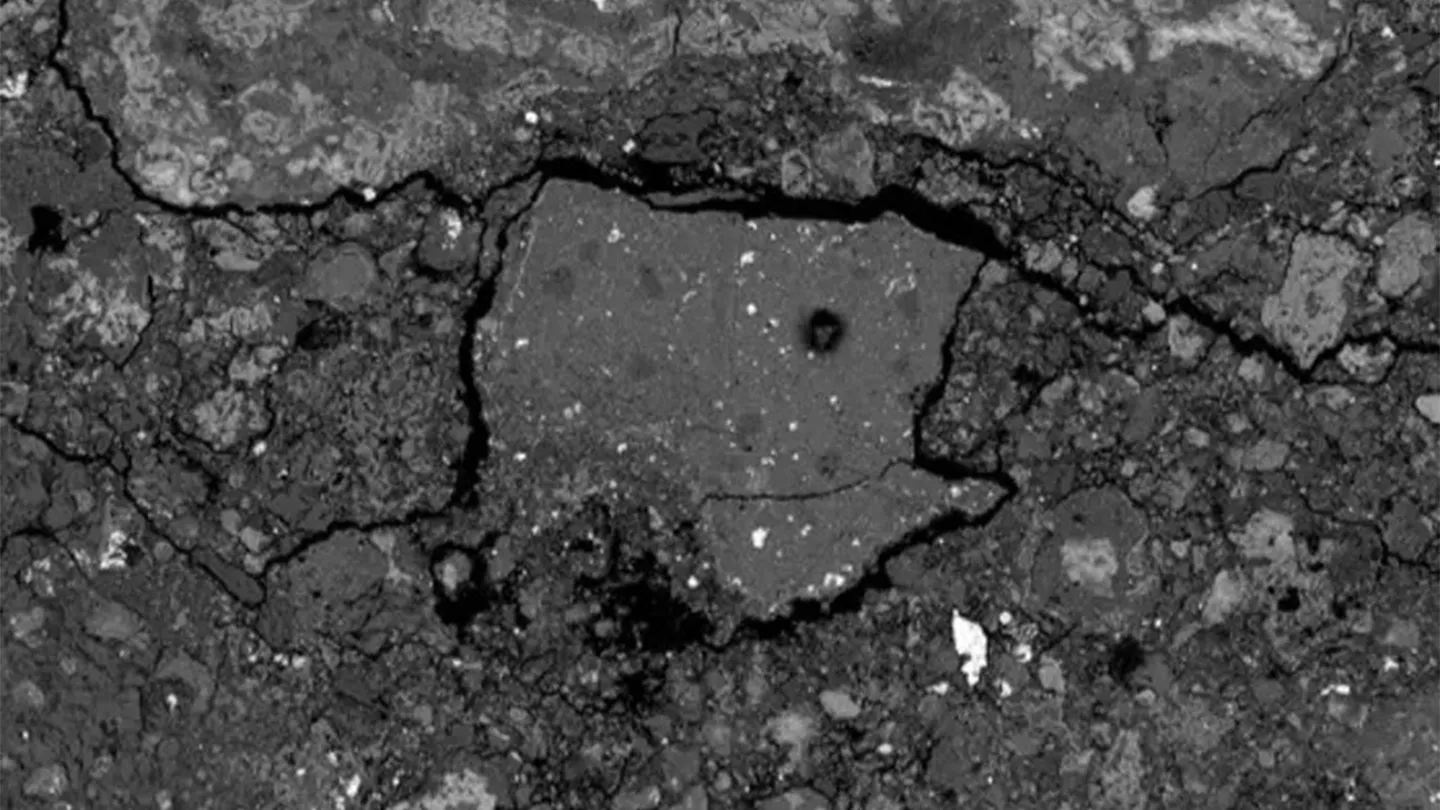
The meteorite is classified as a CM carbonaceous chondrite. It contains sodium-rich fragments and types of amino acids rare on Earth, along with organic matter that likely formed when salty water enabled complex chemistry inside the parent asteroid. ” The meteorite probably came from a protoplanet that formed just outside Jupiter’s orbit.
Its composition suggests it belongs to one type of rock thought to have delivered water and organic material to early Earth.