Substrate
science

New Method Developed for Studying Cellphone-Band Microwaves' Interaction with Human Tissue

Scientists have created a technique to examine how cellphone-band microwaves affect human tissue without generating excessive heat. This addresses limitations in prior methods. The approach also applies to interactions with medical implants and embedded foreign objects.

SC
1 source·Apr 27, 5:40 AM(9 days ago)·1m read
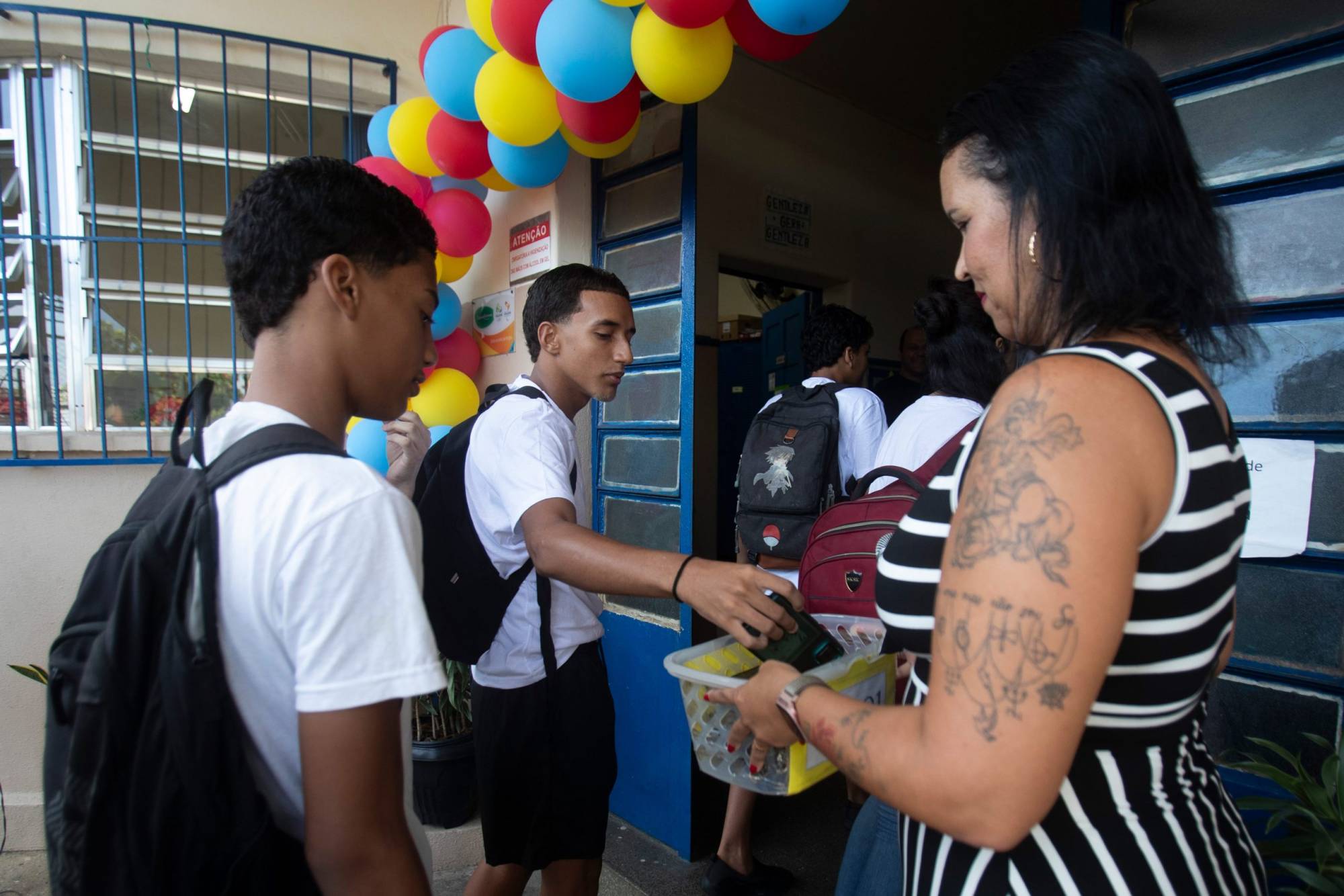
New Method Developed for Studying Cellphone-Band Microwaves' Interaction with Human TissueIAEA Imagebank / Wikimedia (CC BY 2.0)
Audio version
Tap play to generate a narrated version.
Developing·Limited corroboration so far. This page will refresh as more sources emerge.

A new method has been developed to study how cellphone-band microwaves interact with human tissue, @ScienceMagazine reported. This technique avoids generating too much heat, which was a significant issue in previous methods for studying these interactions. Previous methods for studying cellphone-band microwave interactions with human tissue generated too much heat, according to the report.

The new method can be used to examine interactions of cellphone-band microwaves with medical implants. Additionally, the method applies to interactions of cellphone-band microwaves with embedded foreign objects in the body. The new method overcomes the issue of excessive heat generation in previous techniques, potentially enabling safer research in this area.
Key Facts

Development of new method
A new method has been developed to study how cellphone-band microwaves interact with human tissue.
Heat avoidance
The new method avoids generating too much heat, addressing a key limitation of previous methods.
Applications to implants
The method can be used to examine interactions of cellphone-band microwaves with medical implants.
Applications to foreign objects
The method applies to interactions with embedded foreign objects in the body.
Overcoming prior issues
The new method overcomes the issue of excessive heat generation in previous techniques.

Story Timeline

6 events
  1. 2026-04-27

    New method developed to study cellphone-band microwaves' interaction with human tissue, avoiding excessive heat.

    1 source@ScienceMagazine
  2. Recent past

    Previous methods generated too much heat when studying these interactions.

    1 source@ScienceMagazine
  3. Recent past

    Identification of heat generation as a limitation in prior techniques.

    1 source@ScienceMagazine
  4. 2026-04-27

    New method applied to examine interactions with medical implants.

    1 source@ScienceMagazine
  5. 2026-04-27

    New method extended to embedded foreign objects in the body.

    1 source@ScienceMagazine
  6. 2026-04-27

    New method overcomes excessive heat issue in previous techniques.

    1 source@ScienceMagazine

Potential Impact

  1. 01

    Could reduce barriers to studying microwave interactions in biological contexts.

  2. 02

    Could lead to improved understanding of cellphone microwave effects on human health.

  3. 03

    May enhance safety assessments for medical implants exposed to microwaves.

  4. 04

    Potential for broader research on foreign objects in the body without heat-related risks.

  5. 05

    Might influence future guidelines on cellphone usage and medical device design.

Transparency Panel

Sources cross-referenced1
Framing risk0/100 (low)
Confidence score70%
Synthesized bySubstrate AI
Word count105 words
PublishedApr 27, 2026, 5:40 AM
Bias signals removed4 across 4 outlets
Signal Breakdown
Loaded 3Speculative 1

Related Stories

NASA Releases Thousands of Photos from Artemis II Lunar MissionNASA / Harrison H. Schmitt / Wikimedia (Public domain)
science3 hrs ago

NASA Releases Thousands of Photos from Artemis II Lunar Mission

NASA has released over 12,000 images from the Artemis II mission, which orbited the moon in April 2026. The photos capture views of Earth, the lunar surface, and a solar eclipse observed during the crew's return. Astronauts from the mission also visited the United Nations headqua…

Nbc News
UN
The Atlantic
Benzinga
Business Insider
5 sources
Houtman Abrolhos Corals Show High Resilience to 2025 Heatwave, Unlike Global Lossesnewscientist.com
science5 hrs agoDeveloping

Houtman Abrolhos Corals Show High Resilience to 2025 Heatwave, Unlike Global Losses

Coral reefs at the Houtman Abrolhos Islands off Western Australia endured a prolonged heatwave in early 2025 virtually unscathed, unlike widespread global die-offs. Researchers found exceptional heat tolerance across multiple species, with lab tests showing survival rates far exc…

New Scientist
1 source
Three Die in Hantavirus Cases on MV Hondius Cruise Shipdeccanchronicle.com
science13 hrs agoFraming55Framing risk55/100Rewrite largely sticks to facts but inherits mild consensus framing around human-to-human transmission risk and repeatedly centers WHO spokespeople for reassurance.Click to jump to full framing analysis

Three Die in Hantavirus Cases on MV Hondius Cruise Ship

A hantavirus outbreak on the MV Hondius cruise ship has killed three passengers and sickened seven others, prompting an international response coordinated by the World Health Organization. The ship, carrying 147 people from 23 nationalities, is set to sail to Spain's Canary Islan…

Stat
Cbs News
2 sources