science
Michigan Floods Leave Many Rural Homeowners Without Insurance or Risk Data
Record spring rains and snowmelt flooded northern Michigan homes, exposing gaps in federal flood maps and insurance access for thousands of residents. Many property owners had been told they were outside mapped flood zones and could not obtain coverage.
 The Independent
Audio version
Tap play to generate a narrated version.
Developing·Limited corroboration so far. This page will refresh as more sources emerge.
Record April rains falling on record March snow triggered widespread flooding across northern Michigan, damaging homes, stressing dams and washing out roads. Dozens of counties declared states of emergency as water levels on lakes such as Black Lake reached heights not seen in local memory.
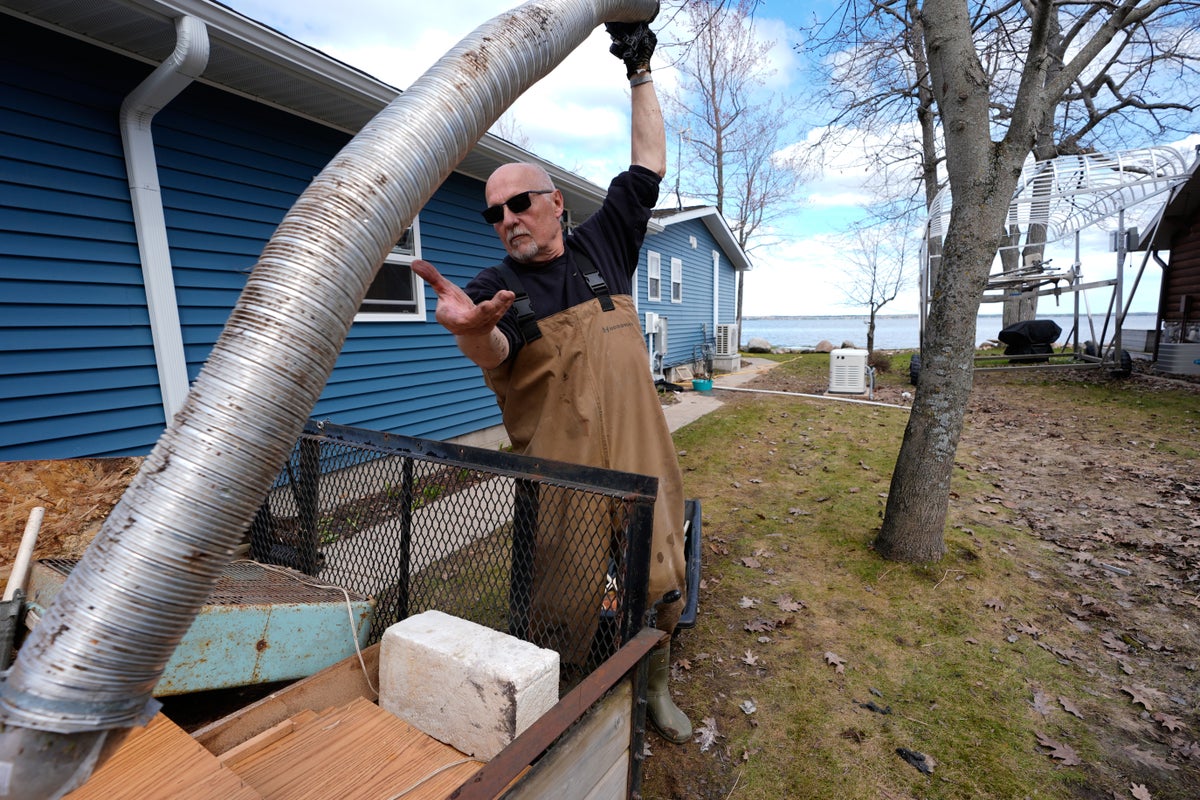
Homeowners who had attempted to purchase flood insurance years earlier were told coverage was unavailable because their properties lay outside designated flood zones. When water entered living spaces, many discovered they had no financial protection and had to remove flooring, drywall and appliances.
The Federal Emergency Management Agency maintains flood-plain maps that determine insurance requirements, yet many rural counties lack any maps. One lake in the affected region straddles two counties, only one of which has a map dating to 2012. FEMA maps focus on overflow from rivers and streams and do not incorporate flooding caused solely by intense rainfall overwhelming drainage systems.
First Street, a climate-risk research firm, produced nationwide models that include rainfall-driven flooding and identified more than twice as many properties at significant risk compared with FEMA data. "I couldn't believe it when we first started building our model how different we were from FEMA," said Jeremy Porter, chief economist at First Street.
Communities must join the National Flood Insurance Program before residents can purchase FEMA-backed policies. Several hundred Michigan communities have never joined, leaving homeowners without an option even when they recognize elevated risk. Diane Peterman said she tried three times to buy insurance after moving to a lakeside retirement home 14 years ago and was repeatedly told she was not in a flood zone.