science
Microplastics Found in Indoor Air with Potential for Annual Inhalation of Millions of Particles
Microplastics are present in the air inside homes, where individuals may inhale millions of these particles each year. Research indicates concentrations of these particles in indoor environments. Certain household adjustments can reduce exposure to microplastics.
 bbc.com
Audio version
Tap play to generate a narrated version.
Microplastics, tiny plastic particles less than 5 millimeters in size, have been detected in the air within residential homes. Studies show that these particles can accumulate in indoor spaces, leading to potential inhalation by occupants. com, people could breathe in millions of microplastics annually in such settings.
Sources of microplastics in homes include synthetic textiles, such as carpets and clothing, which release fibers during everyday activities. Dust accumulation on surfaces and airborne transport from outdoor environments also contribute to indoor concentrations. Ventilation systems and open windows may introduce additional particles from external sources.
Inhalation represents one pathway for microplastic exposure, alongside ingestion through food and water.
While the long-term health effects of inhaling microplastics remain under investigation, researchers note the particles' ability to penetrate respiratory systems. Affected individuals include all household residents, particularly those spending extended time indoors, such as families with children or elderly members.
Regulatory bodies and environmental organizations continue to monitor microplastic pollution globally.
In homes, exposure levels vary based on location, lifestyle, and material use. Ongoing studies aim to quantify risks and inform public health guidelines.
steps can lower microplastic levels in indoor air.
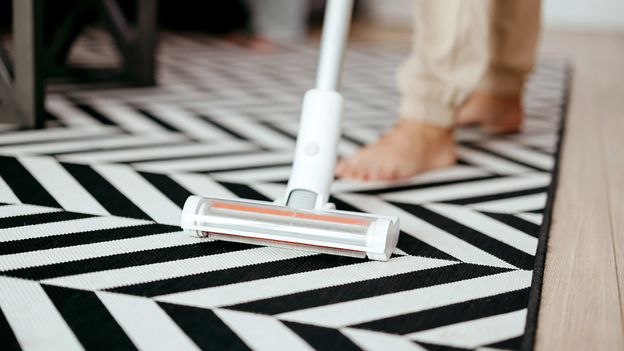
Regular vacuuming with HEPA-filtered cleaners removes settled particles from floors and furniture. Washing synthetic fabrics in cold water and using laundry bags helps minimize fiber release during cleaning. Improving air quality through ventilation and air purifiers equipped with fine-particle filters offers another approach.
Choosing natural fiber materials for furnishings and clothing reduces sources of microplastic shedding. These actions, drawn from environmental guidance, support decreased inhalation without requiring major lifestyle changes. Next steps for individuals involve assessing personal home environments and implementing feasible reductions.