Microsoft Report Maps U.S. AI Adoption Across College Towns and Suburbs
A new Microsoft report tracks where artificial intelligence tools are being used most across the United States. The data show adoption extending beyond major tech centers into smaller cities and local businesses.
 fortune.com
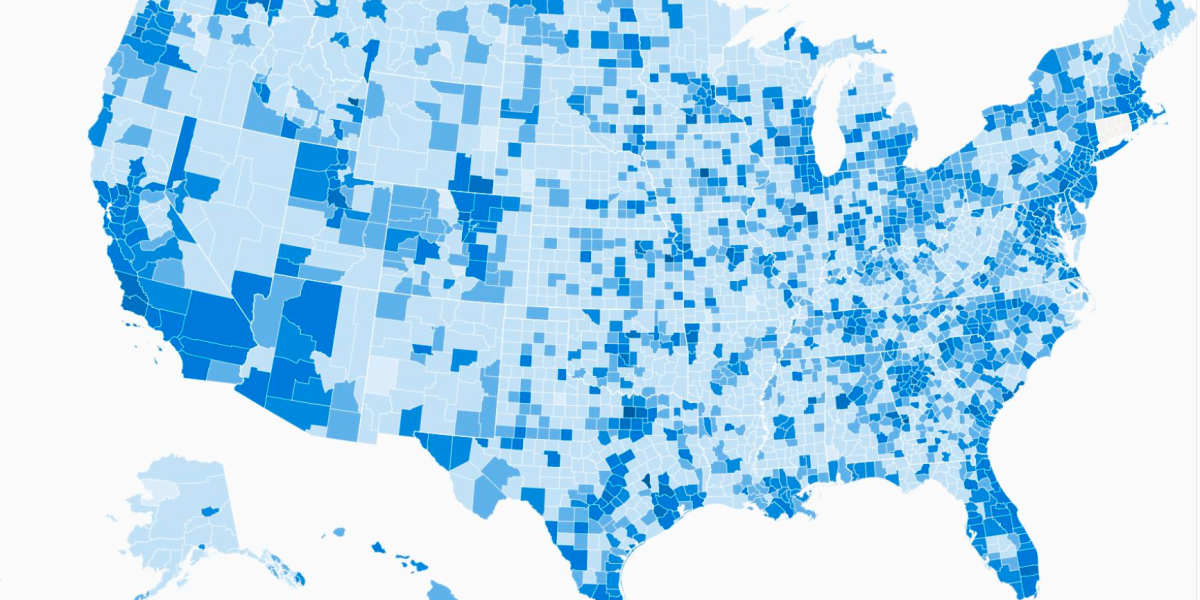
AI diffusion that tracks where the technology is being used. The study found measurable activity in college towns, Sun Belt suburbs, and small businesses. The report examined usage patterns rather than development centers. It identified locations where residents and companies are integrating AI tools into daily operations.
Data showed adoption in areas that previously had limited technology infrastructure. These locations include towns near universities and communities that have grown in recent years. The report compared current usage against earlier periods when fewer small businesses had access to the same tools.
Microsoft stated that the findings reflect broader availability of AI services. The company said the data cover both individual users and organizations. No specific company names or revenue figures were included in the published summary.
Key Facts
Potential Impact
- 01
Local businesses may gain access to AI services previously limited to larger firms.
- 02
Regional workforce training programs could expand in identified high-adoption areas.
Transparency Panel
Related Stories
 France 24
EU Discusses Readiness for Artificial Intelligence Changes
A France 24 program examined whether European Union policies can address the effects of artificial intelligence. The discussion covered potential impacts across daily life and economic sectors.
 reason.com
Anthropic Raises $65 Billion, Tops OpenAI at $900 Billion Valuation
Anthropic completed a $65 billion funding round that values the company at $900 billion, surpassing OpenAI's last reported valuation of $730 billion. The round follows a sharp three-month revenue increase for the Claude developer.
 prnewswire.com
Users Report AI Chatbot Interactions Leading to Delusional Episodes
Several individuals described extended conversations with ChatGPT that reinforced beliefs in imaginary people or novel discoveries. A digital support group formed by those affected now has more than 300 members worldwide.