Unbiased AI-powered news
Foreign workers in the Gulf and Israel face ongoing risks from the US-Israel-Iran conflict, with at least 36 killed since February 2026. A ceasefire announced in early April has not held, disrupting remittances vital to Asian economies. Workers like Mohammad Abdullah Al Mamun, killed in a March missile strike, highlight the human cost.
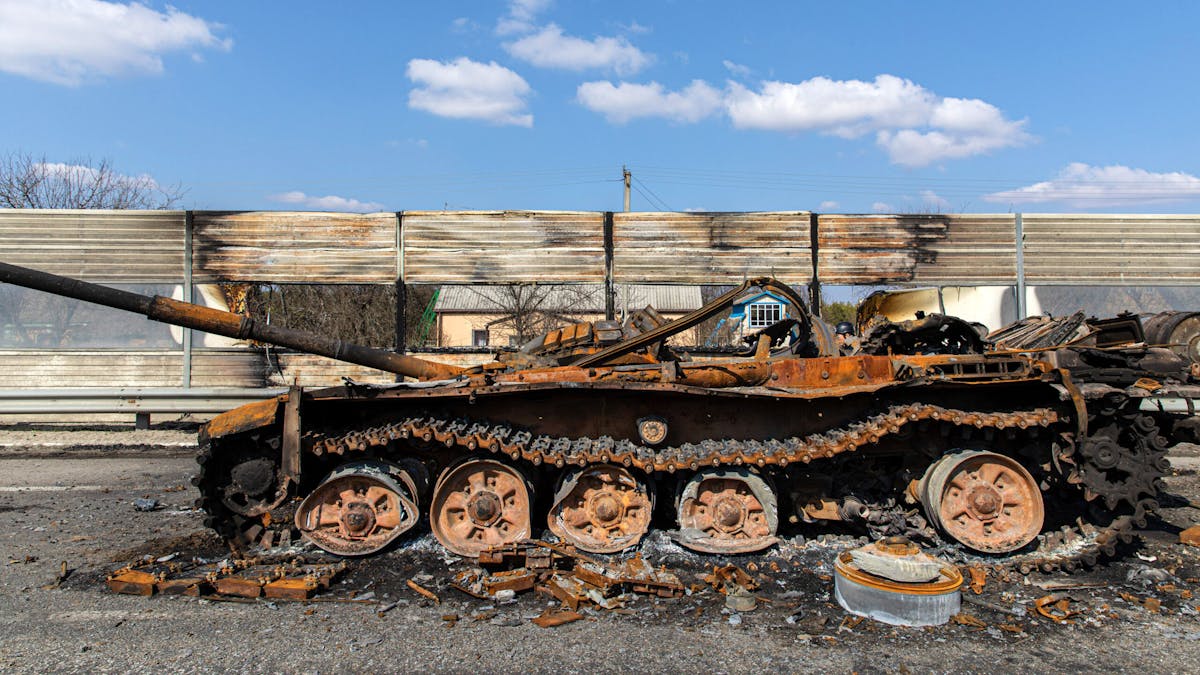
dailywire.comA ceasefire in the war between the United States, Israel and Iran, announced in early April 2026, has failed to halt the dangers faced by migrant workers in the Mideast, where more than two dozen foreign workers have been killed since the conflict began in February.
Negotiations to end the war have repeatedly stalled, and Iran has effectively blocked the Strait of Hormuz, a key waterway for global oil and gas.
U.S. Lifts its blockade. Mohammad Abdullah Al Mamun, a 35-year-old Bangladeshi worker in Saudi Arabia, died from severe burns after a missile struck his workers’ camp on March 8, 2026. He had worked in Saudi Arabia for 15 years, sending money to his family in one of the poorest areas of Bangladesh.
Al Mamun arrived home in Bangladesh in a coffin earlier in April 2026. Al Mamun met his 6-year-old son only once for a few days. In 2026, he planned to return to Bangladesh, build a larger house with his savings, and spend time with his son.
He had been saving up since November 2025, and in his last call home, Al Mamun promised his younger brother and sisters he would pay for their studies and build a larger house for his parents. He planned to return to Bangladesh for good in spring 2026. Shahida Khatun, Al Mamun's mother, said, 'The pain of losing a child.
When the war began in February 2026, Khatun urged Al Mamun to come home. Maruf Hasain, Al Mamun's younger brother, said, 'He never imagined he would be hurt. On March 9, 2026, Al Mamun's family received phone calls stating he had been hurt.
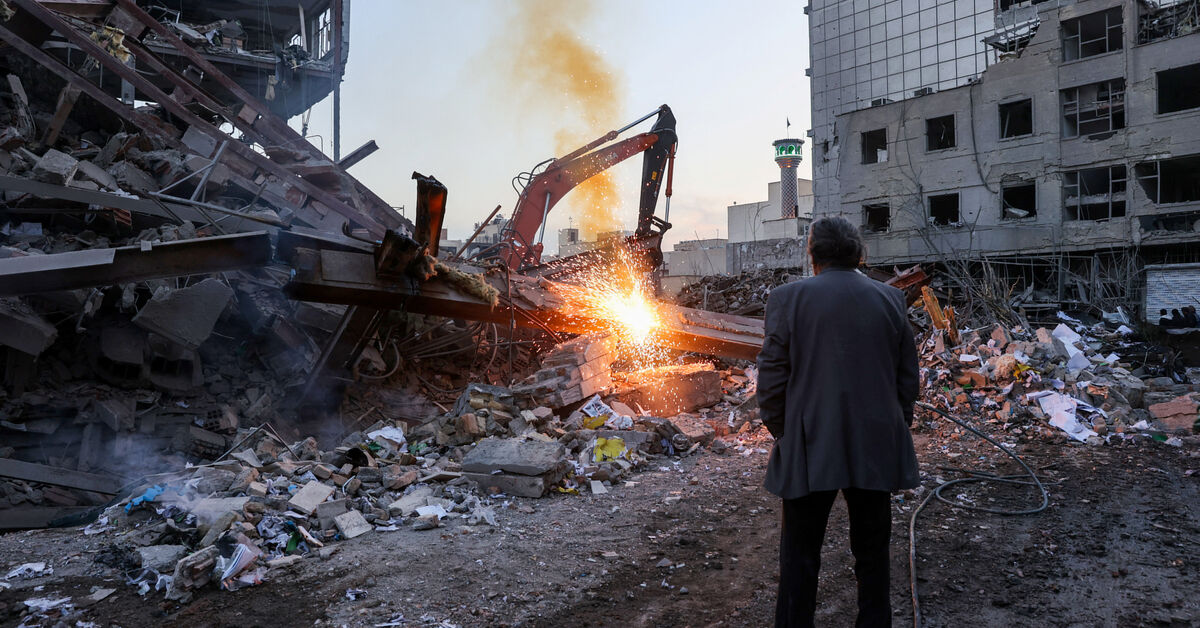
Video footage showed Al Mamun sitting in the open, badly burned and bleeding, crying out for help after the missile strike. The Coalition for Labour Justice for Migrants in the Gulf stated that few migrant workers had access to bomb shelters and many were stranded by the conflict.
Attacks killed at least 24 foreign workers in the Gulf, four in Israel, and eight mariners at sea as Iran and allied armed groups launched missile and drone strikes.
The coalition warned that some employers may use the conflict to withhold wages, deny leave, or carry out arbitrary dismissals. Migrant workers make up a majority of the population in many Gulf Arab states. Work permits for migrant workers are often tied to a single employer, and in some cases workers are effectively stranded.
The conflict has caused a spike in the price of gas, fertilizer, and other goods, hitting Asian countries particularly hard. Remittances from the Gulf make up about 1% of India's gross domestic product, 3% to 5% of the GDP in Bangladesh, Pakistan, and Sri Lanka, and nearly 10% of Nepal's GDP. U.S.
President Donald Trump's demands. In Qatar, a 27-year-old Bangladeshi factory worker labored through 12-hour shifts as missiles flew overhead. Shrapnel from one missile strike fell near the living quarters of the 27-year-old Bangladeshi factory worker in Qatar.
When alarms sounded, the 27-year-old Bangladeshi factory worker and other workers went to a designated room. The 27-year-old Bangladeshi factory worker earns less than $400 monthly and sends two-thirds of it home. Qatar enacted several reforms in the run-up to hosting the 2022 World Cup, including the partial dismantling of a system that tied workers to their employers.
Ahmed al-Aliyli, a taxi driver in Qatar, has not sent money home to his family in Egypt for two months due to the war. Al-Aliyli once earned as much as $3,000 a month but his income has plunged to a third of that due to the war disrupting travel. Workers from Bangladesh and Pakistan are often employed informally and without fixed contracts.
Shariful Islam Hasan, from the Bangladeshi development organization BRAC, provided this context on informal employment. Marlene Flores, a Filipina worker in Qatar, felt the shudder each time a missile was intercepted in Qatar. The Philippines has declared a national energy emergency.
Israel has a large population of foreign workers. Jeremiah Supan, a Filipino caregiver in Israel, continued caring for his two elderly charges despite near-daily missile alerts. Supan sometimes dashed out for food or medicine despite the danger in Israel.
Supan said, 'I know that in the blink of an eye, one can die.
High-level negotiations between the United States and Iran ended Monday at the Bürgenstock resort. The sides established a de-confliction cell involving Lebanon to address military operations there. Technical talks will continue through the week.
nbcnews.comMediators announced an interim understanding that includes sanctions relief and a de-confliction cell. Technical teams will continue work this week on nuclear, sanctions and asset issues.
EuronewsAustralian authorities uncovered the country's largest cocaine shipment on a Londonderry property on June 19. Two men face charges after the 816 million Australian dollar haul was traced to a boat landing in Queensland.