Substrate
world

Moderna Collaborates on Preclinical mRNA Hantavirus Vaccine in South Korea

Newsweek reported that Moderna is involved in early-stage development of an mRNA vaccine targeting hantaviruses causing hemorrhagic fever with renal syndrome. The preclinical project, announced in 2024 by Korea University’s Vaccine Innovation Center, focuses on Asian strains and is not connected to U.S. vaccination programs.
Newsweek
globalresearch.ca
2 sources·May 7, 6:51 PM(4 hrs ago)·2m read
|
Moderna Collaborates on Preclinical mRNA Hantavirus Vaccine in South Koreabenzinga.com
Audio version
Tap play to generate a narrated version.
Developing·Limited corroboration so far. This page will refresh as more sources emerge.

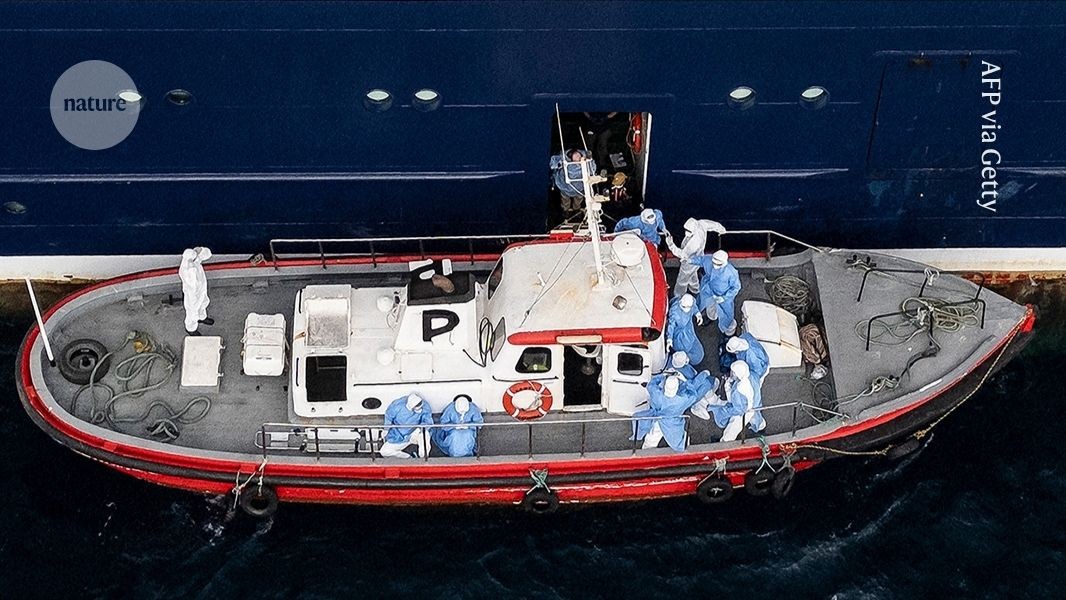
Newsweek reported that claims have circulated on social media that Moderna is developing an mRNA vaccine for hantavirus. The discussion increased after reports of hantavirus cases linked to the Dutch cruise ship MV Hondius. Three passengers from the ship have died and one remains in intensive care in a South African hospital, according to the Associated Press.

Health authorities have confirmed the outbreak involves the Andes hantavirus strain, the World Health Organization said. The company has been involved since 2024 in a preclinical research collaboration based in South Korea. The project centers on hantaviruses that cause hemorrhagic fever with renal syndrome, a form of the illness primarily found in East Asia and parts of Europe.

South Korea reports 300 to 400 such cases each year, often among military personnel and people in rural areas. Hantavirus refers to a family of related viruses with different strains circulating in Asia, Europe and the Americas. Vaccines for one strain may not protect against others.

Researchers have worked on hantavirus vaccines for decades. An infectious disease expert at Stony Brook Medicine in New York told Newsweek that earlier candidates were less effective against some European strains while the current effort is designed to provide broader protection across multiple strains.

The research does not focus on the Sin Nombre virus, the strain most commonly linked to cases in the United States that cause hantavirus pulmonary syndrome. U.S. hantavirus infections remain rare and no approved vaccine is available for use in the country.

The company's role is limited to providing mRNA materials and technical support under its mRNA Access Program. This program assists researchers in other countries exploring vaccines for emerging or neglected infectious diseases. The vaccine candidates remain preclinical and have not entered human trials.

They face significant funding and regulatory requirements before any further development could occur.

Greene wrote on X that the effort involves manipulating a virus and then creating a vaccine for profit. Other conservative commentators made similar statements linking the research to broader vaccine skepticism following the COVID-19 pandemic. One podcast host wrote on X that the company showed foresight by beginning work on a hantavirus vaccine two years ago.

A former U.S. Senate candidate from Utah suggested on X that the cruise ship reports and vaccine development followed a familiar pattern.

Routine and exploratory biomedical research has sometimes been presented since the COVID-19 pandemic as evidence of government overreach. The hantavirus project is a collaboration based in South Korea and is not part of any U.S. vaccination program. The company did not immediately respond to a request for comment.

Key Facts

Preclinical collaboration
Moderna provides mRNA materials for South Korea hantavirus project
Three passenger deaths
Linked to Andes hantavirus on MV Hondius cruise ship
HFRS focus
Targets hemorrhagic fever with renal syndrome in East Asia
No U.S. connection
Research not tied to American strains or vaccination programs
300-400 annual cases
Reported in South Korea for HFRS

Story Timeline

3 events
  1. 2024

    Korea University’s Vaccine Innovation Center announced Moderna’s involvement in early-stage hantavirus vaccine development.

    1 sourceNewsweek
  2. 2026-05-07

    Reports emerged of hantavirus cases on the Dutch cruise ship MV Hondius with three passenger deaths.

    1 sourceNewsweek
  3. 2026-05-07

    Social media posts by former Representative Marjorie Taylor Greene and others linked the research to conspiracy claims.

    1 sourceNewsweek

Potential Impact

  1. 01

    Preclinical hantavirus candidates remain years from potential regulatory approval or use.

  2. 02

    Increased online discussion of vaccine development may affect public confidence in health research.

  3. 03

    Cruise ship outbreak may prompt additional health monitoring by maritime authorities.

  4. 04

    The mRNA Access Program continues to support international researchers on neglected diseases.

Transparency Panel

Sources cross-referenced2
Confidence score75%
Synthesized bySubstrate AI
Word count441 words
PublishedMay 7, 2026, 6:51 PM
Bias signals removed4 across 2 outlets
Signal Breakdown
Loaded 2Framing 1Speculative 1

Related Stories

What Happened in Queensland: 323 Live-Virus Vials, a Broken Freezer, and a Year of Missing Paperworkabc.net.au (News photo)
world2 hrs agoSourced

What Happened in Queensland: 323 Live-Virus Vials, a Broken Freezer, and a Year of Missing Paperwork

Standalone explainer on the Queensland Public Health Virology Laboratory disclosure: 323 missing vials including hantavirus, Hendra, and lyssavirus. What investigators have established, what they have not, and how it relates to the MV Hondius outbreak.

ABC News Australia
Queensland Health
Newsweek
RNZ News
Fox News
+5
10 sources
**U.S. Approves $17 Billion Missile Sale to Kuwait, UAE and Bahrain**azernews.az
world53 min agoDeveloping

**U.S. Approves $17 Billion Missile Sale to Kuwait, UAE and Bahrain**

The United States is proceeding with the sale of thousands of Patriot missiles valued at $17 billion to Kuwait, the United Arab Emirates and Bahrain. The transfers come as American and partner air defense stockpiles have been heavily depleted by the Iran war, with production rate…

MA
The New York Times
2 sources
Mexico City Sinks Up to 2cm a Month as NASA Satellite Tracks Subsidencenasa.gov
world53 min ago

Mexico City Sinks Up to 2cm a Month as NASA Satellite Tracks Subsidence

NASA's NISAR satellite has produced detailed radar maps showing parts of Mexico City, including its main airport, are subsiding by more than 2 centimetres per month. The phenomenon, caused by groundwater extraction from the ancient lake bed beneath the capital, has tilted histori…

PO
BBC News
The Guardian
3 sources