Moody’s Upgrades Thailand’s Credit Outlook to Stable, Affirms Baa1 Rating
Moody’s Ratings has upgraded Thailand’s credit outlook to stable from negative, citing easing risks from U.S. tariffs and improved domestic investment. The agency affirmed the sovereign rating at Baa1. This change occurred as of April 21, 2026, placing Thailand in the investment-grade category.
 Substrate placeholder — needs review
Moody’s Ratings upgraded Thailand’s credit outlook to stable from negative on April 21, 2026. The agency affirmed the sovereign rating at Baa1. @business reported the development, noting it reflects a balanced view of Thailand’s credit risks in the near term.
Tariffs as a reason for the outlook change. The agency also pointed to improved domestic investment momentum as a contributing factor. These elements reduced concerns over potential economic impacts and highlighted stronger trends supporting stability.
The stable outlook indicates a balanced view of Thailand’s credit risks in the near term. The affirmed Baa1 rating places Thailand in the investment-grade category. U.S. tariffs and stronger domestic investment trends.
Key Facts
Story Timeline
4 events- 2026-04-21
Moody’s Ratings upgraded Thailand’s credit outlook to stable from negative and affirmed the Baa1 rating.
1 source@business - 2026-04-21
Moody’s cited easing downside risks from U.S. tariffs as a reason for the change.
1 source@business - 2026-04-21
Moody’s cited improved domestic investment momentum as a reason for the outlook change.
1 source@business - Recent (pre-2026-04-21)
Previous negative outlook indicated higher downside risks for Thailand’s credit.
1 source@business
Potential Impact
- 01
Potential increase in investor confidence in Thailand’s economy due to stable outlook.
- 02
Eased concerns over U.S. tariffs may support continued domestic investment growth.
- 03
Possible reduction in borrowing costs for Thailand given investment-grade status.
Transparency Panel
Related Stories
 ibtimes.com
SEC Chair Paul Atkins Says Congress Will Pass Crypto Legislation
SEC Chair Paul Atkins stated he is confident Congress will pass crypto market structure legislation. He added that President Trump will sign the bill into law.
 al-monitor.com
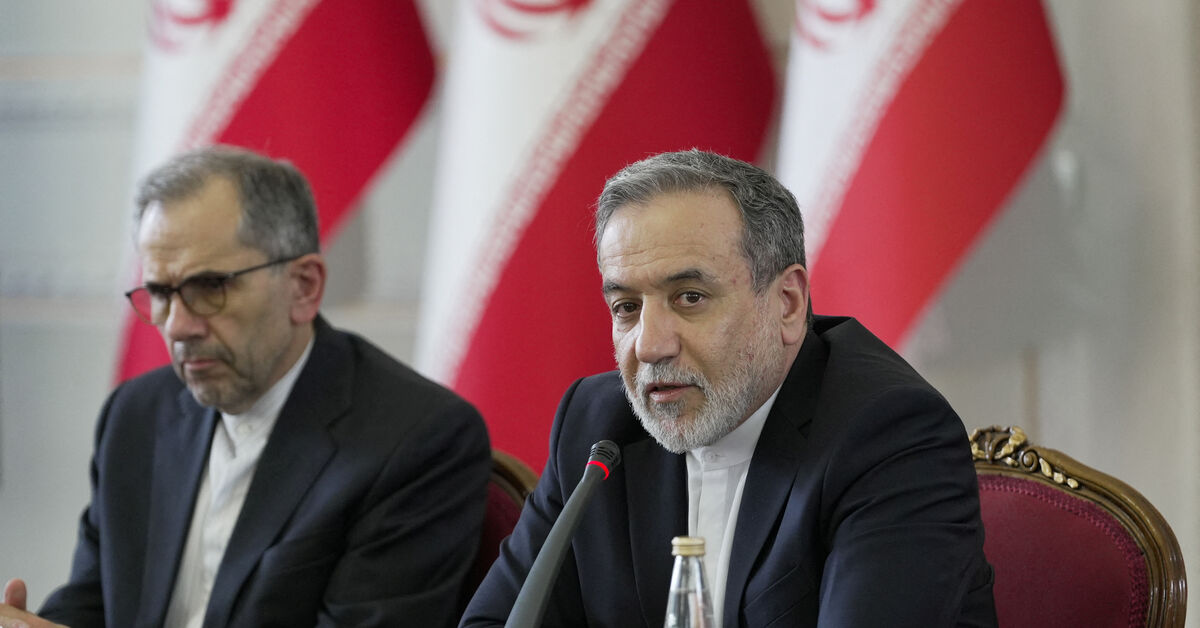
Iran Says Strait of Hormuz Management Belongs to Iran and Oman
Iran's Foreign Ministry spokesperson stated that control of the Strait of Hormuz must be decided solely by Iran and Oman. The spokesperson also said no agreement has been reached with the United States and that current focus remains on ending the war.
 cnbc.com
Fed Official Highlights Regulatory Barriers to AI Productivity Gains
A Federal Reserve official stated that productivity growth remains key to economic expansion and that regulatory hurdles are the main obstacle to sustained gains from artificial intelligence.