world
Muslim Pilgrims Gather on Mount Arafat for Hajj Peak
Hundreds of thousands of Muslim pilgrims assembled on Mount Arafat in Saudi Arabia on Tuesday for the Day of Arafah, the spiritual high point of the annual Hajj pilgrimage. The gathering marks the second official day of the multi-day ritual, one of the five pillars of Islam.
May 26, 6:56 AM·1m read3 sources MA
MA
 Abc News
Audio version
Tap play to generate a narrated version.
Developing·Limited corroboration so far. This page will refresh as more sources emerge.
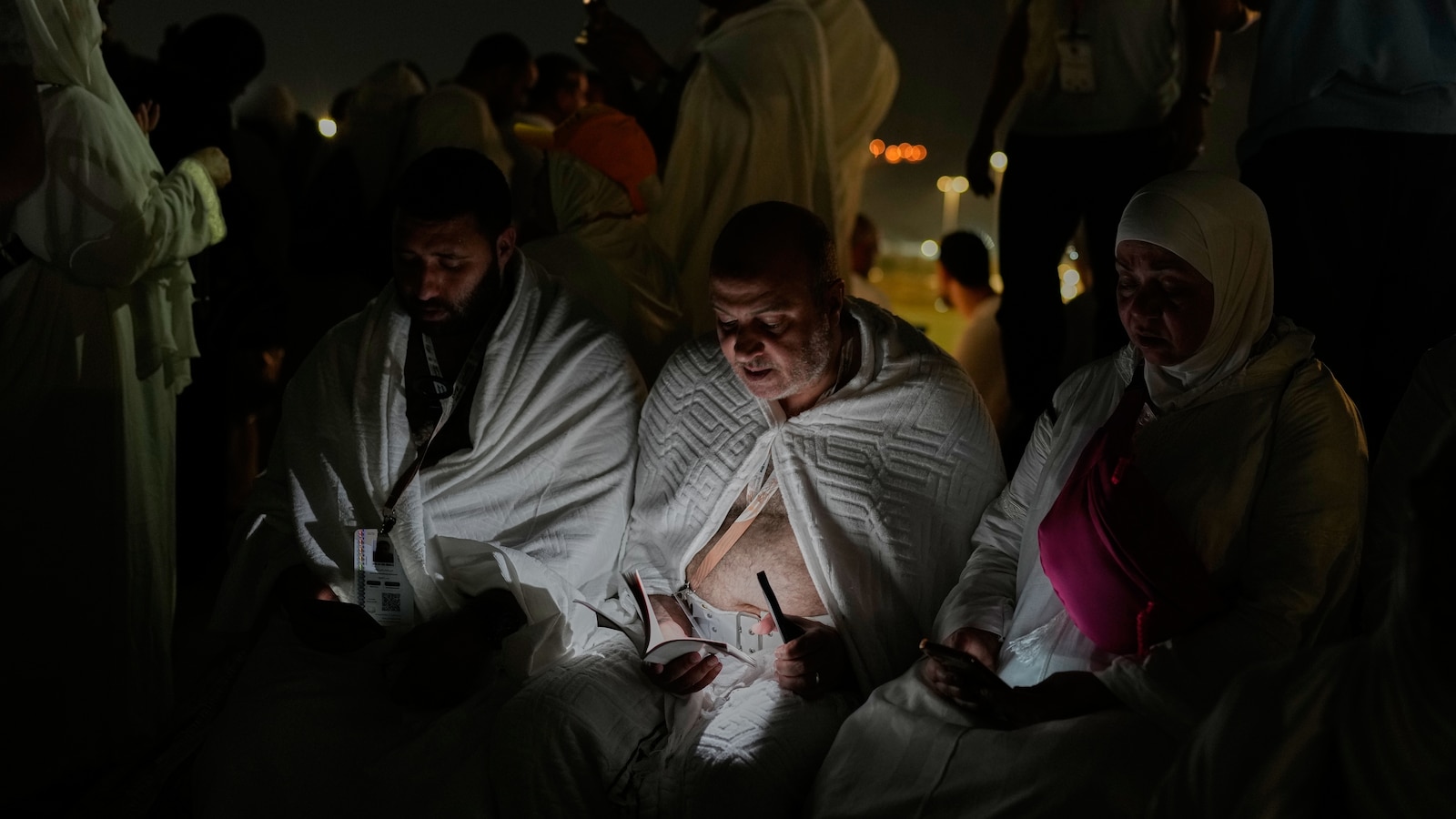
Muslim pilgrims from around the world gathered on Mount Arafat in Saudi Arabia on Tuesday for the Day of Arafah, the most spiritually significant day of the annual Hajj pilgrimage. Pilgrims stood on the rocky hill and surrounding plains, raising their hands in prayer and murmuring supplications for forgiveness, mercy, blessings and good health.
Many wept as they performed the intense worship that marks the spiritual peak of Hajj.
Hajj is required once in a lifetime for every Muslim who is physically and financially able. The pilgrimage spans several days and is considered a chance to seek the erasure of past sins. This year’s observance occurs against the backdrop of a tenuous ceasefire in the Iran war and related regional uncertainty, according to the Associated Press.
Muslim pilgrims are gathered near Mount Arafat today for the Day of Arafah, the spiritual peak of Hajj, one social media account reported. , though the AP remains solely responsible for the content.
Transparency
How sources framed this
These outlets didn't split into competing frames — coverage was uniform.
CorroborationModerate · 3 sources