world
NASA Black Marble Data Shows Both Brightening and Dimming Across the Globe from 2014-2022
New NASA analysis of Black Marble data shows radiance increased 34 percent while dimming offset it by 18 percent, with both trends intensifying over the decade. Researchers found distinct regional patterns across the United States, China, India and Europe instead of a uniform global increase. The study was published in Nature.
May 15, 11:36 AM·2m read1 source
 app.buzzsumo.com
Audio version
Tap play to generate a narrated version.
Developing·Limited corroboration so far. This page will refresh as more sources emerge.
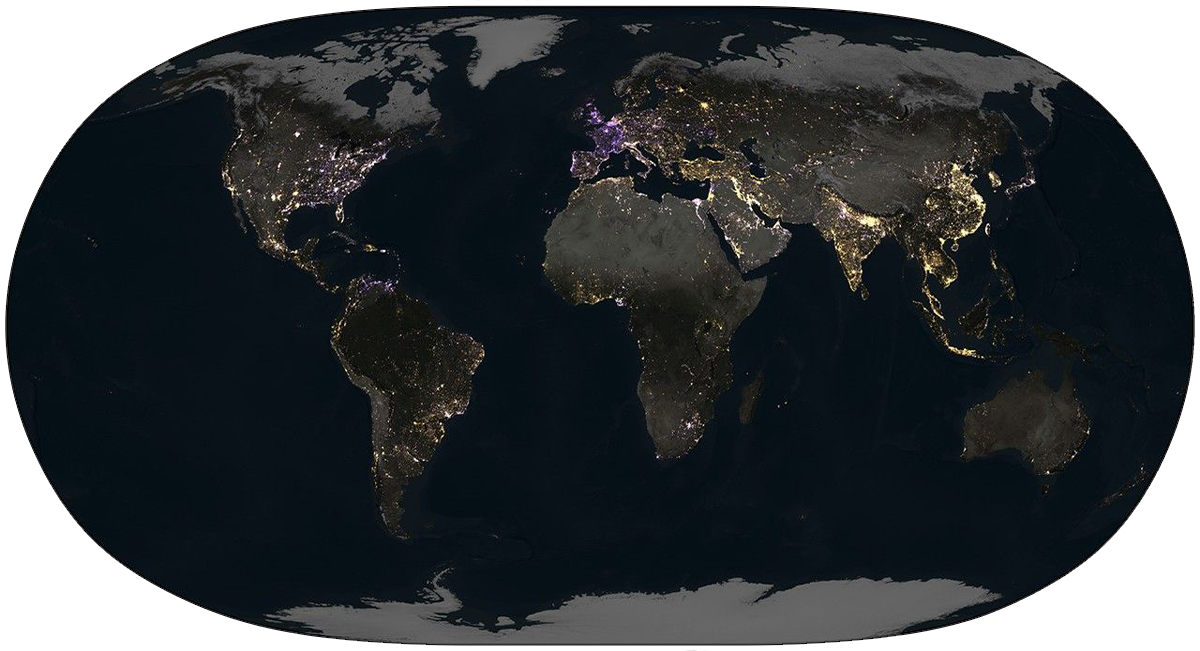
NASA has created new maps showing changes in artificial light at night using data from its Black Marble program. The maps reveal much more nuanced patterns of light radiance than anticipated, according to CBS News. Researchers expected to find a gradual increase in artificial light at night.
Instead, the analysis portrays a world flickering with industrial booms and busts, construction, and blackouts, as well as more gradual shifts such as policy-driven retrofits, NASA said. The Black Marble program uses a specialized sensor to capture low-light imagery of Earth at night. Data for the maps was collected by three different satellites between 2014 and 2022.
Each location examined underwent several distinct shifts over the nine years of data collection. During that time, radiance increased 34 percent while dimming offset it by 18 percent. Both lighting and dimming markedly intensified over the past decade.
The study was published in the academic journal Nature. "This evidence of increasing volatility in human night-time activity provides an important dynamic dimension for understanding urban evolution, energy transitions, policy impacts and ecological consequences of rapidly changing illuminated nights," the researchers wrote.
West Coast cities in the United States grew brighter as populations increased.
On the East Coast of the United States there was more dimming attributed to the use of energy-efficient lightbulbs and broader economic restructuring. Nights grew brighter in China and northern India as urban development expanded. Throughout Europe there was a pattern of dimming likely caused by energy conservation measures.