science
NASA Tests Mars Helicopter Rotors Past Speed of Sound
NASA engineers tested larger rotor blades for future Mars aircraft and reached speeds above Mach 1 in a simulated Martian atmosphere. The tests produced about 30 percent more lift than previous designs. Data analysis is ongoing.
May 21, 4:31 PM·1m read1 source
 app.buzzsumo.com
Audio version
Tap play to generate a narrated version.
NASA engineers tested experimental rotor blades for future Mars helicopters and reached speeds above the speed of sound in a controlled chamber that simulated the planet's thin atmosphere. The tests were conducted by NASA's Jet Propulsion Laboratory and AeroVironment. 05.
Ingenuity's carbon-fiber blades spun at roughly 2,700 rpm during its 72 flights on Mars. 7 to avoid supersonic conditions. The new blades were designed for greater performance. NASA lined parts of the test chamber with sheet metal because survival of the blades was uncertain.
"If Chuck Yeager were here, he'd tell you things can get squirrely around Mach 1," NASA rotor test lead Jaakko Karras said.
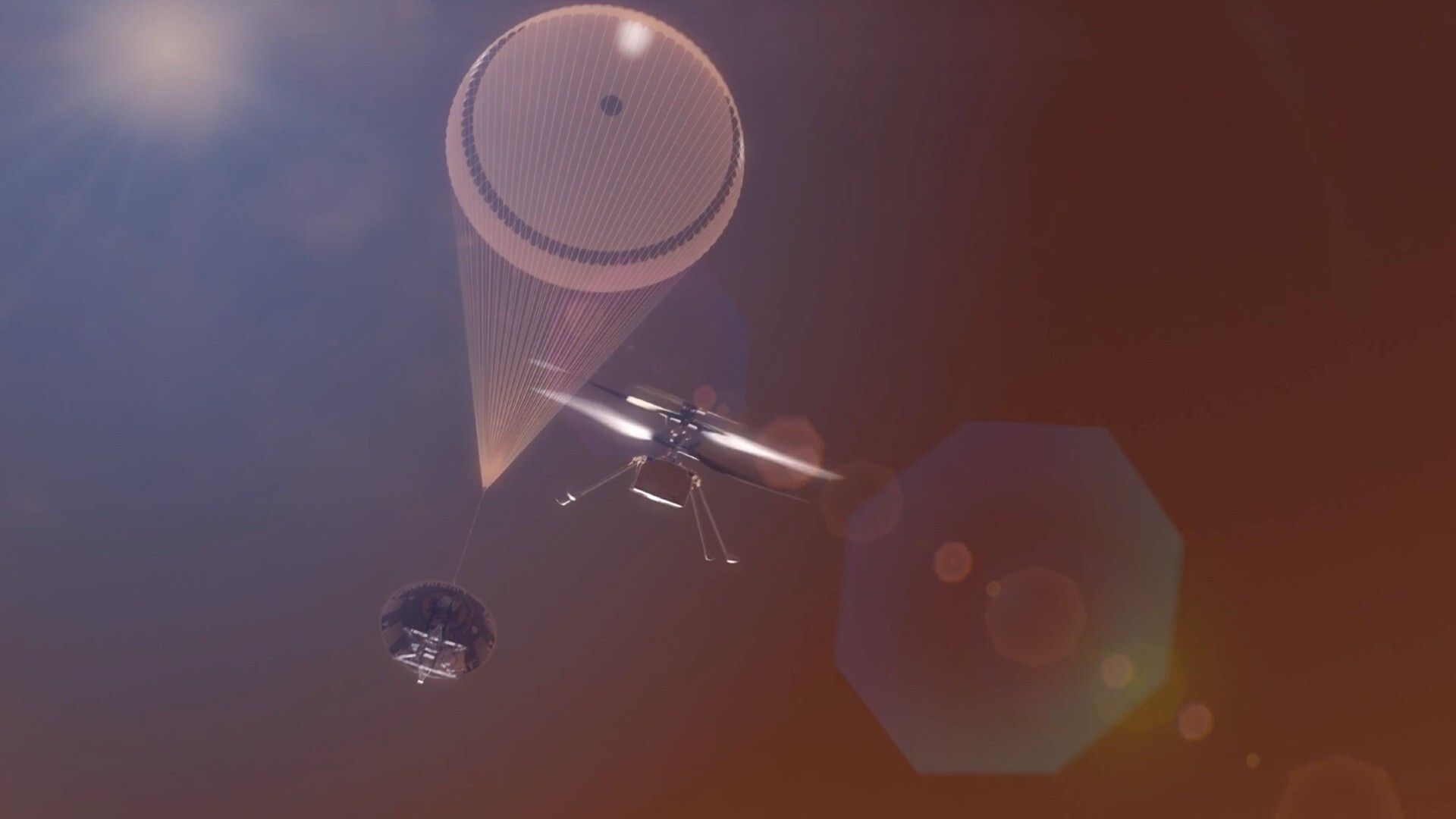
The higher speeds generated roughly 30 percent more lift. NASA said this could allow future helicopters to carry larger batteries and heavier scientific instruments. The blades are intended for the proposed SkyFall Mars mission, which could launch as soon as 2028.
NASA plans to send three helicopters capable of carrying heavier payloads than Ingenuity. NASA Ames Research Center aerodynamicist Shannah Withrow-Maser said researchers are still analyzing the data and believe additional thrust gains may be possible.
"These next-gen helicopters are going to be amazing," she said. Future Mars helicopters are expected to operate more independently than Ingenuity and may communicate directly with Earth or through orbiting satellites.