Substrate
world

Nasal Spray Developed to Protect Brain Cells Immediately After Stroke

Scientists in Hong Kong created a nasal spray that delivers brain-protective drugs directly to the brain within minutes of a stroke. The spray bypasses the blood-brain barrier and reduced brain tissue death by over 80 percent when given within 30 minutes in tests. Current stroke treatments begin only after hospital arrival, leaving more than 85 percent of patients unable to receive timely care.

The Independent
1 source·May 11, 8:50 AM(18 days ago)·2m read
|
Nasal Spray Developed to Protect Brain Cells Immediately After StrokeThe Independent
Audio version
Tap play to generate a narrated version.
Developing·Limited corroboration so far. This page will refresh as more sources emerge.

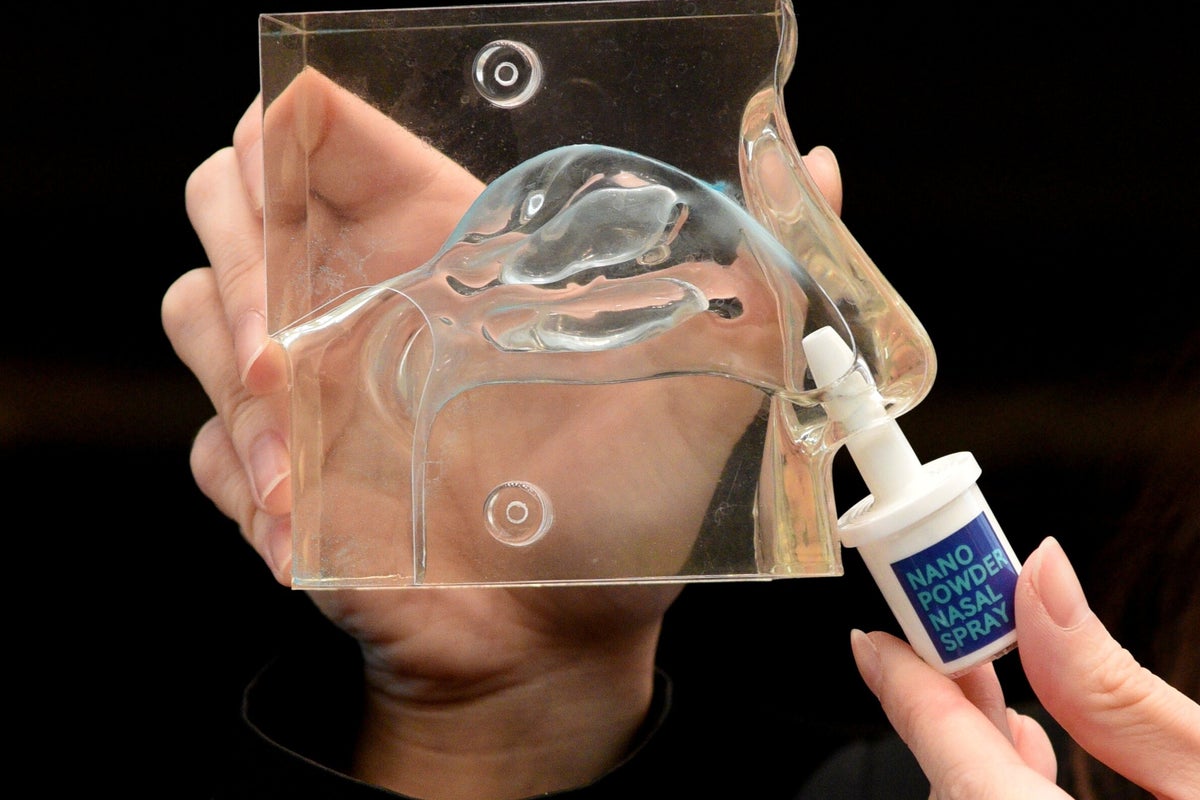
Scientists in Hong Kong have developed a nasal spray designed to protect brain cells immediately after a stroke occurs. The spray uses ultra-small inhalable powders containing brain-protective drugs that are inhaled into the nasal cavity. These powders separate into nanoparticles that travel along the nose-to-brain pathway, delivering the drug directly to the brain while bypassing the blood-brain barrier.

Stroke remains one of the leading causes of death and disability worldwide. It imposes an annual economic burden exceeding $890 billion on healthcare systems. Existing treatments, which include clot-breaking drugs and therapies to restore blood flow, can begin only after a patient reaches a hospital.

More than 85 percent of patients cannot receive these interventions in time because the window for effective treatment is narrow. Many drug candidates targeting the central nervous system fail in clinical trials because they cannot cross the blood-brain barrier.

The failure rate of such drug candidates exceeds 90 percent, largely because the drugs cannot reach the brain to exert therapeutic effects. The new nasal spray is intended to provide protection while patients are en route to medical facilities. Tests showed that administering the spray within 30 minutes of stroke onset reduced brain tissue death by over 80 percent.

It also helped preserve neurological functions and body movement. The spray mitigates inflammation, prevents cell death and maintains the integrity of the blood-brain barrier. This approach could extend the time available for subsequent hospital-based treatments.


Researchers described the spray as a potential breakthrough for prehospital emergency care. "After a stroke, every second matters," a postdoctoral fellow at Hong Kong University said. " The technology shifts the focus of stroke treatment from the in-hospital setting to the prehospital stage.

It emphasizes neuroprotection in addition to clot dissolution or mechanical clot removal.

The nasal spray, referred to as Nanopowder, was created by researchers at Hong Kong University. It deposits in the target area of the nasal cavity and converts into nanoparticles that follow a direct pathway to the brain. This delivery method avoids the limitations that prevent many intravenous drugs from reaching affected brain tissue.

Current standard care begins after hospital admission. The spray is designed to slow brain cell death during transport, buying time for definitive treatments once the patient arrives.

Key Facts

Nasal spray
delivers drugs via nose-to-brain pathway
Brain tissue death
reduced by over 80% if given within 30 minutes
Stroke treatment window
over 85% of patients miss timely care
CNS drug failure rate
exceeds 90% due to blood-brain barrier
Annual stroke burden
exceeds $890 billion globally

Story Timeline

2 events
  1. 2026

    Hong Kong researchers developed and tested nasal spray for immediate post-stroke brain protection.

    1 sourceThe Independent
  2. Within 30 minutes

    Spray administration reduced brain tissue death by over 80 percent in tests.

    1 sourceThe Independent

Potential Impact

  1. 01

    Further clinical trials will be required before regulatory approval and widespread use.

  2. 02

    The spray could allow brain protection to begin before patients reach hospitals.

  3. 03

    It may extend the effective treatment window for clot-dissolving drugs and procedures.

  4. 04

    Neurological outcomes such as speech and mobility could improve for some patients.

Transparency Panel

Sources cross-referenced1
Confidence score65%
Synthesized bySubstrate AI
Word count394 words
PublishedMay 11, 2026, 8:50 AM
Bias signals removed2 across 2 outlets
Signal Breakdown
Editorializing 1Amplifying 1

Related Stories

WHO Chief Visits DRC as Ebola Death Rate Reaches 30-50%The Guardian
world19 min ago

WHO Chief Visits DRC as Ebola Death Rate Reaches 30-50%

World Health Organization director-general Tedros Adhanom Ghebreyesus arrived in the Democratic Republic of the Congo to support containment of a new Ebola outbreak. The agency revised the death rate to 30-50% based on confirmed cases and recorded 10 confirmed and 223 suspected d…

SK
The Guardian
2 sources
Greek National Charged in UK With Aiding Iran-Linked Intelligence Servicewesternjournal.com
world19 min ago

Greek National Charged in UK With Aiding Iran-Linked Intelligence Service

A 46-year-old Greek man living in Germany was charged under the UK National Security Act with assisting an intelligence service believed to be Iran by targeting a journalist at Iran International.

Reuters
BBC News
2 sources
Journalists in Gaza to Receive 2026 Golden Pen of Freedom Awardstraitstimes.com
world2 hrs ago

Journalists in Gaza to Receive 2026 Golden Pen of Freedom Award

Three international news agencies will accept the award on behalf of their local staff still reporting from the territory. The World Association of News Publishers cited the journalists' continued coverage under extreme conditions.

Al-Monitor
AF
2 sources