NCAA Explores Age-Based Eligibility Model for Division I Athletes
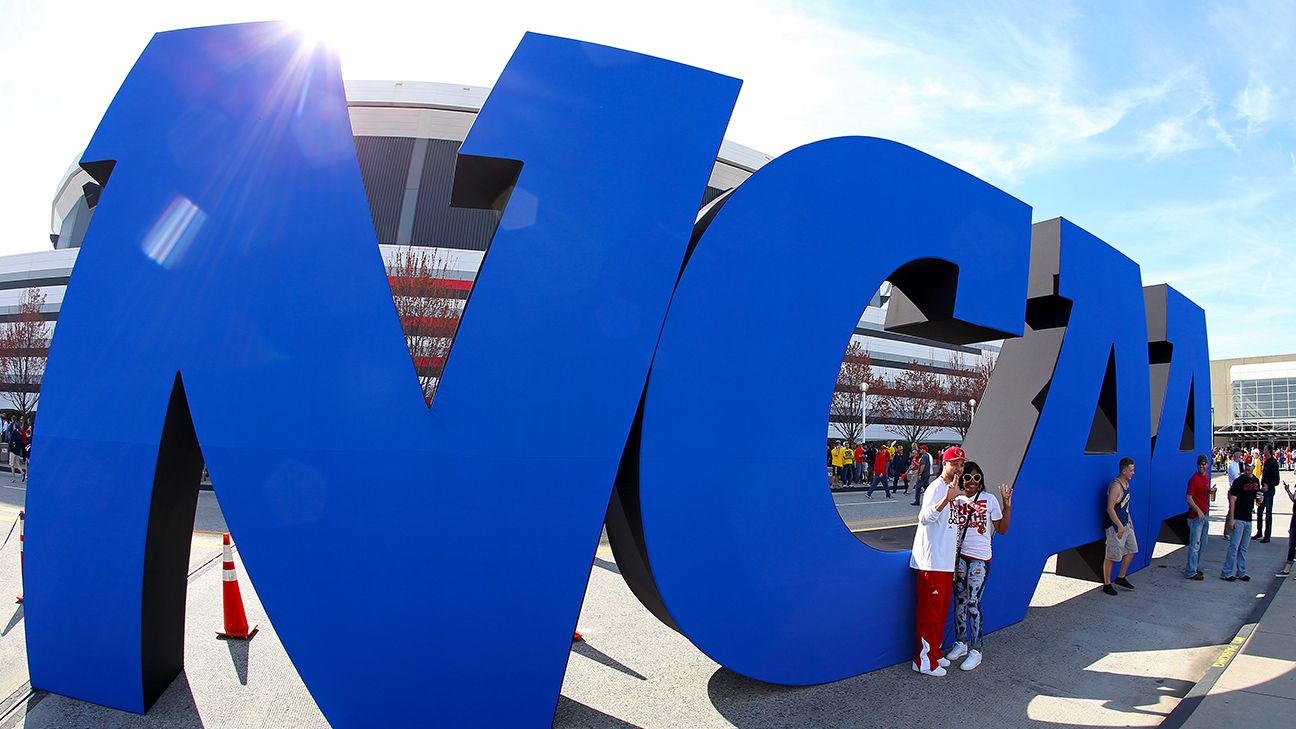
The NCAA announced on April 15, 2026, that it is considering an age-based eligibility model for Division I athletes. This model would allow athletes a five-year window to compete after high school graduation or their 19th birthday.
 espn.com
The NCAA confirmed on April 15, 2026, that it is exploring a move to an age-based eligibility model for Division I athletes. This proposed model would provide athletes a five-year window to compete in Division I sports, starting immediately after high school graduation or upon reaching their 19th birthday, whichever comes first.
The Division I Cabinet discussed the age-based eligibility model during meetings that concluded on April 15, 2026.
However, the Cabinet did not vote on a formal position regarding the model during these meetings. The Cabinet expressed support for NCAA staff to continue discussions with stakeholders to gather feedback and consider phasing in the new model. The proposed age-based eligibility model may include exceptions for specific circumstances, such as pregnancy, military service, and religious missions.
The next meeting of the Division I Cabinet is scheduled for May 22, 2026, where further discussions on this topic may take place. In addition to the age-based eligibility model, the Division I Cabinet approved changes to preenrollment eligibility rules during the same meetings.
One significant change bars athletes who have entered and remained in a professional sports draft from competing in college.
Another rule requires prospects to withdraw from opt-in professional league drafts, including the NBA draft, to align precollege enrollment draft rules with postcollege enrollment draft rules. Notably, men’s ice hockey and baseball would not be affected by the new draft withdrawal rule, as athletes do not opt in to those drafts.
Currently, athletes are allowed four seasons of competition over five years with no age restrictions.
The age-based eligibility model is similar to an idea included in an executive order issued by President Donald Trump on April 3, 2026. The changes to preenrollment eligibility rules will impact athletes like James Nnaji, who would be ineligible in the 2026-27 season under the new rules, despite having played professionally overseas before enrolling at Baylor in December 2023.
Story Timeline
4 events- 2026-04-15
NCAA confirms exploration of age-based eligibility model for Division I athletes.
1 sourceNCAA - 2026-04-15
Division I Cabinet discusses age-based eligibility model.
1 sourceNCAA Division I Cabinet - 2026-04-15
Division I Cabinet approves changes to preenrollment eligibility rules.
1 sourceNCAA Division I Cabinet - 2026-04-03
President Donald Trump issues an executive order related to age-based eligibility.
1 sourceunattributed
Potential Impact
- 01
The changes could affect the eligibility of current college athletes who have participated in drafts.
- 02
Athletes may face increased pressure to make decisions about professional drafts earlier.
- 03
The new age-based eligibility model could alter recruitment strategies for colleges.
Transparency Panel
Related Stories
 pcgamesn.com
Former NBA Player Damon Jones to Change Plea in Gambling Case Involving Insider Information
Damon Jones, a former NBA player and coach, has requested a change-of-plea hearing related to charges that he provided nonpublic information about player injuries to sports bettors. The charges stem from investigations into illegal gambling schemes involving multiple individuals.
 larrybrownsports.com
Brooks Koepka Rejoins PGA Tour via New Program After Leaving LIV Golf
Brooks Koepka rejoined the PGA Tour in 2026 through a Returning Member Program designed for recent major champions who left for LIV Golf. LIV Golf’s 2026 season continues as planned despite its absence from Saudi Public Investment Fund’s latest strategic vision.
 Forbes
Warriors Edge Clippers 126-121 in Thrilling NBA Play-In Comeback
The Golden State Warriors secured a 126-121 victory over the Los Angeles Clippers on April 15, 2026, in a crucial NBA play-in game. Stephen Curry led the Warriors with 35 points, including a decisive 3-pointer in the final minute.