Substrate
politics

Nebraska Supreme Court Rules Father Can Send Children to Church Camp

The Nebraska Supreme Court ruled that a father with joint physical custody may enroll his children in a church-affiliated summer camp during his parenting time despite the mother's religious objections. The court found no evidence that attendance would cause substantial harm to the children. The decision comes as the U.S.

reason.com
Stat
The Hill
Washington Examiner
Fox News
RealClearPolitics
+2
8 sources·May 10, 1:00 PM(18 days ago)·3m read
Nebraska Supreme Court Rules Father Can Send Children to Church CampWashington Examiner
Audio version
Tap play to generate a narrated version.

The court upheld the award of sole legal custody to Libby but found that she could not unilaterally block the children's attendance at the camp. Justice Derek Vaughn wrote that absent a showing of substantial harm, the noncustodial parent retains the right to direct the child's religious upbringing during his or her parenting time.

Jacob and Libby married in 2010 and had children in 2016 and 2018. They agreed to joint physical custody on a rotating schedule after Libby filed for divorce in February 2024. Both were raised in the church that Jacob continues to attend, which teaches that women should be subservient to men and that the church should be led by men.

Libby left the church about five months before filing for divorce, citing disagreement with its teachings on women and what she described as a culture of fear and shame. She objected to the children attending the church or its camp, though she had initially allowed church attendance after the separation.

The church camp, located on property where Jacob's parents serve as caretakers, mixes Bible classes with crafts, activities and nature time. Campers do not need any religious affiliation. Jacob testified that the camp was a major part of his childhood, that he met Libby there, and that he wants his children to have the same experience of independence and self-discovery.

The trial court had characterized the camp as an extracurricular activity over which the legal custodian holds authority. The Nebraska Supreme Court rejected that framework, noting that both parents viewed the camp as a religious activity and that Libby had no objection to a non-church camp.

The trial court expressly found little or no evidence that Jacob's religious practice presented any threat to the children's well-being. The supreme court agreed after its own review, concluding there was no immediate and substantial threat to the children's temporal well-being.

Separately, the U.S.

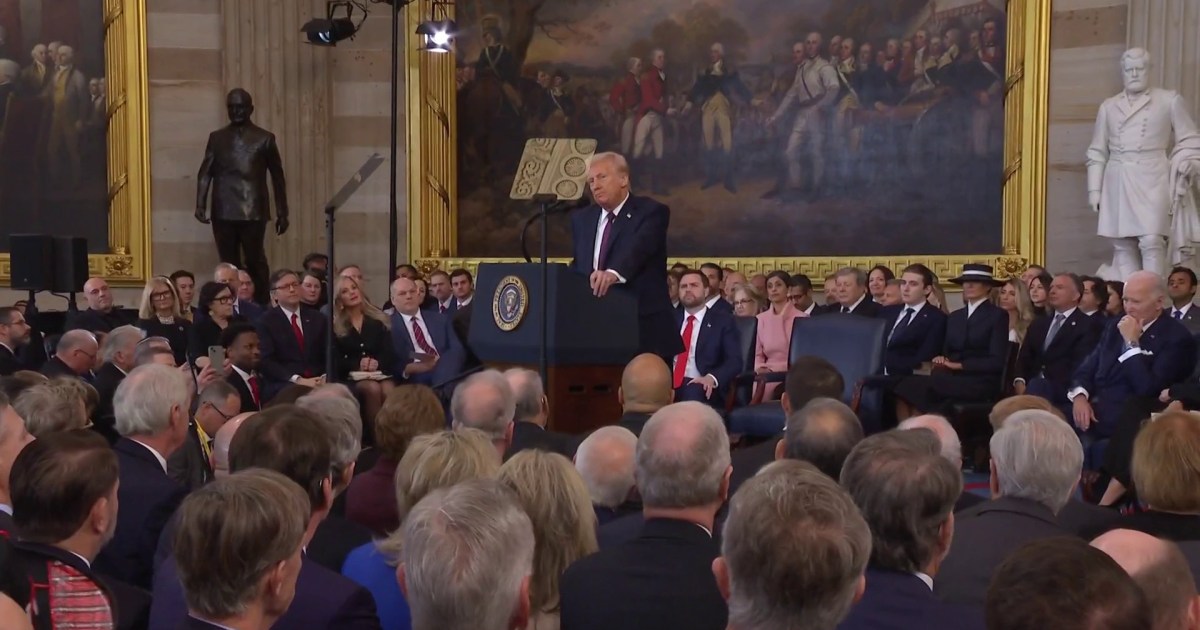
Supreme Court faces a Monday deadline in a case that could restrict access to mifepristone, the most common abortion pill in the United States. The court is weighing emergency requests from two manufacturers after a federal appeals court decision that would reinstate an in-person dispensing requirement.

The case centers on whether states can challenge FDA decisions on drug safety and whether the agency properly removed the in-person requirement in 2023. A ruling against the FDA could affect regulation of thousands of other drugs by allowing courts to second-guess scientific determinations.

Nine former FDA commissioners, including Janet Woodcock and Robert Califf, filed an amicus brief arguing that the agency's actions were cautious and science-based. They warned that overturning the decision would upend the FDA's drug approval system.

The pharmaceutical industry's lobbying group PhRMA argued that allowing the appeals court ruling to stand would discourage companies from developing new drugs by creating regulatory uncertainty. Louisiana maintains that the FDA violated the Administrative Procedure Act and the Comstock Act.

California abortion pill suppliers have prepared workarounds, including greater reliance on a misoprostol-only regimen that can be offered virtually and by mail even if mifepristone access is curtailed.

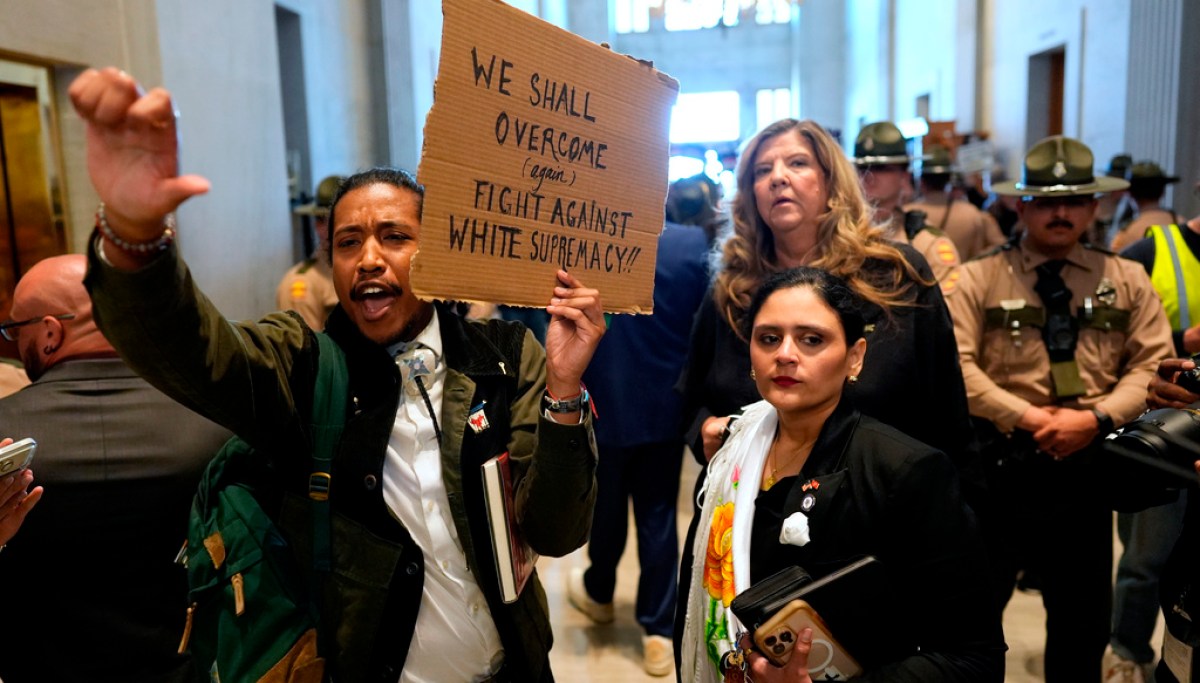
The Supreme Court's April 29 decision in Louisiana v. Callais reinterpreted Section 2 of the Voting Rights Act, clearing the way for states to redraw majority-minority congressional districts. The ruling has prompted protests and criticism from Democrats including Rep.

A Washington Examiner commentary countered that Democratic outrage over the decision is about power rather than protecting voters.

The fundamental question is: Who gets to regulate mifepristone? Can a state go further than the FDA? Is the FDA the floor or the ceiling?

Laurie Sobel, KFF, May 8, 2026 (STAT News)

The Nebraska ruling underscores ongoing tensions in family law over religious upbringing when parents hold differing beliefs after divorce. The court emphasized that its decision turned on the absence of evidence of harm rather than any endorsement of the church's teachings.

Key Facts

Nebraska Supreme Court
allows church camp attendance during father's parenting time
No substantial harm
found to children's well-being from camp attendance
May 11, 2026
Supreme Court mifepristone mail-order deadline
9 former FDA commissioners
filed brief supporting agency's 2023 mifepristone changes
Louisiana v. Callais
Supreme Court reinterpretation of Voting Rights Act Section 2

Story Timeline

5 events
  1. May 8, 2026

    STAT News reported on pending Supreme Court mifepristone decision and amicus briefs from former FDA leaders.

    2 sourcesSTAT News · Los Angeles Times
  2. May 10, 2026

    The Guardian published opinion calling for new Voting Rights Act to outlaw gerrymandering after Tennessee map changes.

    1 sourceThe Guardian
  3. May 11, 2026

    Supreme Court faces 5 p.m. ET deadline on emergency requests to maintain mail-order access to mifepristone.

    3 sourcesSTAT News · Fox News · Los Angeles Times
  4. May 9, 2026

    Nebraska Supreme Court issued decision allowing father to send children to church camp during his parenting time.

    1 sourcereason.com
  5. April 29, 2026

    Supreme Court decided Louisiana v. Callais, reinterpreting Section 2 of the Voting Rights Act.

    3 sourcesWashington Examiner · RealClearPolitics · The Hill

Potential Impact

  1. 01

    States may redraw congressional maps with fewer federal Voting Rights Act constraints following the April 29 ruling.

  2. 02

    FDA's authority to regulate drugs without constant court second-guessing could be weakened if Supreme Court sides with Louisiana.

  3. 03

    Divorced parents in Nebraska gain clearer rights to direct children's religious activities during their custody time.

  4. 04

    California providers will expand use of misoprostol-only abortion regimens if mifepristone mail orders are restricted.

  5. 05

    Pharmaceutical companies could face reduced incentives to develop new drugs due to increased litigation risk.

Transparency Panel

Sources cross-referenced8
Framing risk35/100 (low)
Confidence score98%
Synthesized bySubstrate AI
Word count654 words
PublishedMay 10, 2026, 1:00 PM
Bias signals removed4 across 3 outlets
Signal Breakdown
Loaded 2Framing 2

Related Stories

Trump Meets Advisers to Decide on Iran Ceasefire ExtensionBBC News
politics59 min ago

Trump Meets Advisers to Decide on Iran Ceasefire Extension

President Trump said he is holding a Situation Room meeting to make a final decision on a possible deal with Iran. The proposed agreement would extend the ceasefire by 60 days and reopen the Strait of Hormuz.

Al Jazeera
JA
MA
AF
AJ
+6
11 sources
Trump to Decide on Iran Deal in Situation Room Meetingmiddleeasteye.net
politics59 min ago

Trump to Decide on Iran Deal in Situation Room Meeting

President Trump said Friday he is heading into the Situation Room to make a final determination on a potential agreement with Iran. The proposed deal would reopen the Strait of Hormuz without tolls and require destruction of Iran's highly-enriched uranium.

LI
Just the News
CBS News
3 sources
Vietnam Clears Graves for Trump Organization Project in Hung Yen Provincebenzinga.com
politics59 min ago

Vietnam Clears Graves for Trump Organization Project in Hung Yen Province

Farmers in Hung Yen province are exhuming family graves to make way for a $1.5 billion Trump Organization development that includes hotels, villas and a golf course. The project, approved last year, has drawn local resistance over compensation levels and relocation of remains.

The Independent
1 source