finance
Next Retailer Offsets Higher Fuel Costs With Savings and Selective Price Increases
Average U.S. gasoline retail prices exceeded $4.50 per gallon amid the closure of the Strait of Hormuz after the late February outbreak of Middle East conflict. Next plc will raise prices by up to 8 percent in some markets outside Europe from May to offset £47 million in added fuel and supply chain costs. The retailer lifted its full-year profit forecast after stronger first-quarter sales.
May 6, 4:43 AM·1m read3 sources
WAJA
 rte.ie
Audio version
Tap play to generate a narrated version.
U.S. 50 per gallon for the first time since 2022. Fuel prices skyrocketed following the outbreak of war in the Middle East in late February. The Strait of Hormuz remains effectively closed.
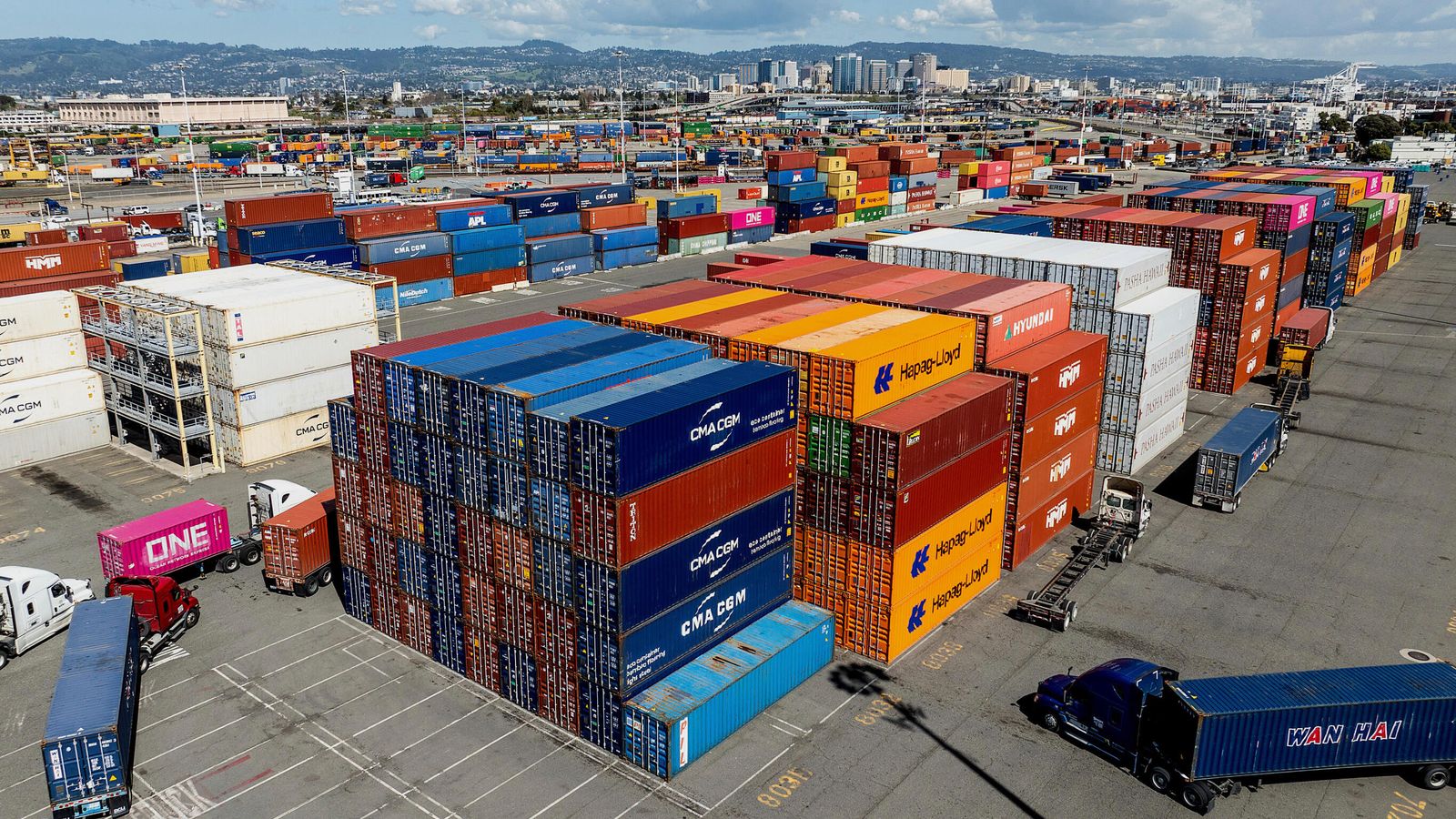
About a fifth of global oil and gas shipments cross the strait. U.S. continues its blockade of Iranian ports. Next plc said it is facing an additional £47 million in costs this year due to higher fuel prices and disruption to global supply chains from the Middle East conflict.
The retailer will raise prices in some international countries from May. Price increases outside Europe will vary by country, but will be no more than 8 percent in any territory. Next does not need to push through extra price increases in the UK and Europe.
In Europe, cost increases have been offset by currency gains, so there is no need for price increases. 6 percent it forecast at the beginning of the year. Increased costs in the UK will be offset by cost savings and margin gains through better factory-gate prices.
Next expects to offset all of the extra £47 million through measures including price increases and savings. Its forecast assumes that fuel costs remain around their current level and supply chain issues neither worsen nor improve. The conflict caused considerable disruption to service in the region but trade began to recover towards the end of the quarter.
Next's international sales had fallen when the conflict began. Over the last few weeks the company has seen significant recovery in international sales, albeit growth was not as strong as in the first five weeks of the year. 2 percent.
4 percent. 0 percent for the full year. Next has 700 stores worldwide, around 500 of which are in the UK. It owns brands such as FatFace and Cath Kidston and has stakes in Gap, Victoria's Secret and Reiss.