world
Niger Withdraws From International Criminal Court
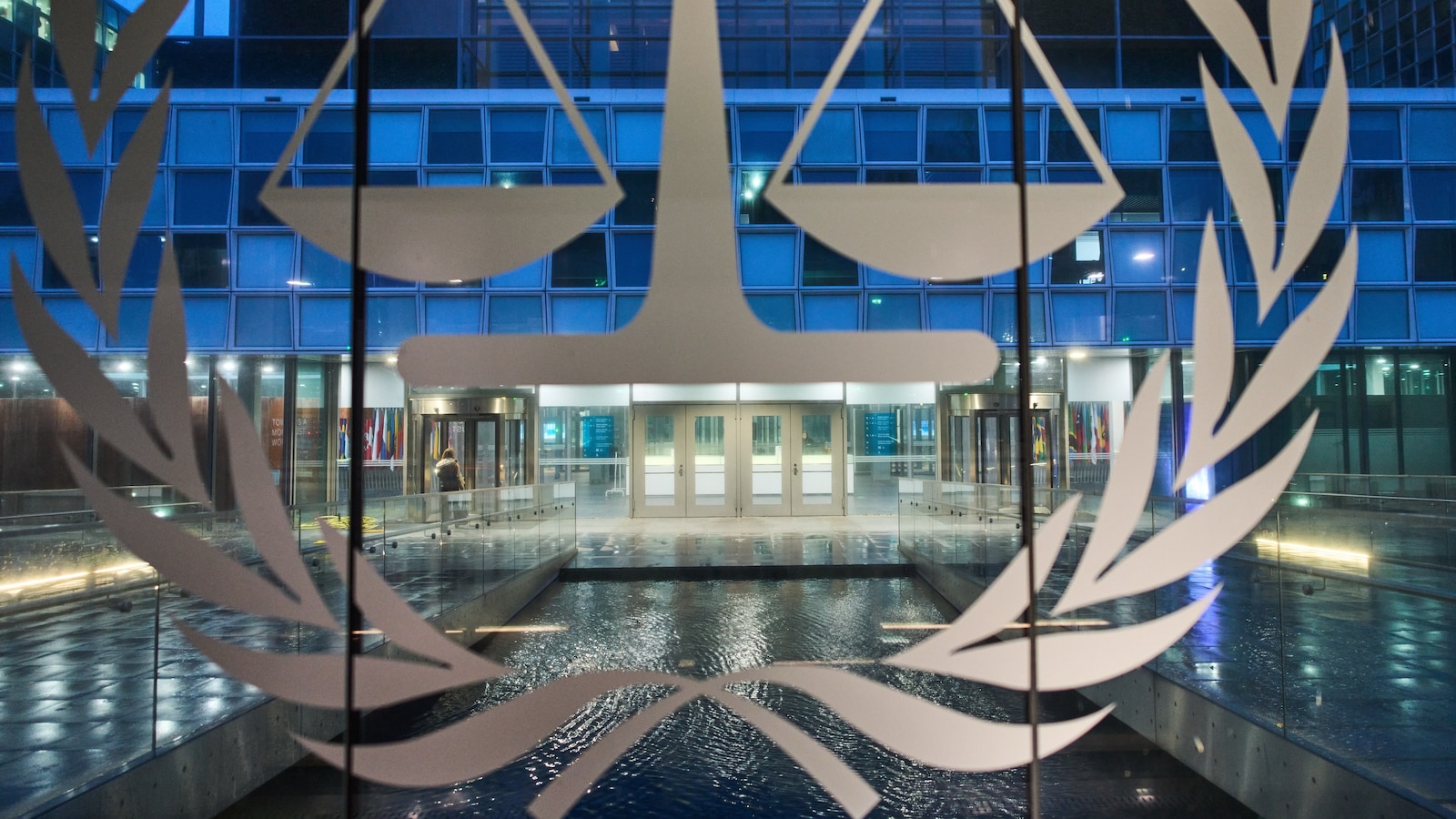
Niger formally left the International Criminal Court on June 23, becoming the third country to exit after Burundi and the Philippines. The government cited selective justice and said the court had been misused.
 abcnews.go.com
Audio version
Tap play to generate a narrated version.
Developing·Limited corroboration so far. This page will refresh as more sources emerge.
Niger has formally withdrawn from the International Criminal Court, with the government announcing the decision on June 23. The notification stated that the court had failed to meet expectations for impartial justice and accountability. Officials described the institution as having been misused and exploited.
Background to the withdrawal Niger's exit follows the 2023 change of government that brought a military-led administration to power. Since then, authorities have stressed national sovereignty and distanced the country from certain international frameworks.
The move aligns with earlier statements by members of the Alliance of Sahel States indicating they were considering leaving the court. Officials in neighboring Mali and Burkina Faso have also criticized the court's focus.
Court mandate and reactions The International Criminal Court was established under the Rome Statute to prosecute genocide, war crimes, crimes against humanity, and the crime of aggression when national courts cannot or will not act. The court has stated that its investigations are guided by legal criteria and evidence rather than political considerations.
Niger's withdrawal is expected to add to discussions in Africa about the future of international criminal justice.