world
Nissan Announces Reduction of 17 Models and Addition of New Vehicles in Lineup Strategy
Nissan has announced plans to reduce its vehicle models from 56 to 45, eliminating 17 low-performing ones to focus on growth areas. The company will introduce a new Xterra SUV and Skyline sports car as part of its strategy. This move supports the ongoing Re:Nissan turnaround plan, which aims to improve profitability amid competition from Chinese automakers.
Apr 13, 9:15 PM·2m read1 source
 Newsweek
Audio version
Tap play to generate a narrated version.
Nissan announced at its Vision event plans to streamline its vehicle lineup by cutting 17 models, reducing the total from 56 to 45. The reductions target low-performing models to reallocate resources toward growth segments. This strategy is part of the Re:Nissan turnaround plan, which has one year remaining and focuses on creating a leaner operation.
The Re:Nissan plan has involved laying off thousands of employees, adjusting manufacturing centers, reducing parts complexity, shortening vehicle development lead times, and achieving over $3 billion in cost reductions. These measures aim to enhance profitability. The plan was publicly introduced earlier to address financial challenges.
Competition for Nissan primarily comes from Chinese automakers, which are expanding into Europe, North America, and South America with affordable models featuring advanced interfaces, driver assistance systems, and distinctive designs. Nissan stated that the lineup changes will position it better for international competition.
The company continues to diversify powertrains to offer more options to buyers and increase sales volume per model.
plans to launch a new Xterra SUV and Skyline sports car.
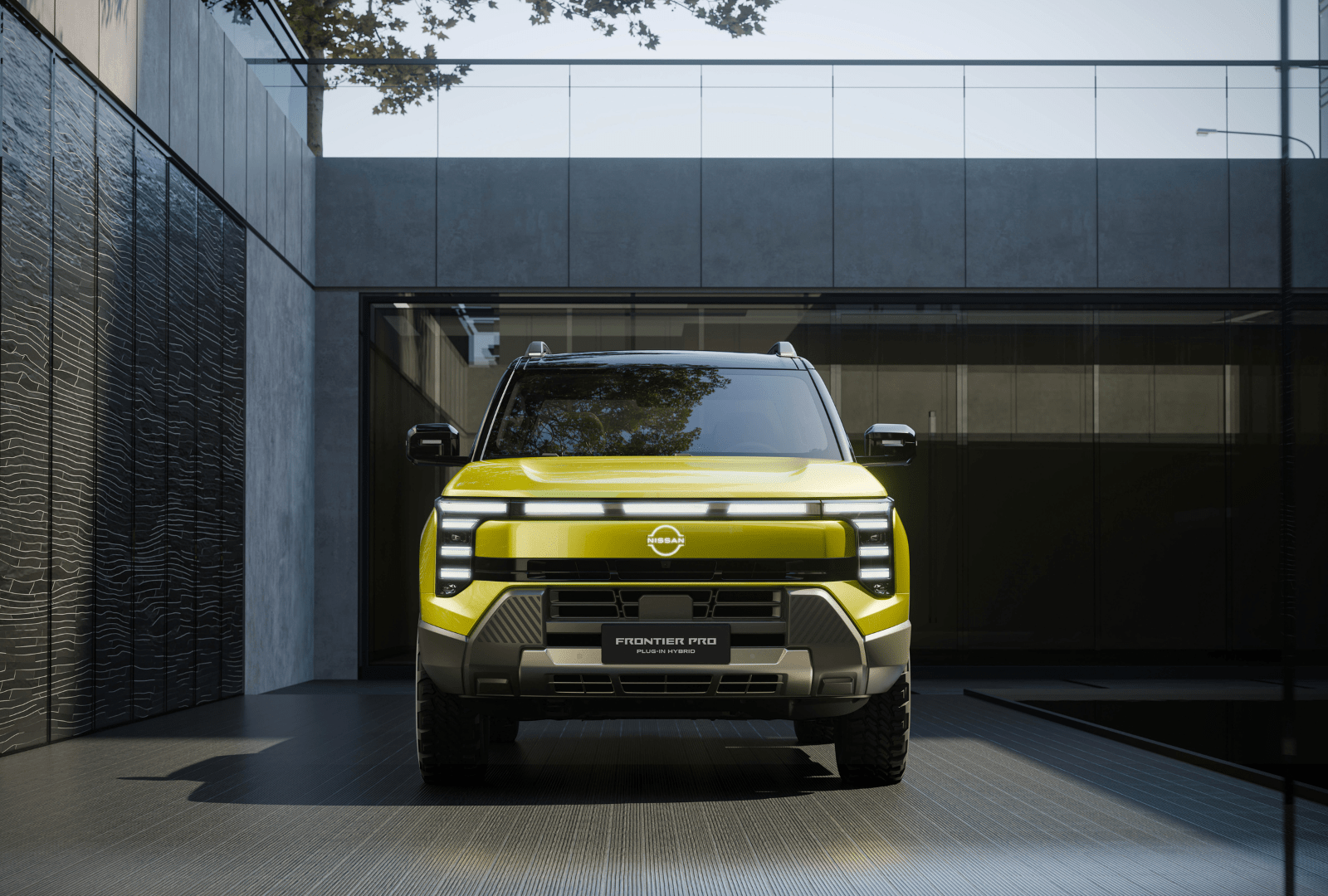
Production of the Frontier Pro plug-in hybrid electric pickup truck is underway in China for export. U.S. currently offer only the gas-powered version of the Frontier. In the future, about 80% of Nissan's volume will derive from three core vehicle families, with the model strategy organized into four categories: Heartbeat vehicles for emotional appeal, Core models for global scalability and stable markets, Growth vehicles for emerging demand, and Partner models for collaborations with other automakers.
Upcoming models linked to this include the Rogue as a Core vehicle, Xterra as Heartbeat, Juke EV as Growth, and Skyline as Heartbeat.