science
Northrop Grumman Launches Robotic Spacecraft to Capture and Raise NASA’s Swift Telescope
A three-armed satellite called Link lifted off on 3 July 2026 to capture the 1.6-ton Swift Observatory and raise its decaying orbit. NASA is paying $30 million for the mission, which aims to restore observations by September.
 app.buzzsumo.com
Audio version
Tap play to generate a narrated version.
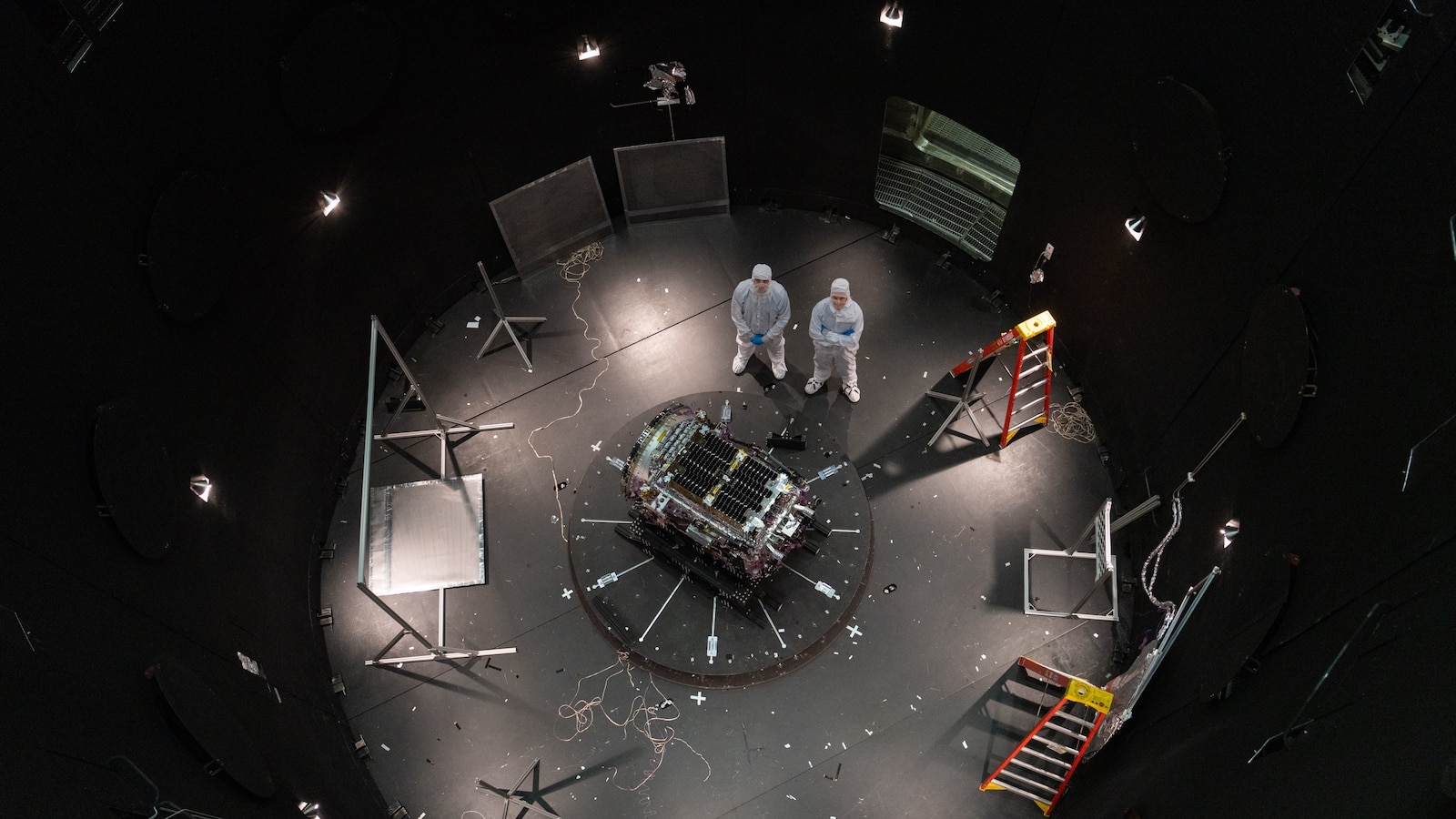
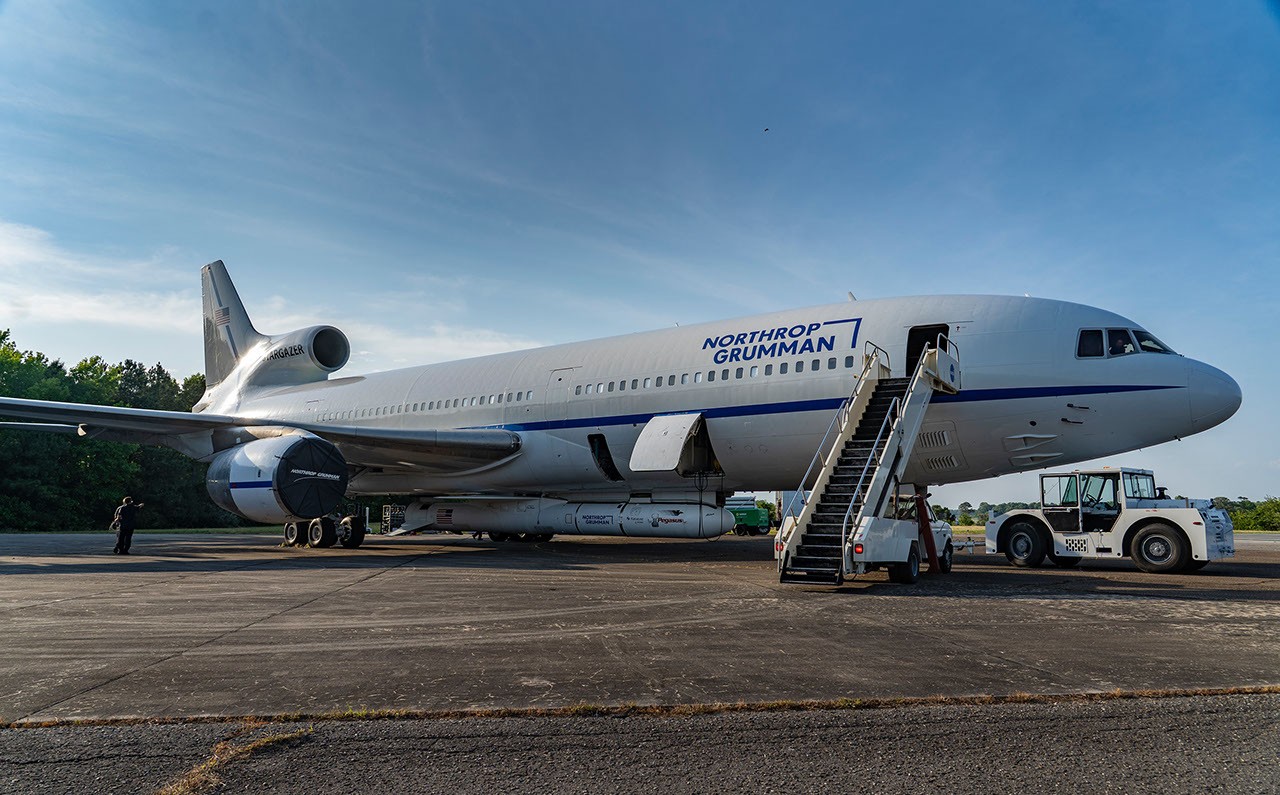
Northrop Grumman launched Katalyst Space Technologies’ Link spacecraft on 3 July 2026 from the Marshall Islands aboard a Pegasus XL rocket released from a modified airplane. The refrigerator-sized, three-armed robot is scheduled to reach and grasp NASA’s Swift Observatory roughly one month after liftoff.
Swift, launched in 2004, now orbits at 224 miles (360 km) after losing altitude faster than expected because of increased atmospheric drag from recent solar activity.
Its original altitude was about 373 miles (600 km). NASA is paying Katalyst $30 million to capture the 1.6-ton telescope and raise it by 150 miles over two to three months using gradual thruster firings. Observations are currently suspended to conserve the remaining altitude.
If the mission succeeds, Swift could resume scanning for gamma-ray bursts and other high-energy events by September 2026. Without intervention, the spacecraft is expected to re-enter the atmosphere and burn up in October. Katalyst developed and integrated Link in eight to nine months.
The company’s CEO, Ghonhee Lee, said ahead of launch: “This is a high-risk, high-reward mission. ” Swift has detected approximately 1,800 gamma-ray bursts since 2004. The Pegasus XL rocket is scheduled for retirement after this flight.
NASA has noted that the Hubble Space Telescope faces similar orbital decay and could become a candidate for a future servicing mission.