Norwegian Museum Recovers 18th-Century Chinese Porcelain and Artefacts from 600m-Deep Skagerrak Wreck
Government and museum officials announced Monday the recovery of Chinese porcelain and European goods from a mid-1700s vessel found 600 metres below the surface in the Skagerrak Strait.
 thehindu.com
Government and museum authorities announced on Monday the recovery of Chinese porcelain and European-manufactured items from an 18th-century vessel found in the Skagerrak Strait along Norway's southern coastline. The wreck lies approximately 600 metres, or about 2,000 feet, below the surface and had remained undisturbed for roughly 270 years.
Researchers believe the sailing ship sank sometime in the mid-1700s.
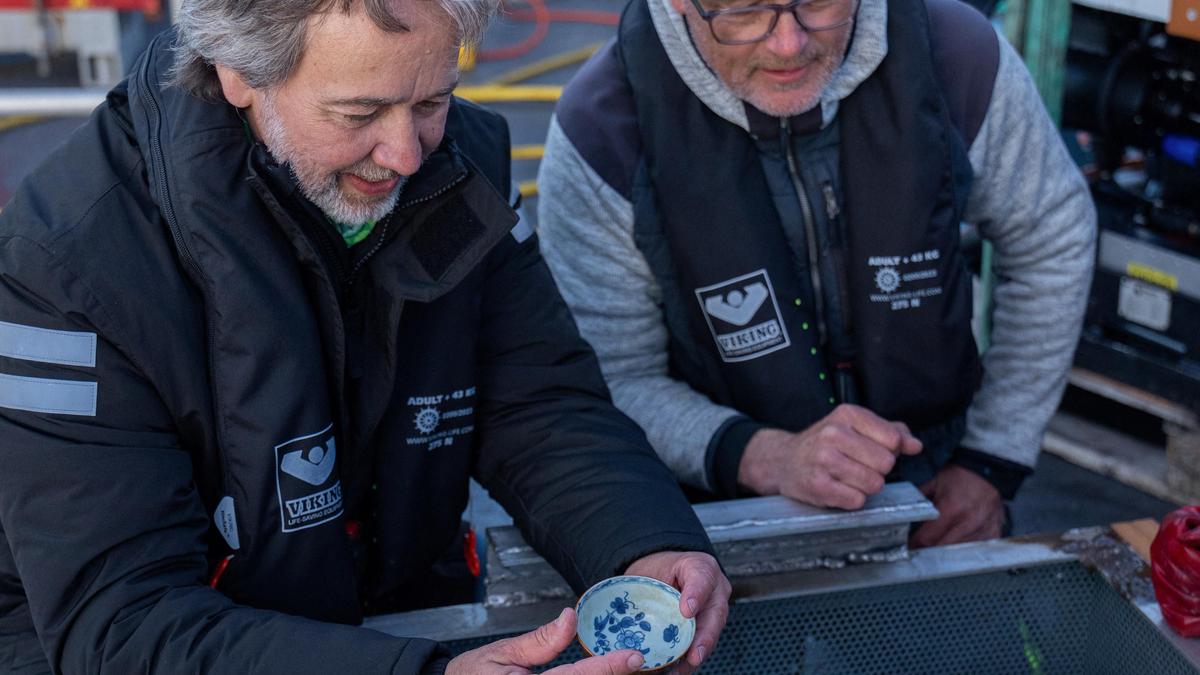
Neatly arranged blue-and-white porcelain bowls formed part of the cargo. Drinking goblets and textile materials were also recovered from the site. The Norwegian Maritime Museum confirmed that grain supplies and chandelier components were among the artefacts.
The salvage firm owner who located the wreck reported the cargo still intact within the vessel's remains. Norway's Climate Minister Andreas Bjelland Eriksen described the significance of the find in a statement. Where the ship originally set sail from and its intended destination have yet to be established.
The Norwegian Maritime Museum said investigations into the wreck and its cargo are continuing as experts work to piece together the vessel's history. The Norwegian announcement came days after a separate shipwreck was discovered by a British driver.
British marine archaeologists Dr Sean Kingsley and Dr Michael Pateman found scorched husks across the seabed near Nassau, now the capital of the Bahamas.
Infamous pirates Blackbeard and Calico Jack Rackham were both linked to the discovered vessels in the Bahamas. Alongside the burnt husks, scientists also found an iron cannon, 25 lead musket balls and a tool used for sharpening swords.