science
Novo Nordisk Funds Two-Day Obesity Maze Exhibition on London Riverside
A temporary maze exhibition about the obesity experience opened on London's riverside on July 20 or 21. Funded by Novo Nordisk, the display formed part of a disease awareness campaign. Britain's rules bar direct advertising of prescription medications.
Jul 21, 7:06 AM·2m read1 source
 cnbc.com
Audio version
Tap play to generate a narrated version.
Developing·Limited corroboration so far. This page will refresh as more sources emerge.
A temporary exhibition about the obesity experience opened on London's riverside on July 20 or 21. Funded by Novo Nordisk, the display took the form of a maze and was scheduled for removal after two days. A representative wearing a green T-shirt at the site identified himself as coming from the Danish drugmaker.
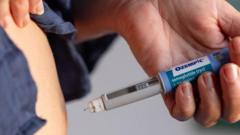
Novo Nordisk produces Ozempic and Wegovy, GLP-1 medications approved for diabetes control and weight loss. A company spokesperson said the July campaign sought to encourage people to view obesity as a complex, chronic health condition. Britain bans pharmaceutical companies and pharmacies from advertising prescription-only medications directly to the public.
The United States and New Zealand remain the only countries that permit such direct-to-consumer advertising. In 1997 the U.S. Food and Drug Administration eased rules on drug advertisements broadcast on television and radio.
Eli Lilly, maker of the GLP-1 medications Mounjaro and Zepbound, recently conducted its own disease awareness campaign in London that directed viewers to a company website containing a weight questionnaire. Britain's Advertising Standards Authority has received more than 100 public complaints about the campaign.
Jessica Tye, regulatory projects manager at the ASA, said the regulator is assessing the complaints but has not decided whether to open an investigation.
Earlier this year France's pharmaceutical regulator ANSM imposed fines of roughly €1.8 million on Novo Nordisk and €110,000 on Eli Lilly for campaigns it deemed indirect promotion of prescription drugs. Novo Nordisk said it is exploring all possible legal avenues to challenge the French decision.