world
Nuclear Debate Intensifies in South Korea and Japan Amid Iran Conflict
The ongoing war involving Iran has shifted discussions on nuclear weapons in South Korea and Japan, two U.S. allies that have historically avoided such arsenals. Public support for nuclear development has grown in South Korea, while officials in Japan have not dismissed the possibility. Analysts note significant obstacles remain despite changing attitudes.
Apr 25, 8:00 PM·1m read1 source
 South China Morning Post
Audio version
Tap play to generate a narrated version.
Developing·Limited corroboration so far. This page will refresh as more sources emerge.
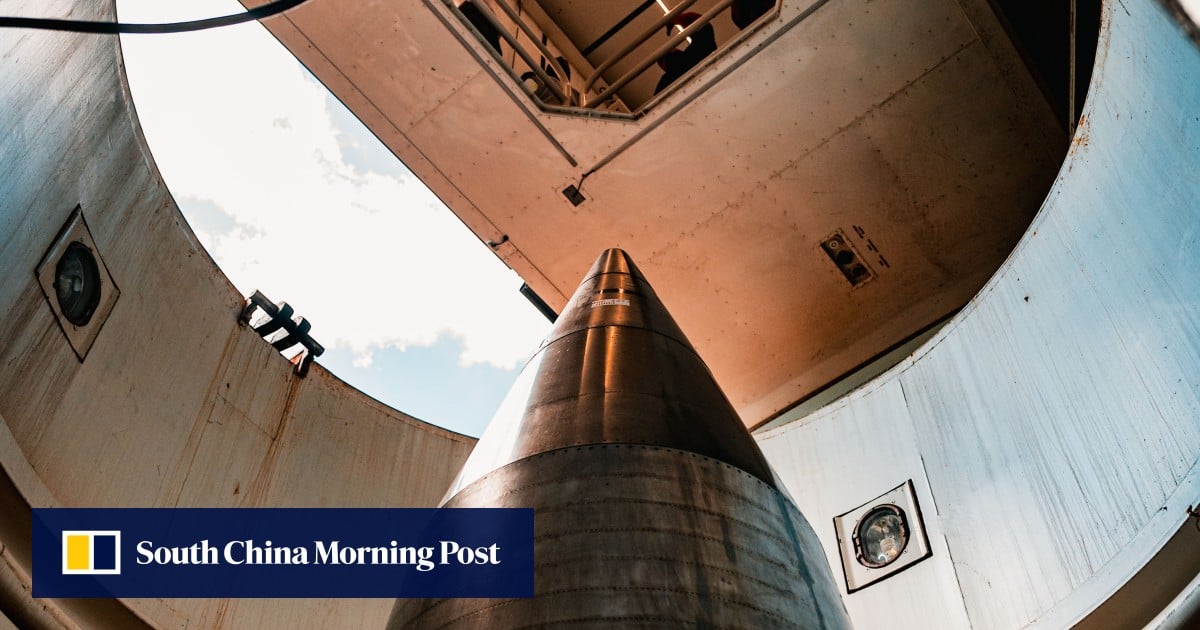
The war involving Iran has altered the nuclear weapons debate in South Korea and Japan, key U.S. allies that have long refrained from developing such weapons. For many years, the idea of these countries pursuing their own nuclear deterrents was considered marginal. Recent developments have brought the topic into mainstream discussion.
A poll indicated that seven in 10 South Koreans support acquiring nuclear weapons. Officials from the International Atomic Energy Agency have expressed concerns about a potential new global nuclear arms race, according to an interview.
observers of the region describe a rationalization of nuclear weapons discourse. However, analysts emphasize that economic, diplomatic, and structural barriers to proliferation in East Asia remain substantial. They advise caution against assuming the non-proliferation framework is collapsing.
The debate has intensified recently, though psychological barriers are diminishing. South Korea and Japan continue to define their security policies under U.S. alliances without nuclear possession. The situation reflects evolving regional security dynamics influenced by the Iran conflict.