science
Oak Trees Show 3-Day Delay in Spring Bud Opening After Heavy Caterpillar Infestation
Satellite analysis of northern Bavaria forests following a 2019 gypsy moth outbreak found that heavily infested oaks postponed leaf emergence the next spring. The three-day delay reduced subsequent caterpillar damage by 55 percent. Researchers say the response appears more efficient than other tree defenses.
May 12, 2:38 PM·2m read1 source
 bbc.co.uk
Audio version
Tap play to generate a narrated version.
Developing·Limited corroboration so far. This page will refresh as more sources emerge.
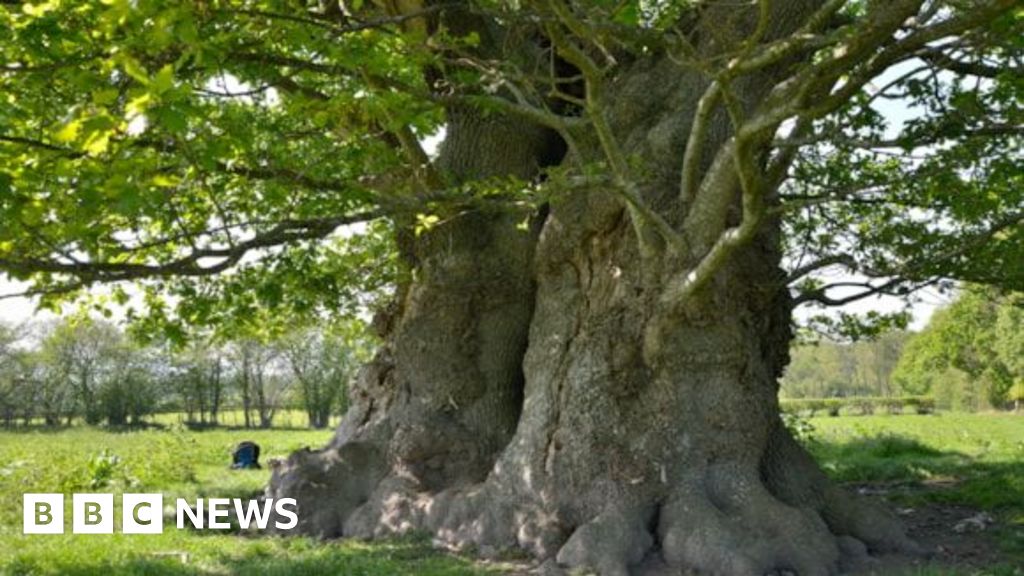
Oak trees heavily infested by caterpillars one year open their buds three days later the following spring, according to a study that drew on satellite radar images of forests in northern Bavaria, Germany. The three-day delay in bud opening slashed damage caused by feeding caterpillars by 55 per cent compared with the previous year.
A massive outbreak of gypsy moths (Lymantria dispar) occurred in 2019 in the region.
Satellite data analysis covered the years 2017 to 2021 across a 2400-square-kilometre study area. The forests in the study area are dominated by pedunculate oak (Quercus robur) and sessile oak (Quercus petraea). Sentinel-1 radar satellite images were analysed for tree canopy condition.
Each pixel in the Sentinel-1 images represented a 10 by 10 metre area, approximately the size of one tree crown, and the analysis examined 27,500 pixels in total. Caterpillars hatch at the same time regardless of the tree’s delayed bud opening. This leaves many of the insects without young leaves to eat when they emerge, causing higher mortality.
@NewScientist reported that the delay in bud opening was strongest in forests where it most effectively reduced herbivory. “The delay in bud opening seems to be more efficient than all these other defence mechanisms,” Soumen Mallick at the University of Würzburg in Germany told @NewScientist.
Oak trees also have other defences, including making leaves tougher to chew or producing aromatic compounds that may attract other organisms to prey on the caterpillars.
The delay in bud opening after heavy caterpillar infestation was observed across dozens of tree populations. Mallick said the pattern was not simply a result of reduced plant vigour from leaf loss. Instead, because it occurred across many trees and aligned with reduced herbivory, he considers it an adaptation.