Unbiased AI-powered news
Senior occupational health experts are pressing delegates to the World Health Assembly, which begins May 18 in Geneva, to make workplace health a core WHO priority. Nearly 3 million workers die annually from job-related causes while climate change and new industrial hazards expose millions more to risk. The push comes as the agency faces budget cuts following the U.S. withdrawal of funding.
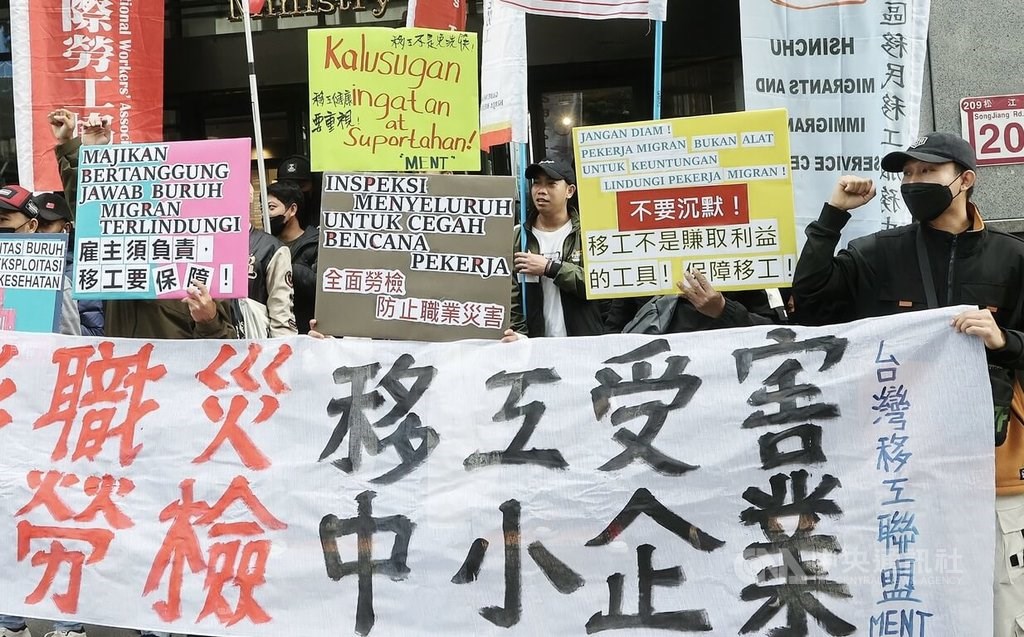
focustaiwan.twSenior leaders of national and global occupational health and safety organizations are calling on the World Health Organization to make workplace health a global priority as delegates to the World Health Assembly prepare to meet in Geneva starting May 18.
The assembly is the WHO’s top decision-making body. Every year hundreds of millions of people around the world suffer from workplace injuries or illnesses, and nearly 3 million die from job-related accidents or exposures.
The well-being of the world’s nearly 4 billion workers depends on the WHO making workplace health a global priority, the leaders said. Climate change is exposing millions of workers to excessive heat and toxic wildfire smoke each year. Rising global temperatures are increasing the risk of heat-related accidents, illnesses and deaths.
The rapid expansion of mining for critical minerals to meet renewable energy demands is exposing 100 million workers to highly hazardous chemicals and conditions. The growing market for artificial, engineered stone in homes and construction has exposed millions in both industrialized and developing countries to a deadly dust. The engineered stone market is worth $26 billion.
Australia was the first country to ban engineered stone. U.S. history. In 1930, thousands of men, mostly African Americans from the South, began drilling a 3-mile tunnel through a West Virginia mountain as part of a hydroelectric power project.
Hundreds of workers died during the Hawk’s Nest Tunnel project. The tragedy triggered a congressional investigation, inspired a federal “stop silicosis” campaign, led many states to include silicosis in worker compensation laws and contributed to the passage of the Walsh-Healy Act of 1936. U.S.

Regulators to implement federal rules restricting silica dust exposure after the 1930s. The WHO in partnership with the International Labour Organization established the Global Programme for the Elimination of Silicosis in 1995. The Global Occupational Safety and Health (GOSH) coalition said in a position paper last year that the WHO is ignoring occupational health and safety just as climate change, emerging pandemics and migration expose workers to new risks.
Emanuele Cauda, a faculty member at the University of Pittsburgh focused on occupational hygiene and a member of the GOSH coalition, said the issue demands attention. “We’re trying to raise awareness of the fact that leaving out occupational and safety protection for the workers is going to be a public health issue globally,” Cauda said.
The WHO has not made worker health one of its core priorities.
The person responsible for the WHO occupational health program retired in 2025 and was not replaced, Thomas Gassert said. The WHO lost half of its 10 divisions, Gassert added.
Chan School of Public Health and a core member of the GOSH coalition. The last time the joint ILO/WHO Committee on Occupational Health met was in 2003, Gassert said. President Donald Trump announced his intention to leave the WHO on the first day of his second term.
He cited “unfairly onerous payments” as a reason for leaving the WHO. The Trump administration terminated its financial support to the WHO last year. The United States was the WHO’s biggest government donor, contributing around 18 percent of its overall funding, Nick Pahl said.
Nick Pahl is CEO of the United Kingdom’s Society of Occupational Medicine and a GOSH member. The WHO’s 2026-2027 budget has a $700 million decrease in core program funding. “Occupational health was part of their program priorities in 2024-25, but it’s not appearing now,” Pahl said.
The number of people who are dying at work is increasing beyond population growth, Pahl added. Illnesses, injuries and deaths caused by failing to protect workers costs the equivalent of nearly 6 percent of the world’s GDP, or up to $3 trillion annually, according to a GOSH coalition letter.
Marianne Levitsky, the founding president and now board member of Workplace Health Without Borders who convened the GOSH coalition, said the gap must be closed.
“There’s not enough attention paid to occupational health in the global-health agenda,” Levitsky said. ” she said. Inside Climate News reported that GOSH members are urging the next WHO director-general to reinstate occupational health as a program unit, revive collaboration with the ILO and fund collaborating centers that support worker protection programs.
They note that risks are rising as climate change continues to impact workplaces through heat extremes, air pollution, infectious diseases and other challenges.
The BbcFrance issued red heatwave alerts for roughly half the country, including Paris, as temperatures approached record levels. Parisians sought relief by swimming in the Canal St Martin.
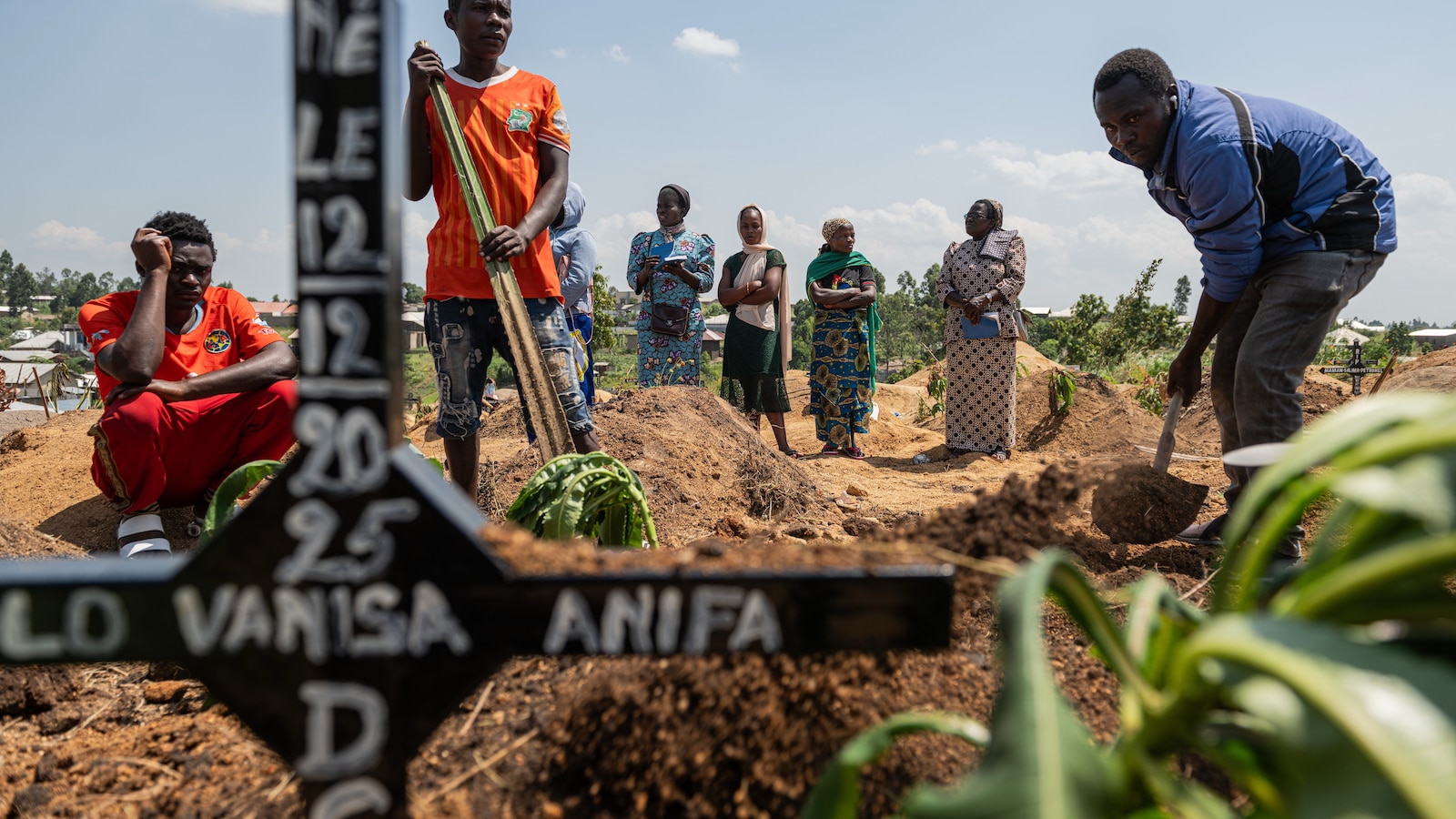
Abc NewsConfirmed Ebola cases in eastern Congo reached 1,003 as of late Sunday, including 254 deaths, the Ministry of Health said. The outbreak, declared May 15 in Ituri province, is caused by the Bundibugyo virus strain.
middleeasteye.netThe Lebanese environmental activist was injured two weeks earlier at her house on Mansouri beach and died Friday. She had protected sea turtle nesting sites for more than 25 years.