finance
Oil Prices Fall on Signs of Possible U.S.-Iran Deal
Crude benchmarks dropped after reports emerged of a tentative agreement to reopen the Strait of Hormuz. Markets remain cautious because full normalization could take months.
May 24, 7:38 PM·1m read4 sources

 +1
+1
 BBC News
Audio version
Tap play to generate a narrated version.
Crude oil prices fell sharply Sunday evening after reports surfaced of a tentative agreement between the United States and Iran that would reopen the Strait of Hormuz. Brent crude traded around $98.76 a barrel, down 4.62 percent from Friday’s close. West Texas Intermediate crude fell nearly 5 percent to about $92 a barrel.
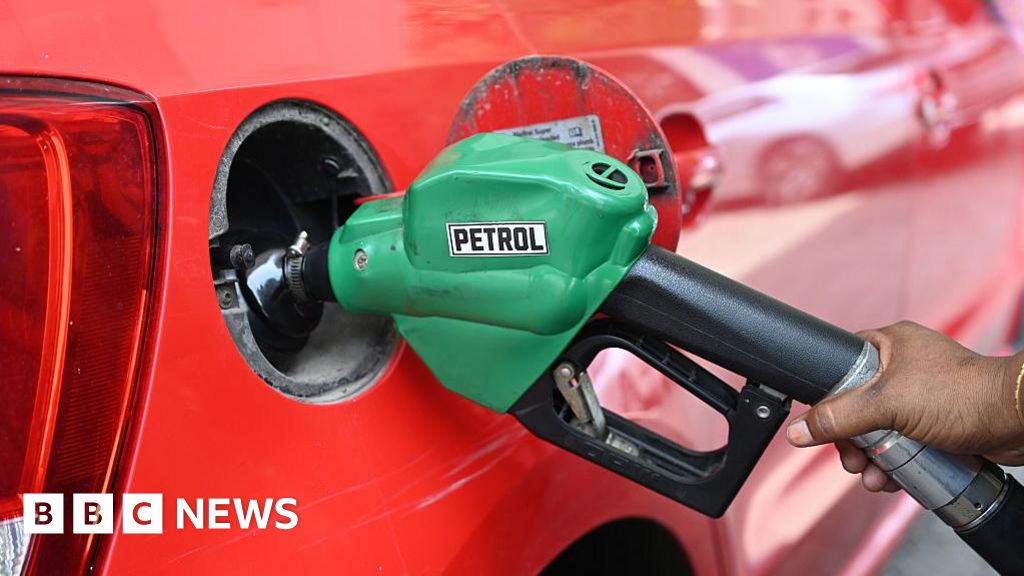
The declines followed comments from U.S. officials that an agreement in principle had been reached, though final approval could take days. Traders noted that even if the deal is signed, physical oil flows may not return to normal for months. Gasoline prices eased slightly to a national average of roughly $4.51 a gallon, according to the AAA motor club.
Diesel averaged $5.62, both figures still well above pre-conflict levels.
Background on the Waterway The Strait of Hormuz has been effectively closed since the conflict began on 28 February. The waterway normally carries about one-fifth of global maritime oil and liquefied natural gas trade. Saudi Arabia and the United Arab Emirates have increased use of bypass pipelines, but those volumes fall far short of normal flows through the strait.
Several Persian Gulf producers have also reduced output because storage filled up. " — Patrick De Haan, head of petroleum analysis for GasBuddy, via X.
Energy Partners said de-mining the strait, evacuating trapped tankers, and restarting production could take weeks to months. Repairing damaged facilities and rebuilding inventories could stretch into multiple quarters or years. Iranian foreign ministry spokesman Esmaeil Baqaei told state television that positions had converged in recent days but warned that key issues remain unresolved.
Officials on both sides urged negotiators not to rush final terms.