Brent Crude Reaches $119.50; BP and TotalEnergies Report Higher Profits
Brent crude oil prices reached their highest level since 2022 at $119.50 per barrel due to disruptions from the Iran war, marking what the International Energy Agency called the biggest energy security threat in history. Energy companies BP and TotalEnergies reported significant profit increases for the first quarter, with BP's profits more than doubling to $3.2 billion and TotalEnergies raising…
Substrate placeholder — needs reviewBrent crude oil prices reached $119.50 per barrel, marking the highest level since 2022, according to a post on X by @KobeissiLetter. This peak occurred during the ongoing war involving Iran, which has disrupted energy supplies through the Strait of Hormuz.
" The New York Times reported that U.S. gas prices have continued to rise as the effects of the Iran war reverberate. Multiple sources indicate the Strait of Hormuz, which handles about 20% of global oil and liquid natural gas, has been closed due to the conflict between the U.S., Israel, and Iran.
Prior to the war, Brent crude traded around $73 per barrel, with prices fluctuating between peaks near $120 and dips below $100 based on speculation about the strait's potential reopening, currently standing at about $110 per barrel.
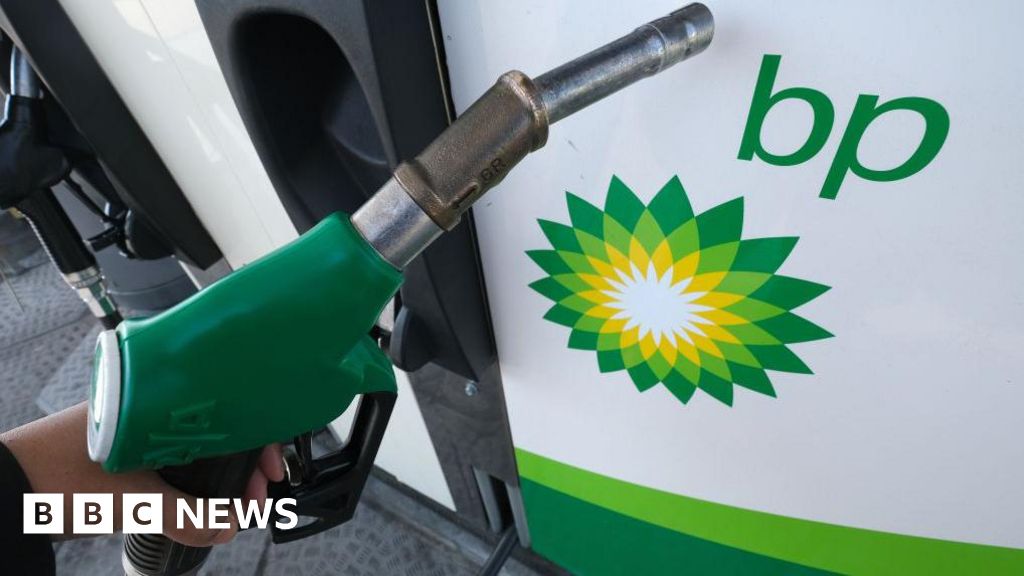
BP announced first-quarter profits of $3.2 billion, more than double the $1.38 billion from the same period last year, surpassing analyst expectations, as reported by BBC News and CNBC. The company noted that its oil trading business performed exceptionally, with profits in the customers and products division rising to $2.5 billion from $103 million a year earlier.
BP's upstream production stayed flat but is projected to decrease in the second quarter due to disruptions in the Middle East and seasonal maintenance. BP CEO Meg O'Neill said in a statement: "Overall, our business continues to run well. com. The company is increasing its interim dividend by 6%, citing higher oil prices and strong oil trading results during the Iran war.
TotalEnergies maintained its 2026 capital expenditure guidance at $13 billion to $13.5 billion.
The UK chancellor indicated that the results from energy companies support extending the Energy Profits Levy, a windfall tax on profits from UK oil and gas extraction introduced in 2022 after Russia's invasion of Ukraine and now set to run until March 2030.
The chancellor noted that while oil and gas firms remain part of the energy mix, windfall profits should be taxed accordingly. One group called for more investment in renewable energy and energy efficiency to lessen exposure to price volatility. UK household gas and electricity bills are capped at £1,641 per year until June 30, with estimates suggesting a rise of about £200 in July due to wholesale price increases following the war's start.
BP's share price increased 3% after the results announcement and has risen about 20% since the beginning of the Iran war. Analysts observed that BP's trading division benefited from price volatility, though production faces risks in the Gulf region.
The company reported net debt of $25.3 billion at the end of the quarter, up from $22.18 billion, aiming to reduce it to $14 billion to $18 billion by next year. These results mark the first under BP's new chief executive, who assumed the role in early April following the previous CEO's exit after less than two years.
The executive described operating in an environment of conflict and complexity, collaborating with customers and governments to limit fuel disruptions. At BP's recent annual general meeting, motions on online-only meetings and climate disclosure obligations did not receive majority approval.
The war has caused significant price swings, creating wider spreads between buying and selling prices that support higher trading profits. BP anticipates $9 billion to $10 billion in divestment proceeds this year. TotalEnergies also gained from the price increase in the quarter's latter part.
OilPrice.com reported that the blockage of the Strait of Hormuz has led to increased oil tanker traffic through the Panama Canal, indicating adaptations in global supply routes. A post on X by @ianbremmer stated: "this isn’t just about oil."
Key Facts
Story Timeline
6 events- Today
Brent crude oil prices reached $119.50 per barrel, the highest since 2022.
2 sources@KobeissiLetter · BBC News - 1 day ago
BP reported first-quarter profits of $3.2 billion, more than double last year's.
2 sourcesBBC News · CNBC - 2 days ago
TotalEnergies announced Q1 earnings of $5.4 billion and a 6% dividend increase.
1 sourceOilPrice.com - Last week
BP faced a shareholder revolt at its annual general meeting over governance and climate issues.
1 sourceCNBC - Early April 2026
Meg O'Neill took over as BP's new CEO.
2 sourcesBBC News · CNBC - February 2026
U.S.-Israel war with Iran began, closing the Strait of Hormuz and spiking oil prices.
3 sourcesBBC News · CNBC · NYT
Potential Impact
- 01
UK households will see energy bills increase by about £200 annually starting July.
- 02
Energy trading profits for majors like BP will remain elevated while Strait of Hormuz stays closed.
- 03
Windfall taxes on UK oil extraction profits will extend to 2030, affecting company revenues.
- 04
BP's upstream production will decline in Q2 due to Middle East disruptions.
- 05
Investment in renewable energy may accelerate to mitigate future price shocks.
- 06
Global oil price volatility will continue until Iran war negotiations progress.
Transparency Panel
Related Stories
ibtimes.comSEC Chair Paul Atkins Says Congress Will Pass Crypto Legislation
SEC Chair Paul Atkins stated he is confident Congress will pass crypto market structure legislation. He added that President Trump will sign the bill into law.
asiaone.comIran Says Strait of Hormuz Management Belongs to Iran and Oman
Iran's Foreign Ministry spokesperson stated that control of the Strait of Hormuz must be decided solely by Iran and Oman. The spokesperson also said no agreement has been reached with the United States and that current focus remains on ending the war.
cnbc.comFed Official Highlights Regulatory Barriers to AI Productivity Gains
A Federal Reserve official stated that productivity growth remains key to economic expansion and that regulatory hurdles are the main obstacle to sustained gains from artificial intelligence.