Oil Prices Rise After Iran Says It Will Not Submit to U.S.
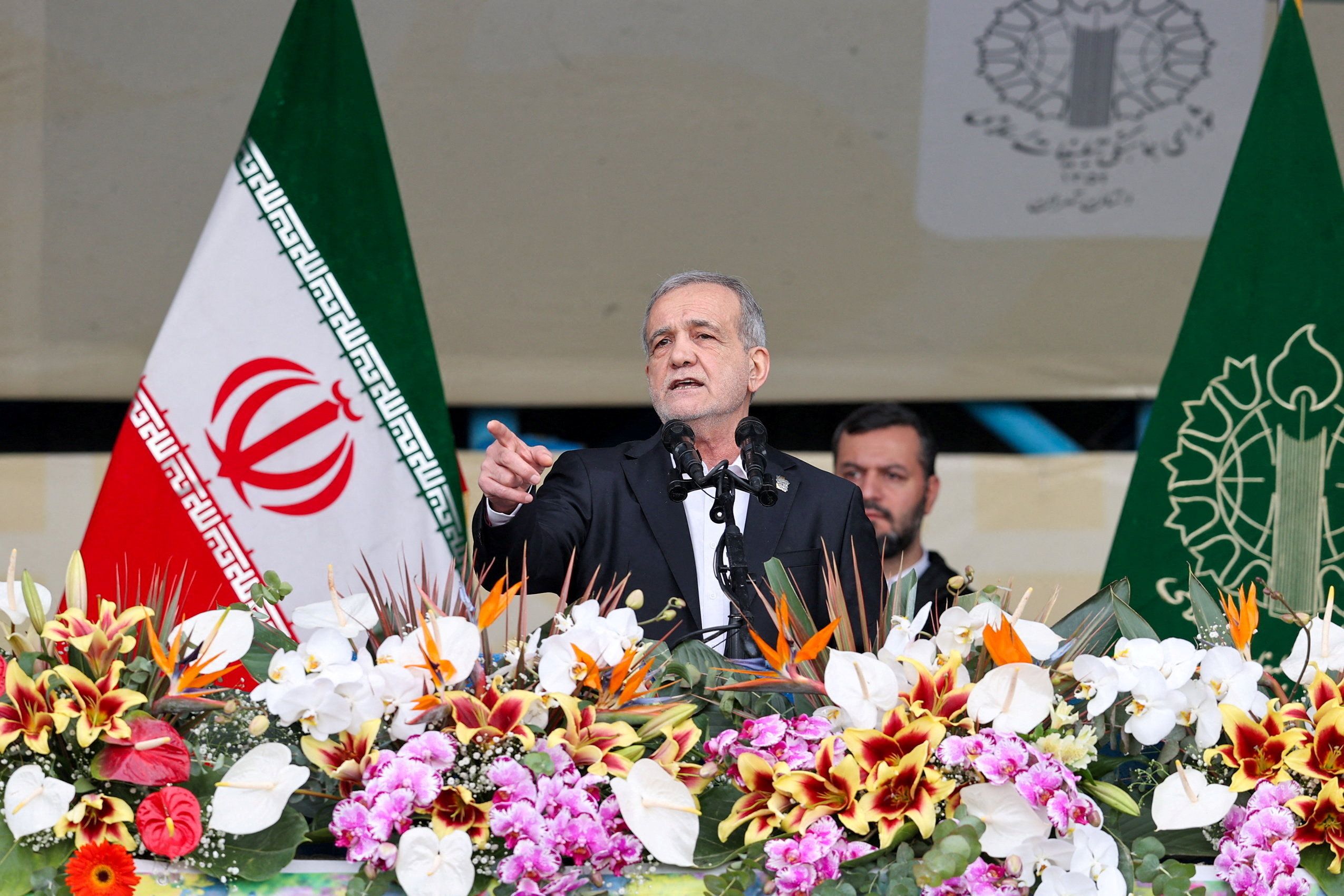
Oil prices increased to around $100 a barrel after Iranian President Masoud Pezeshkian stated his country would not submit to U.S. pressure. The move came as two Chinese tankers transited the Strait of Hormuz.
 Semafor
U.S. demands. Pezeshkian described as a "delusion" the idea that Iran would be forced into submission.
Crude prices increased by about 3 percent following the statement. Two Chinese tankers had recently passed through the Strait of Hormuz without incident. The price movement occurred despite those transits.
Reuters energy columnist noted that global oil supplies are dwindling while countries accelerate efforts to reduce fossil fuel use through grid changes and electric vehicle incentives. Bloomberg columnist Javier Blas stated that the current situation for the oil market is already somber.
Key Facts
Potential Impact
- 01
Higher oil prices could increase costs for transportation and manufacturing sectors.
- 02
Countries may accelerate shifts toward renewable energy and electric vehicles.
Transparency Panel
Related Stories
 ibtimes.com
SEC Chair Paul Atkins Says Congress Will Pass Crypto Legislation
SEC Chair Paul Atkins stated he is confident Congress will pass crypto market structure legislation. He added that President Trump will sign the bill into law.
 asiaone.com
Iran Says Strait of Hormuz Management Belongs to Iran and Oman
Iran's Foreign Ministry spokesperson stated that control of the Strait of Hormuz must be decided solely by Iran and Oman. The spokesperson also said no agreement has been reached with the United States and that current focus remains on ending the war.
 cnbc.com
Fed Official Highlights Regulatory Barriers to AI Productivity Gains
A Federal Reserve official stated that productivity growth remains key to economic expansion and that regulatory hurdles are the main obstacle to sustained gains from artificial intelligence.