Oil Prices Stay Stable Amid Iran Conflict Due to Multiple Factors
Oil prices have remained relatively stable during the war in Iran, avoiding predicted surges. Experts point to lower risk premiums, reserve draws, and moderated buying as key reasons. Current U.S. oil trades at around $95 per barrel, below earlier wartime peaks.
 rte.ie
Oil prices have not risen to the high levels some had anticipated during the war in Iran. Energy market professionals have identified several factors contributing to this stability, including a lower risk premium, draws on oil stockpiles, and reduced spot buying.
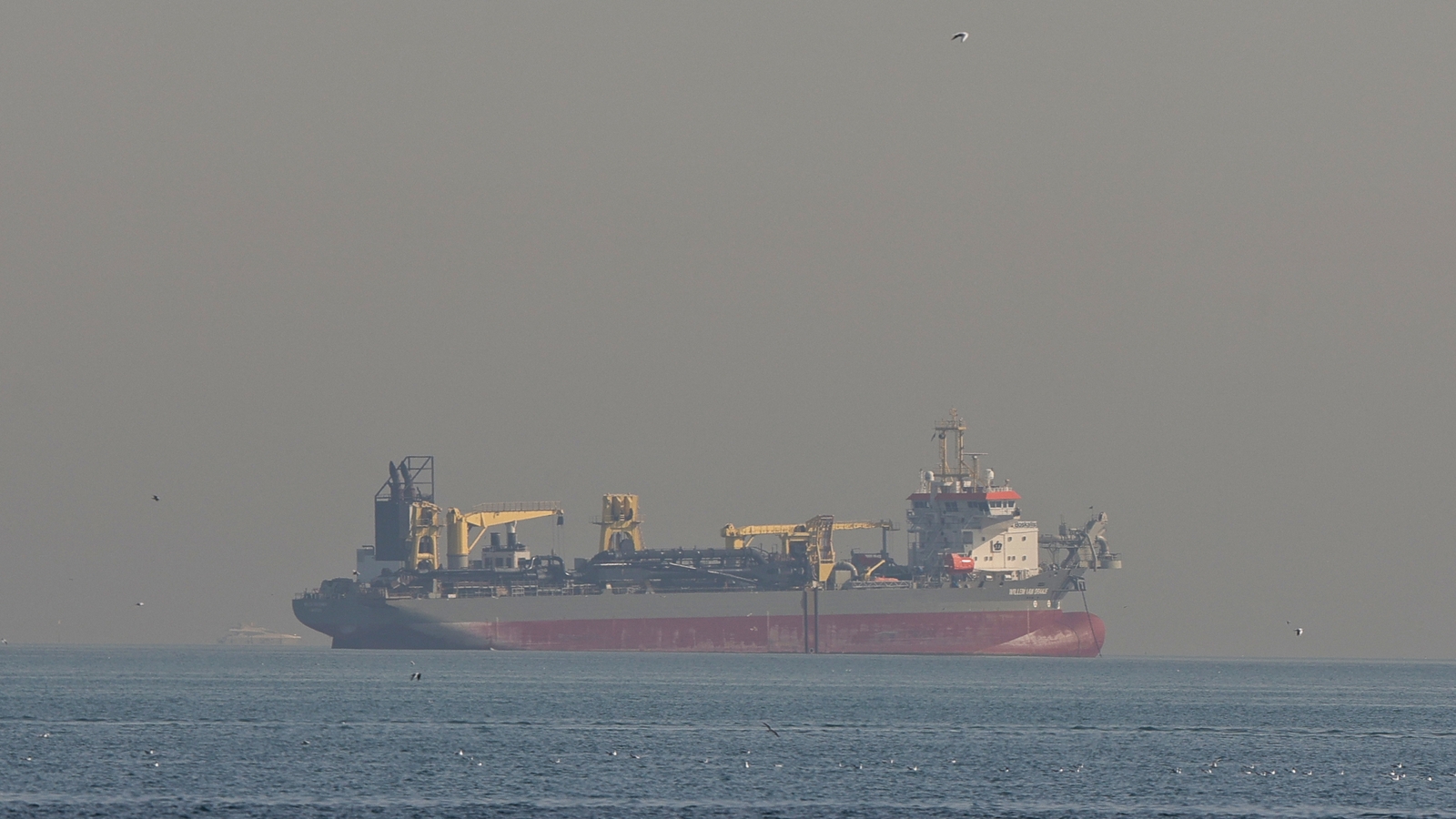
Crude futures are higher than prewar levels but remain below forecasts of $200 per barrel. The war has disrupted oil flows through the Strait of Hormuz, which carries about 20% of global oil supply. Despite this disruption, markets have shown resilience.
Physical oil prices are above futures prices, indicating market expectations of a near-term end to the conflict.
April 7, President Trump announced a temporary ceasefire between the U.S. and Iran, which led to a decline in oil prices. This development signaled to investors that efforts were underway to resolve the conflict. Tom Graff, chief investment officer at Facet, stated that gas prices could limit the duration of disruptions in the Strait of Hormuz, especially during a midterm election year.
Graff also noted that oil prices have likely reached their peak, though gas prices might continue to increase and could influence President Trump to seek a resolution. Neal Dingmann, an energy analyst at William Blair, reported that exploration and production companies are not changing plans to add rigs, suggesting they anticipate the disruption to last no more than a few months.
oil surpluses have helped mitigate price impacts. Countries and companies are drawing from reserves in expectation of normalized supply flows. Vikas Dwivedi, a global oil strategist at Macquarie Group, said the global market was in surplus before the conflict, which has limited price movements.
Dwivedi added that the global economy is less dependent on oil compared to past crises, reducing the overall effect. Spot buying of physical oil has decreased as buyers anticipate normalization, and refiners have built up supplies. The conflict has occurred during refinery maintenance season, which has further reduced the need for immediate purchases.