Ongoing Debt Sustainability Concerns Intensified by Reported War in Iran
Debt sustainability has been a concern for at least five years in various regions. A reported war in Iran has introduced a sudden global economic shock, according to analysis by Henry Tugendhat. This development raises questions about potential prolonged debt crises.
 Substrate placeholder — needs review · Wikimedia Commons (CC BY-SA 3.0)
Debt sustainability issues have persisted for at least five years across multiple economies. These challenges involve the ability of governments and entities to manage and repay debts without disrupting economic stability. Factors such as rising interest rates, fiscal deficits, and external pressures have contributed to this trend.
According to Henry Tugendhat, writing for Foreign Affairs, a war in Iran has introduced a sudden global economic shock. This event exacerbates existing debt vulnerabilities. Tugendhat notes that such shocks can accelerate the onset of debt-related difficulties.
the past five years, international organizations have monitored debt levels in developing and emerging markets.
Reports from bodies like the International Monetary Fund highlight increasing debt-to-GDP ratios in several countries. These ratios measure the size of public debt relative to economic output, serving as a key indicator of fiscal health. The war in Iran, as reported, involves regional conflict that affects global energy markets and trade routes.
Disruptions in oil supplies from the Middle East could lead to higher energy prices worldwide. Affected parties include oil-importing nations, exporters, and international financial institutions holding related debts.
A prolonged debt crisis could manifest through defaults, restructurings, or increased borrowing costs.
Stakeholders such as governments, investors, and multilateral lenders would face heightened risks. Next steps may involve emergency funding from institutions like the IMF or bilateral aid agreements to stabilize affected economies. The analysis by Tugendhat underscores the interplay between geopolitical events and financial stability.
Monitoring bodies continue to assess the situation as the conflict evolves. Updates from global financial watchdogs will provide further insights into debt trajectories.
Key Facts
Story Timeline
2 events- Recent
War in Iran introduces sudden global economic shock affecting debt sustainability.
1 source@ForeignAffairs - Past five years
Debt sustainability emerges as a growing issue in various economies.
1 source@ForeignAffairs
Potential Impact
- 01
Global energy price increases may strain fiscal budgets in importing nations.
- 02
Higher borrowing costs could emerge for debt-vulnerable countries amid economic shock.
- 03
International lenders might provide emergency support to prevent defaults.
- 04
Debt restructurings could occur in regions affected by the conflict.
Transparency Panel
Related Stories
 thehindu.com
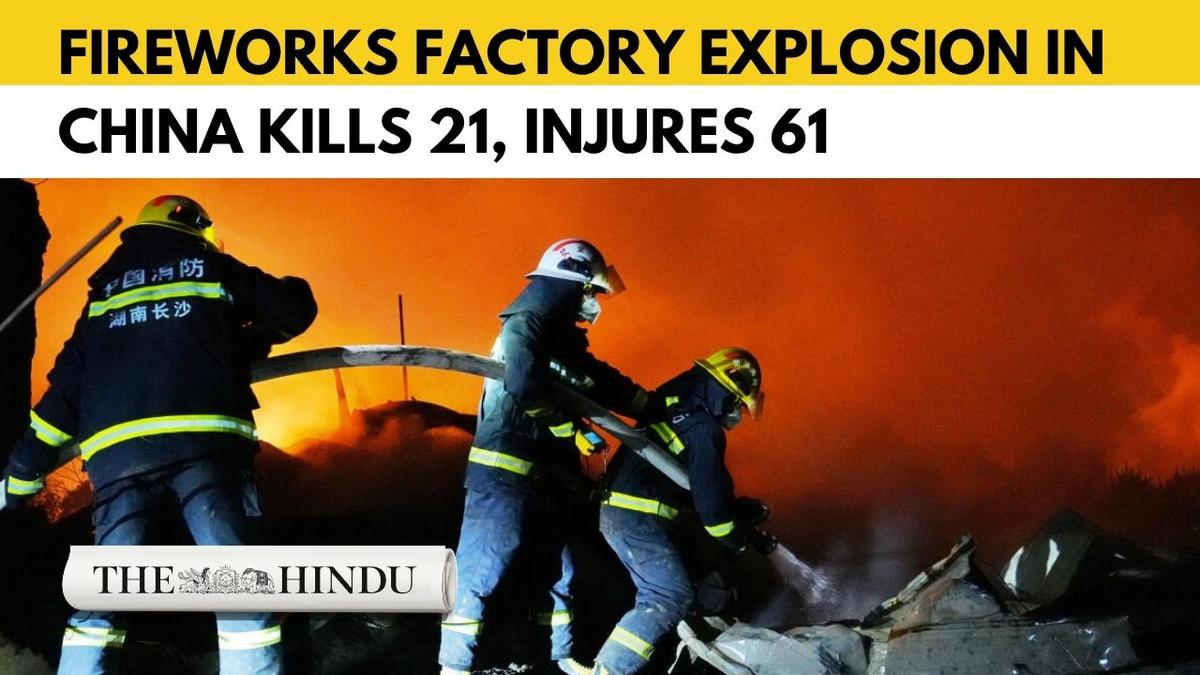
Explosion at China Fireworks Factory Kills 26 and Injures 61 in Hunan Province
An explosion at the Huasheng Fireworks Manufacturing and Display Company in Liuyang city, Hunan province, killed at least 26 people and injured 61 on Monday afternoon. Rescue operations have concluded, with authorities detaining company staff and halting all local fireworks produ…
 citizen.co.za
Middle East War Disrupts Global Supply Chains and Aviation Amid Diplomatic Efforts
The ongoing Middle East war has led to falling oil prices, plastic shortages in Asia, and minor flight cancellations in Hong Kong. Diplomatic talks continue, with China urging a ceasefire and the U.S. pausing ship escorts in the Strait of Hormuz. Various nations are addressing ec…
 indiatoday.intoday.in
Trump Pauses Project Freedom in Strait of Hormuz Amid Progress on Iran Agreement
President Trump announced a temporary pause to Project Freedom, the U.S. effort to escort ships through the Strait of Hormuz, citing mutual agreement with Iran to facilitate finalizing a deal while the blockade remains in place. The decision follows requests from Pakistan and oth…