Substrate
business

Ontario to Fast-Track 290-Kilometre Transmission Line Between Barrie and Sudbury

The province announced in February that it will accelerate approvals for a new 500-kilovolt line to be built by Hydro One. Construction is scheduled to start in 2029 with the line expected to be operational by 2032.

Cbc
1 source·May 17, 9:00 AM(12 days ago)·2m read
Ontario to Fast-Track 290-Kilometre Transmission Line Between Barrie and Sudburycalgaryherald.com
Audio version
Tap play to generate a narrated version.

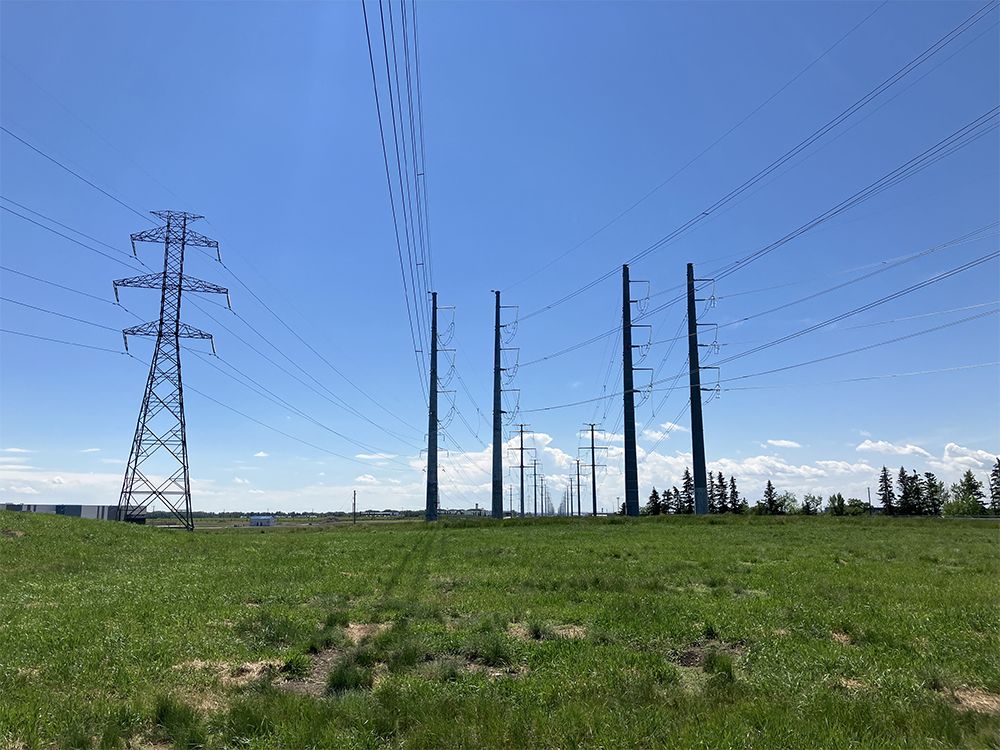
Ontario will accelerate approvals for a new 500-kilovolt transmission line running about 290 kilometres between the Hanmer transformer station in Greater Sudbury and the Essa transformer station near Barrie. The province designated the project a priority in February.

Hydro One expects to begin construction in 2029 and complete the line by 2032. The line is intended to meet rising electricity demand in northern Ontario, support northern industries, and strengthen the power grid. Electricity demand in the region is forecast to grow by 81 per cent by 2050, according to the province.

The Independent Electricity System Operator has projected demand increases ranging from 38 per cent to 98 per cent by 2050 depending on decarbonization and trade factors.

One will conduct a Class Environmental Assessment for Transmission Facilities that includes public and community input. The utility plans to issue a notice of commencement later this year and hold a second round of open houses to share route alternatives.

Environmental consultants will carry out field studies on vegetation, wildlife, water features, and other natural areas through 2026 and 2027. A preferred route is expected to be selected in 2027 after assessment of technical, socio-economic, and natural environment considerations.

Hydro One said the process will identify potential impacts and develop mitigation measures. A draft environmental study report will be released for public review and comment.

Northwatch project co-ordinator Brennain Lloyd said the organization has not yet studied the full corridor in detail but noted that the broad study area crosses largely undeveloped land. She said the Class Environmental Assessment generally has limited potential for public engagement to affect decisions.

Lloyd added that fast-tracking major infrastructure could reduce oversight. Peter Beckett, professor emeritus of reclamation, restoration and wetland ecology at Laurentian University, said new lines should follow existing corridors where possible instead of cutting through undisturbed forest.

He noted that clearing bush and building access roads can affect wetlands, water levels, and wildlife movement. Beckett said the line will pass through an area noted for endangered species, including certain turtle species that are vulnerable during nesting season from May to July.

Energy and Mines Minister Stephen Lecce said faster approvals do not mean weaker environmental protections. He pointed to legislation that strengthens enforcement regimes with penalties that can include jail time and multimillion-dollar fines. Lecce said the province is committed to reaching 99 per cent non-emitting electricity by 2050 through expansion of hydroelectric and nuclear power.

Key Facts

500-kilovolt line
290 km between Hanmer and Essa stations
81 per cent demand growth
Forecast for northern Ontario by 2050
9,000 jobs
Estimated economic impact cited by minister
Class Environmental Assessment
Required review process with public input

Story Timeline

5 events
  1. February 2026

    Ontario designated the Barrie-Sudbury line a priority project.

    1 sourceCbc
  2. April 2026

    Hydro One hosted a virtual open house on the project.

    1 sourceCbc
  3. 2027

    A preferred route is scheduled to be selected.

    1 sourceCbc
  4. 2029

    Construction of the transmission line is expected to begin.

    1 sourceCbc
  5. 2032

    The 500-kilovolt line is planned to become fully operational.

    1 sourceCbc

Potential Impact

  1. 01

    The line would increase transmission capacity to support mining, housing, agriculture and industrial growth.

  2. 02

    Field studies through 2027 will identify specific environmental impacts and mitigation measures.

  3. 03

    The project could create construction and supply-chain employment in northern and central Ontario.

Transparency Panel

Sources cross-referenced1
Confidence score65%
Synthesized bySubstrate AI
Word count414 words
PublishedMay 17, 2026, 9:00 AM
Bias signals removed2 across 2 outlets
Signal Breakdown
Loaded 1Framing 1

Related Stories

EU Fines Temu €200 Million Over Unsafe ProductsLos Angeles Times
business2 hrs ago

EU Fines Temu €200 Million Over Unsafe Products

The European Commission imposed a €200 million fine on Chinese e-commerce platform Temu for failing to assess risks from illegal goods. The penalty is the second issued under the Digital Services Act.

Los Angeles Times
The New York Times
BBC News
3 sources
Aggreko to Build Off-Grid Hybrid Plant for Eva Copper MineAbc
business22 hrs ago

Aggreko to Build Off-Grid Hybrid Plant for Eva Copper Mine

Global energy company Aggreko will construct Australia's largest off-grid renewable hybrid power facility at the Eva Copper Mine in North West Queensland. The 15-year project will supply 72 megawatts of power using solar, battery storage and thermal generation.

Abc
1 source
EU fines Temu more than $230 million over illegal product salestheyeshivaworld.com
business1 day ago

EU fines Temu more than $230 million over illegal product sales

The European Commission imposed a €200 million penalty on the Chinese e-commerce platform after finding consumers are very likely to encounter illegal items. Temu has until August 26 to submit a compliance plan or face further penalties.

The New York Times
The Verge
2 sources