world
OPEC+ Members Plan to Increase Production Quotas for May Amid Middle East Conflicts
OPEC+ members intend to raise their production quotas for May, despite ongoing Middle East conflicts limiting output and shipments from key producers. The decision affects global oil supply dynamics. This move follows previous adjustments to quotas in response to market conditions.
Apr 5, 5:10 AM·2m read1 source
BU
 thehindu.com
Audio version
Tap play to generate a narrated version.
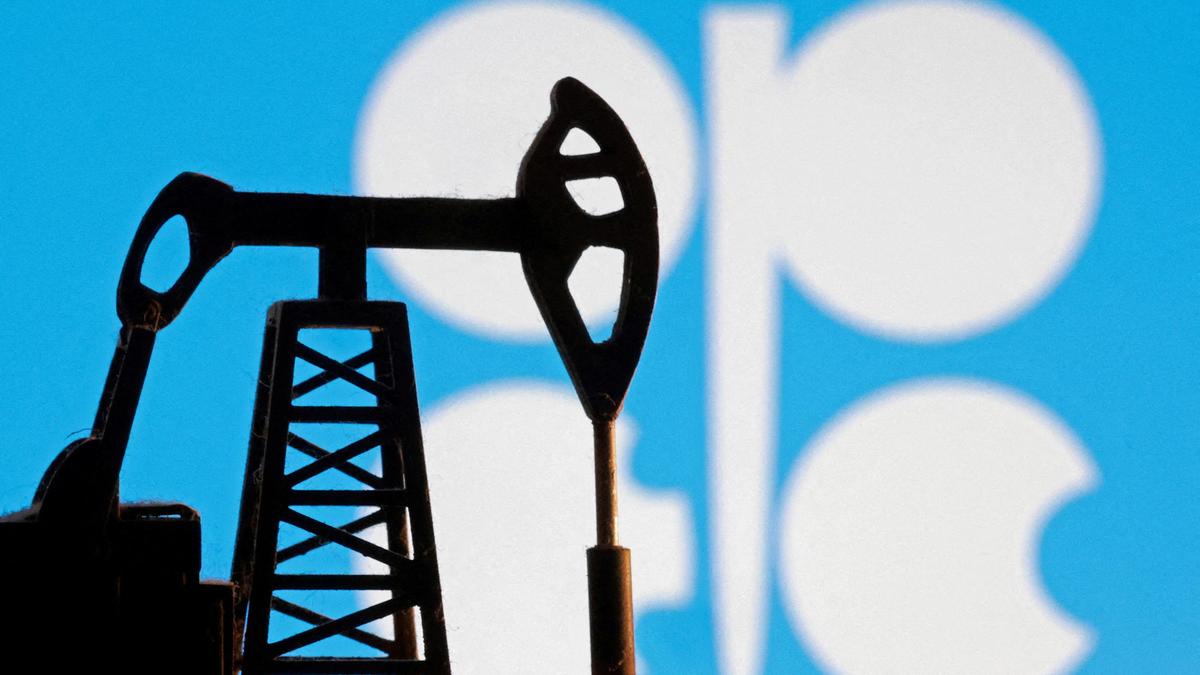
OPEC+ members plan to increase their production quotas for May. This adjustment comes as conflicts in the Middle East constrain production and shipments from several of the alliance's largest members, including those in the region. The group, comprising the Organization of the Petroleum Exporting Countries and allies such as Russia, has maintained voluntary cuts since late 2022 to support oil prices.
The planned increase represents a shift from prior policies where OPEC+ extended deep output cuts into 2025. According to @business, the move is intended to address current constraints while signaling potential future expansions. Largest affected members include Saudi Arabia, Iraq, and the United Arab Emirates, which have faced disruptions due to regional tensions.
Background on the Middle East conflicts includes the Israel-Hamas war and related escalations involving Iran-backed groups, which have impacted oil infrastructure and shipping routes. These events have led to reduced exports from OPEC+ nations in the Gulf. Global oil markets have experienced volatility, with Brent crude prices fluctuating around $80 per barrel in recent months.
Stakeholders affected by this decision include oil-importing countries like the United States, China, and India, which rely on stable supplies to manage energy costs and inflation. Producers outside OPEC+ , such as the U.S. shale industry, may see competitive pressures if quotas lead to higher actual output.
International energy agencies, including the International Energy Agency, monitor these developments for their implications on global energy security.
Next steps involve formal announcements expected at the upcoming OPEC+ ministerial meeting, where details on the quota hikes will be finalized. Implementation depends on members' ability to overcome logistical challenges from the conflicts. Analysts anticipate that actual production increases may be limited, given ongoing constraints, potentially stabilizing supply without flooding the market.