OpenAI Codex Reaches 4M Weekly Users but Faces Accuracy Issues and Requires Close Human Oversight
Knowledge workers now account for one-fifth of Codex users and are growing more than three times as fast as developers, according to a new OpenAI report.
 newrepublic.com
OpenAI's Codex now has more than 4 million weekly active users, up more than five times since the company launched the desktop app in February 2026. Knowledge workers make up roughly one-fifth of Codex users and are growing more than three times as fast as developers, according to a new OpenAI report shared first with Axios.
The fastest-growing task among knowledge workers is data analysis, up 110% week over week.
Research usage rose 37% week over week, and knowledge artifacts usage rose 36%. More than 60% of Codex users now run more than one Codex task at the same time at some point during the day, compared with less than half in mid-April 2026. Codex can connect to email, calendar, documents, spreadsheets, design apps, and messaging apps like Slack and Teams.
Users can set up a daily automation with one click that sends a morning brief including calendar items, important unread emails, and other items Codex determines need attention. Anthropic released Claude Code in October 2025. The tool went viral in the new year after dabblers experimented with it over the winter holidays.
Claude itself coded the more office-focused app called Cowork. OpenAI released the Codex desktop app the month after Anthropic's Cowork launch. Andrew Hall, a Stanford Graduate School of Business professor, said he and his students use coding agents like Codex and Claude Code for boilerplate academic tasks, data collection, statistical analysis, and running code to process data.
Earlier this year Hall asked Claude Code to update a paper he published five years ago on universal vote by mail. The tool gathered new data, ran analyses, produced figures and tables, and drafted a new paper with not very much prompting, Hall said.
When a graduate student audited the Claude Code output on the vote-by-mail paper update, the agent failed to collect all needed data and did not code all data correctly, Hall said.
The tool very much needed an expert, PhD-level student to oversee it quite closely, he said. OpenAI co-founder Andrej Karpathy, now at Anthropic, told the No Priors podcast he had been in a state of AI psychosis since December, trying to figure out what was possible and pushing it to the limit.
Quentin Rousseau, CTO and co-founder of incident management platform Rootly, said using agents like Codex and Claude Code means getting more done, but the satisfaction that comes from a typical hard day's work is a lot different than the stress of managing agents.
OpenAI is trying to reframe Codex from a tool for developers into something closer to an operating system for knowledge work, Axios reported.
Transparency
Reported by a single outlet. This score reflects source tier and factual specificity — corroboration is limited with one source.
Story details
Related Stories
 abcnews.go.com
Trump Signs Executive Order Prioritizing AI for Cybersecurity Innovation
President Donald J. Trump signed an executive order on June 2 directing federal agencies to accelerate artificial intelligence development for protecting critical infrastructure. The order reverses earlier emphasis on slower deployment and risk reviews.
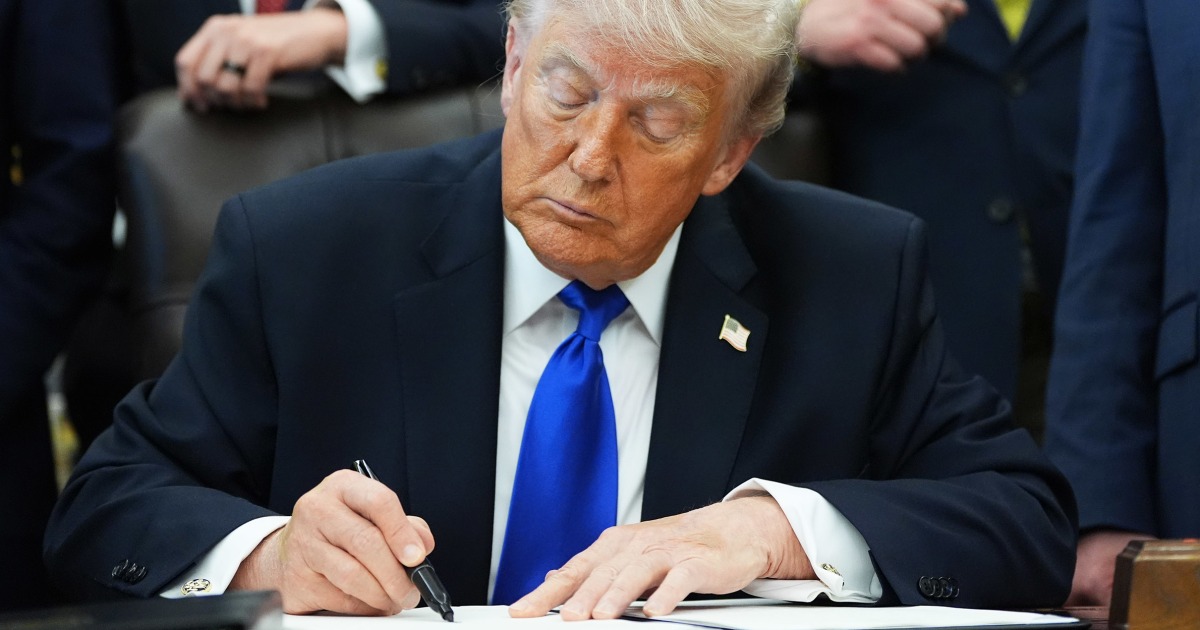 nbcnews.com
Trump Signs AI Executive Order Promoting Innovation While Requiring Security Reviews
The order directs federal agencies to promote advanced AI development while addressing security concerns and reduces government review compared with an earlier draft.
 nbcnews.com
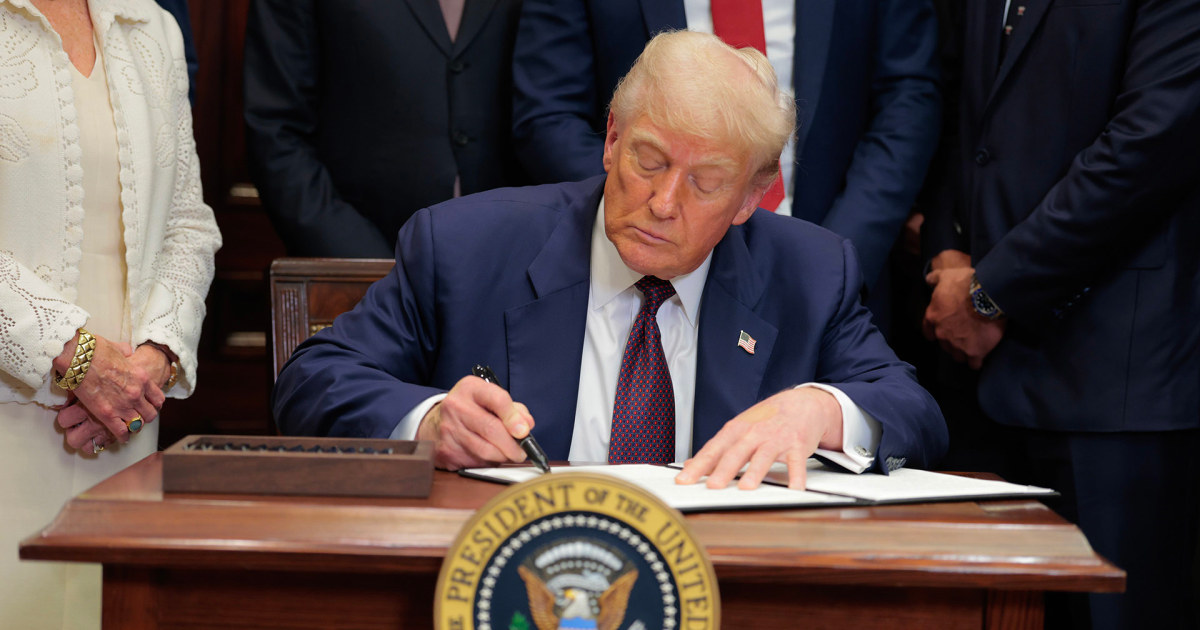
Trump Orders Voluntary 30-Day AI Model Sharing to Boost Innovation, Cybersecurity
President Trump signed an executive order on artificial intelligence and cybersecurity on June 2, 2026, establishing a voluntary 30-day pre-release window for frontier models and an industry collaboration on vulnerability scanning.