OpenAI Releases GPT-Rosalind, AI Model Tailored for Biology and Drug Discovery
OpenAI announced GPT-Rosalind, an artificial intelligence model designed for research in biology, drug discovery, and translational medicine. The model is named after scientist Rosalind Franklin and targets scientific workflows involving molecules, proteins, and disease biology. OpenAI also revealed a partnership with Novo Nordisk to accelerate treatment development.
 Substrate placeholder — needs review
for Life Sciences OpenAI
Launched GPT-Rosalind, a new artificial intelligence model designed for research in biology, drug discovery, and translational medicine.
The company announced the model on Friday. GPT-Rosalind is named after Rosalind Franklin, a British scientist known for her role in the discovery of the structure of DNA. The GPT-Rosalind life sciences model series is built for scientific work across published evidence, data, tools, and experiments.
OpenAI stated that progress in life sciences is constrained by the difficulty of the science and the complexity of research workflows. OpenAI stated that advanced AI systems can help researchers move through workflows faster by making existing work more efficient, exploring more possibilities, surfacing connections, and arriving at better hypotheses sooner.
GPT-Rosalind delivers best performance on tasks requiring reasoning over molecules, proteins, genes, pathways, and disease-relevant biology.
The model is more effective at using scientific tools and databases in multi-step workflows such as literature review, sequence-to-function interpretation, experimental planning, and data analysis. GPT-Rosalind is an LLM trained on biology workflows and available in closed access.
OpenAI will continue to expand GPT-Rosalind’s biochemical reasoning capabilities across long-horizon, tool-heavy scientific workflows following the first release.
OpenAI views GPT-Rosalind as the beginning of a long-term commitment to building AI that accelerates scientific discovery in human health and broader biological research. OpenAI is developing new large language models and partnering with international pharmaceutical companies in health and medical research.
Biotech Firms OpenAI Is working with biotechnology and pharmaceutical companies and research centers including Amgen, Moderna, the Allen Institute, and Thermo Fisher Scientific to apply GPT-Rosalind in workflows.
Stéphane Bancel, Chief Executive Officer at Moderna, stated that GPT-Rosalind represents an important step in helping scientific teams use advanced AI to reason across complex biological evidence, data, and workflows. Bancel stated that at Moderna, GPT-Rosalind can synthesize complex data and translate insights into experimental workflows, with potential to accelerate R&D pace.
OpenAI announced a partnership with Novo Nordisk on 14 April to help the company bring new and better treatment options to patients faster.
Pilot programs for the OpenAI-Novo Nordisk partnership will launch across R&D, manufacturing, and commercial operations, aiming for full integration by the end of the year. Sam Altman, OpenAI’s CEO, stated that AI is reshaping industries and in life sciences can help people live better, longer lives.
In OpenAI Developments A jury will soon determine in Musk v.
Altman whether OpenAI has strayed from its founding mission to ensure AGI benefits humanity.
Transparency
The rewrite presents a neutral, factual account of the AI model's release and partnerships without inherited slanted framing from sources.
14 independent outlets report the same core facts. This score blends how many outlets corroborate, their editorial tier, and how closely their facts agree — it measures corroboration, not proof.
Sources framed at 0; our rewrite scored 0 — in line with the sources.
Story details
Related Stories
 abcnews.go.com
Trump Signs Executive Order to Prioritize AI in Cybersecurity
President Donald J. Trump signed an executive order on June 2 directing federal agencies to accelerate artificial intelligence development for protecting critical infrastructure. The order reverses earlier emphasis on slower deployment and risk reviews.
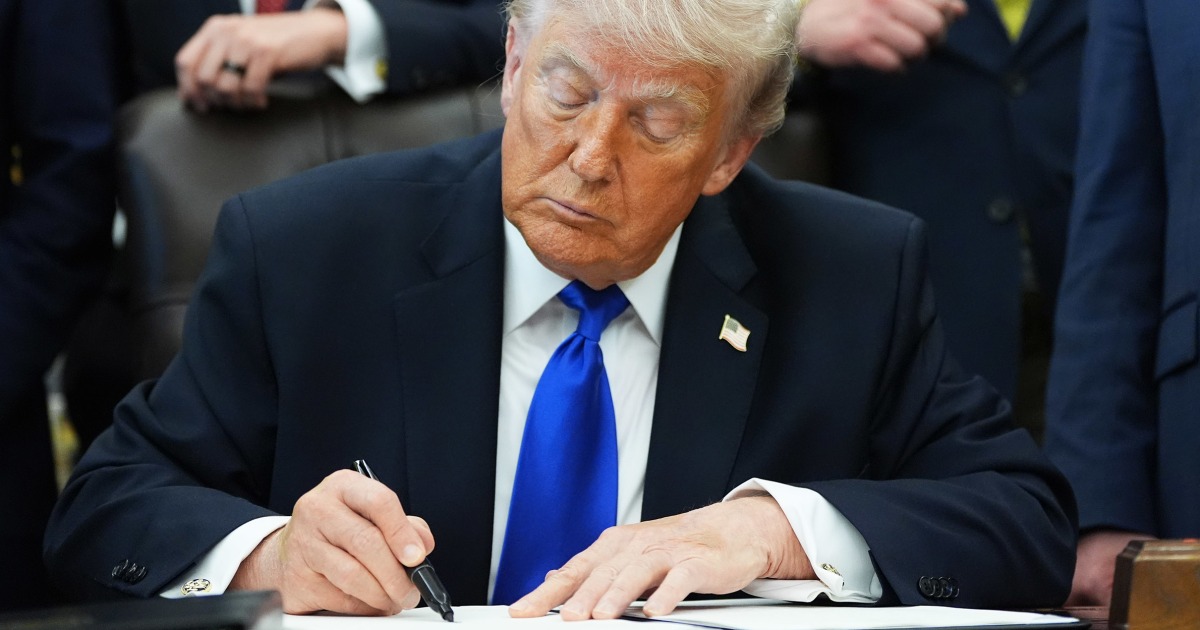 nbcnews.com
Trump Signs AI Executive Order Promoting Innovation While Requiring Security Reviews
The order directs federal agencies to promote advanced AI development while addressing security concerns and reduces government review compared with an earlier draft.
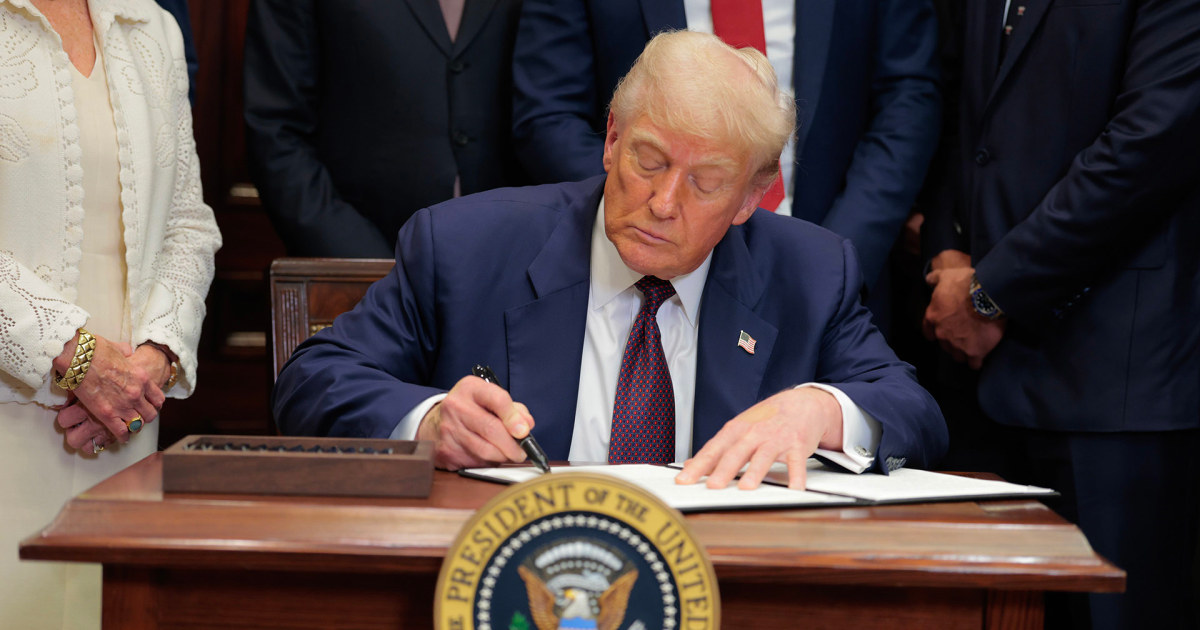 nbcnews.com
Trump Issues Executive Order for Voluntary 30-Day AI Model Sharing to Boost Innovation and Cybersecurity
President Trump signed an executive order on artificial intelligence and cybersecurity on June 2, 2026, establishing a voluntary 30-day pre-release window for frontier models and an industry collaboration on vulnerability scanning.