Opera Singer Reports Improved Hearing After Double Cochlear Implants
A London opera singer who concealed her deafness for over 30 years underwent double cochlear implants in 2019. She stated the procedure restored her hearing and improved her quality of life. A nationwide trial is now evaluating bilateral implants for adults to potentially expand NHS guidelines.
 The Guardian
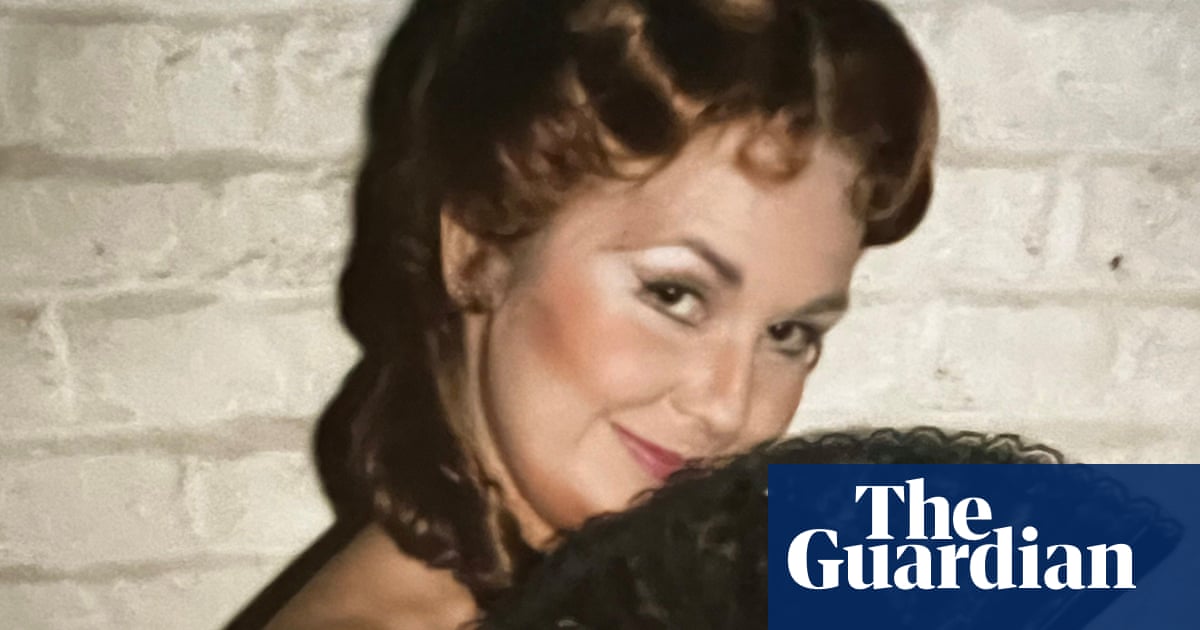
Janine Roebuck, a 72-year-old former opera singer from London, underwent double cochlear implant surgery in 2019 to address her sensorineural hearing loss. The condition, which is inherited and accounts for about 70% of genetic hearing loss cases, affected multiple generations in her family.
Roebuck had hidden her deteriorating hearing for more than 30 years while performing as a mezzo-soprano in operas, operettas, and musicals, including at the Royal Opera House. She received one implant through the NHS and paid privately for the second, as current guidelines from the National Institute for Health and Care Excellence limit most deaf adults to a single implant.
The guidelines cite cost-effectiveness analysis and limited evidence for bilateral implants. Roebuck stated that having two implants provided better sound quality, clarity, volume, and naturalness compared to one.
Roebuck added that the implants made it easier to locate sounds in busy environments and participate in conversations. She said the surgery enhanced her sense of safety and connection to the world, reducing isolation and potential anxiety or depression associated with hearing loss.
Roebuck noted that her father and grandfather also had the condition, and she described the implants as breaking a generational pattern. After the implants were activated, Roebuck experienced joy and discovered new sounds over the following six months.
She has since retired from performing. The trial, led by Addenbrooke’s hospital and the University of Cambridge, involves more than 250 participants across 14 hospitals. Participants, who became deaf later in life and have no prior implants, will receive either one or two implants for comparison.
Matthew Smith, an ear, nose, and throat surgeon at Addenbrooke’s hospital, stated that bilateral implants in children have shown transformative effects on quality of life and social interactions. Prof Debi Vickers, a speech and hearing scientist at the University of Cambridge, added that children routinely receive bilateral implants for three-dimensional hearing and better societal engagement.
She noted that adults should have similar opportunities to reduce isolation and improve mental health. The trial results will be submitted to the National Institute for Health and Care Excellence for review upon completion. Current evidence gaps and cost concerns have restricted bilateral implants for adults under NHS guidelines.
The study aims to determine if expanding access could benefit thousands of patients.
Transparency
Reported by a single outlet. This score reflects source tier and factual specificity — corroboration is limited with one source.
Story details
Related Stories
 New Scientist
Phase 3 Trial Finds Daraxonrasib Extends Median Survival to 13 Months vs 7 Months for Chemotherapy in Second-Line Pancreatic Cancer
A 500-person study found the once-daily pill halted or reversed tumor progression in nearly one-third of patients versus 10 percent on chemotherapy. Median survival rose from less than seven months to roughly 13 months.
 nypost.com
Bundibugyo Ebola Strain Shows High Survival Rate in DRC; Suspected Cases Reported in Brazil and Italy
Four nurses and one laboratory worker have recovered from Ebola caused by the Bundibugyo strain in the Democratic Republic of Congo. Suspected cases linked to travel from affected countries are under investigation in Brazil and Italy.
 citizen.co.za
Ebola Outbreak in Eastern Congo Reaches 906 Suspected Cases
WHO Director-General Tedros Adhanom Ghebreyesus arrived in Bunia on May 30 to assess the response to a Bundibugyo virus outbreak that has killed 223 people. Officials reported cases spreading to North Kivu and South Kivu, while Uganda confirmed nine infections.