technology
Oppo Find X9 Ultra and Vivo X300 Ultra Compared on Telephoto Cameras
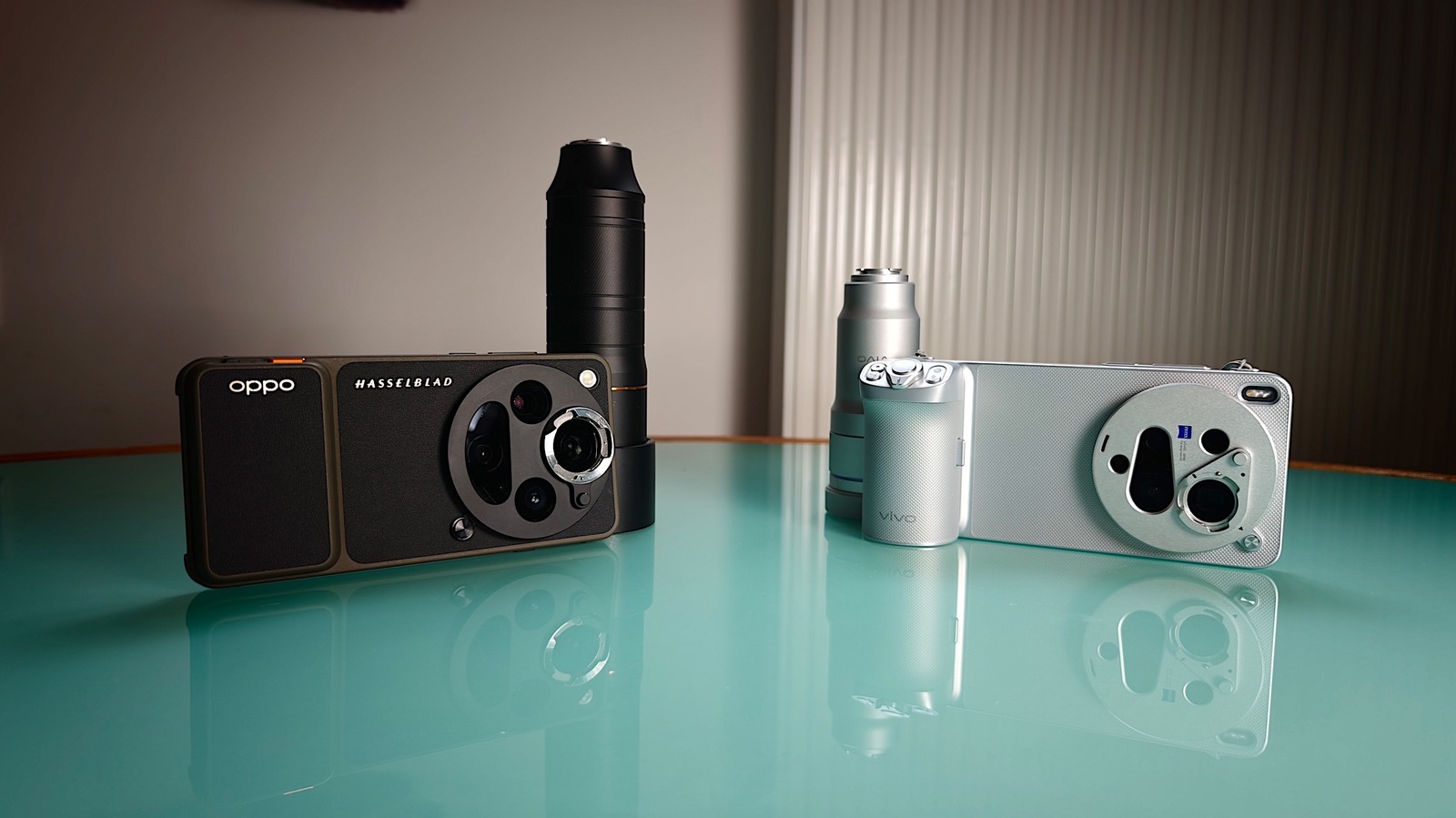
The Oppo Find X9 Ultra and Vivo X300 Ultra both include teleconverter lenses and high-resolution sensors. Engadget tested the two phones side by side to compare their camera performance.
May 22, 9:00 AM·1m read1 source
 Engadget
Audio version
Tap play to generate a narrated version.
Developing·Limited corroboration so far. This page will refresh as more sources emerge.
Engadget compared the two devices to assess differences in zoom range, image quality, and video capabilities.
The Find X9 Ultra uses a 200-megapixel primary sensor with an f/1.5 aperture. It also includes a 200-megapixel 3x telephoto camera, a 50-megapixel ultra-wide camera, and a 200-megapixel 10x telephoto camera. The phone adds a 3.2-megapixel multispectral sensor for color accuracy.
The X300 Ultra uses the same 200-megapixel main sensor but with a narrower 35mm focal length and f/1.85 aperture. Its 50-megapixel ultra-wide camera includes optical image stabilization and a larger 1/1.28-inch sensor. The phone's 200-megapixel telephoto camera reaches 3.7x zoom without an accessory.
300mm Explorer teleconverter attaches to the 3x telephoto sensor and delivers 13x optical zoom. The accessory maintains a relatively wide aperture even after attachment. Vivo's teleconverter system reaches 400mm focal length, or about 17x zoom, and includes a separate 200mm lens for 8.7x optical zoom.
Vivo's teleconverter offers a one-touch switch to accessory mode. Oppo's accessory provides better low-light performance and stability at high zoom levels according to the review. Both systems include tripod adapters.
The X300 Ultra records 4K video at 120 frames per second in 10-bit log format across its main cameras. It supports the APV 422 codec and the Academy Color Encoding System for professional workflows. The phone also provides custom 3D LUT previews during recording.
The Find X9 Ultra review did not detail equivalent video specifications. Both phones allow users to attach teleconverters for wildlife and action photography with reduced cropping.