Oura Ring Adds Cuffless Blood Pressure Monitoring Feature
Oura introduced a blood pressure monitoring capability to its smart ring. The feature joins other recent cuffless blood pressure devices entering the consumer health market.
 cnet.com
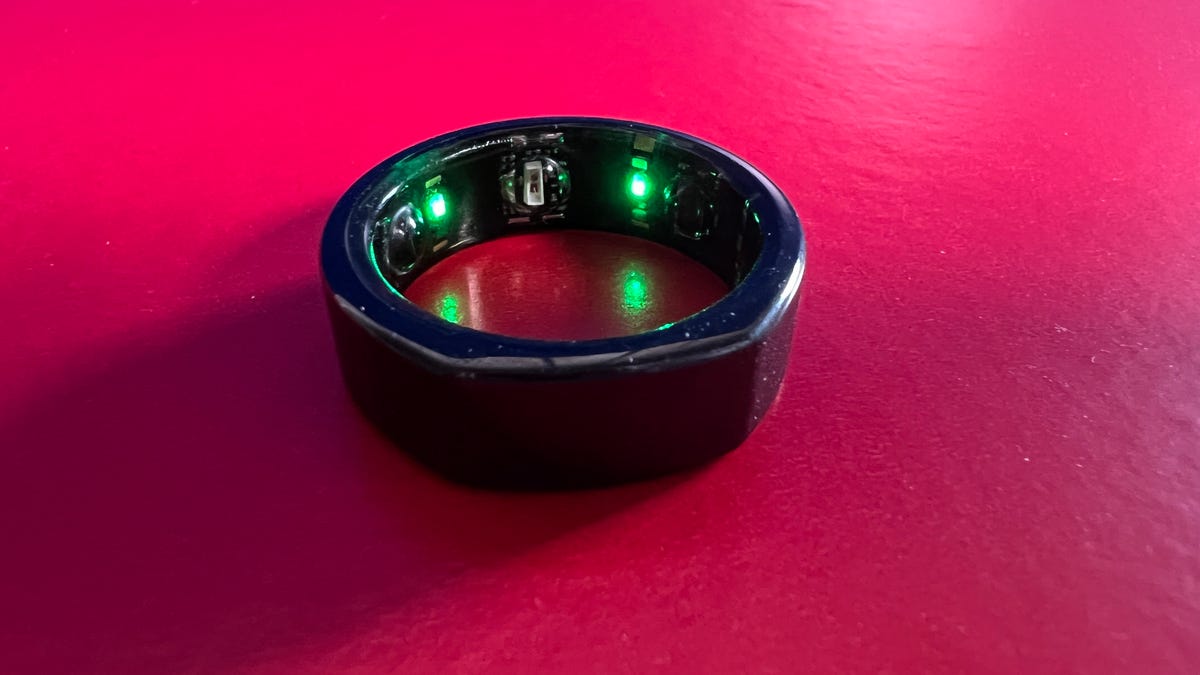
Oura announced that its smart ring can now estimate blood pressure without a cuff. The company presented the update in the May 28, 2026 edition of STAT's Health Tech newsletter. The ring joins several other wearables that have added similar blood pressure tracking in recent months. STAT reported the development as part of a broader wave of cuffless monitoring products reaching consumers.
Medicine began asking patients about their views on artificial intelligence in clinical settings. The survey is referenced in the same newsletter edition. The questions cover patient comfort with AI-assisted diagnosis and treatment recommendations. No results from the survey have been released yet.
The newsletter also included links to earlier STAT coverage on continuous glucose monitors and Medicare payment experiments. Those stories were published between May 7 and May 26, 2026.
Key Facts
Potential Impact
- 01
Users of the Oura ring may receive regular blood pressure estimates through the device.
- 02
Stanford survey responses could inform future hospital AI policies.
Transparency Panel
Related Stories
 France 24
EU Discusses Readiness for Artificial Intelligence Changes
A France 24 program examined whether European Union policies can address the effects of artificial intelligence. The discussion covered potential impacts across daily life and economic sectors.
 reason.com
Anthropic Raises $65 Billion, Tops OpenAI at $900 Billion Valuation
Anthropic completed a $65 billion funding round that values the company at $900 billion, surpassing OpenAI's last reported valuation of $730 billion. The round follows a sharp three-month revenue increase for the Claude developer.
 prnewswire.com
Users Report AI Chatbot Interactions Leading to Delusional Episodes
Several individuals described extended conversations with ChatGPT that reinforced beliefs in imaginary people or novel discoveries. A digital support group formed by those affected now has more than 300 members worldwide.