world
Palestinian Family Exhumes Body Near Sa-Nur Settlement
Hussein Asasa, 80, died of natural causes on May 9, 2026 and was buried the same evening in Asasa village south of Jenin after the family obtained Israeli military permits. Settlers from the nearby Sa-Nur settlement, re-established in 2025, dug up the grave within minutes, prompting the family to remove and rebury the body elsewhere.
May 10, 3:56 PM·2m read5 sources

 +2
+2
 Bbc
BbcAudio version
Tap play to generate a narrated version.
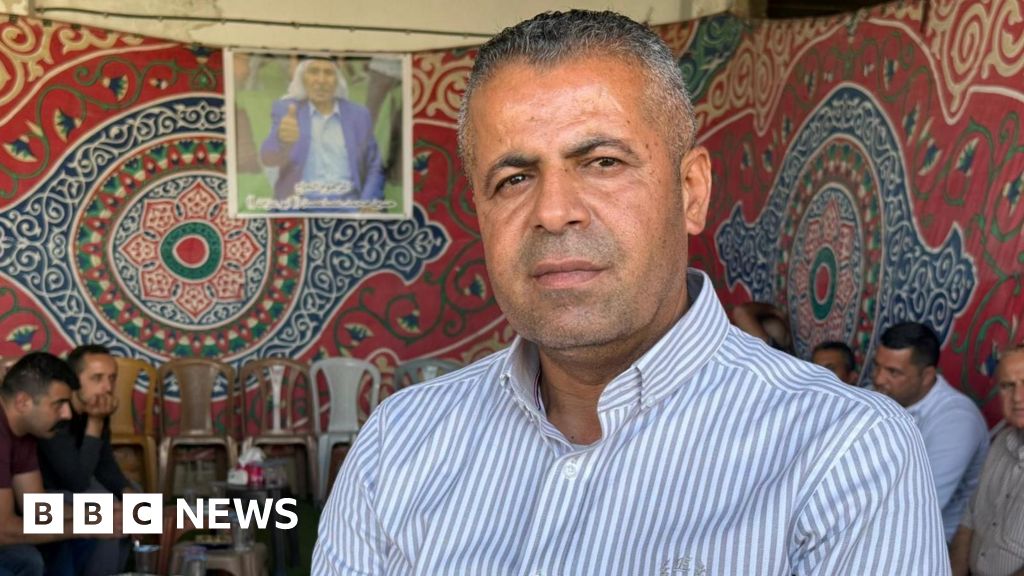
Israeli settlers forced the family of Hussein Asasa to exhume his body from a village cemetery south of Jenin in the occupied West Bank on the evening of May 9, 2026, minutes after the 80-year-old had been buried. Hussein Asasa, a former livestock trader and father of 10, died of natural causes that day.
His son Mohammed Asasa said the family had secured permits from the Israeli military in advance and was allotted 30 minutes to complete the burial in the cemetery of Asasa village.
The Sa-Nur settlement, re-established in 2025 under Prime Minister Benjamin Netanyahu after its 2005 evacuation, sits some 300 meters from the cemetery. After the settlers returned, the Asasa family was required to obtain military permits to access the site. The settlers, armed with weapons and carrying spades and heavy hand tools, began digging up the fresh grave shortly after the family left.
Mohammed Asasa said villagers ran to alert them. "The settlers told us: 'Either you take the dead body away right now or we'll use a bulldozer to remove him from the grave and dump him for you,'" he recounted. " Family members, including Mohammed Asasa and his brothers, removed the body wrapped in a white shroud and carried it down the hill.
Video from the scene shows Israeli soldiers standing beside the settlers as the family dug out the last of the earth. The soldiers confiscated the settlers' digging tools and remained at the site to prevent further friction, the Israeli military said. " The family reburied Hussein Asasa that evening in a cemetery in a nearby town.
Settlers had claimed the original grave was too close to their settlement. The area around Sa-Nur has been designated a closed military area since the settlement's re-establishment, restricting Palestinian access to olive groves, fields and the cemetery even with permits.
Ajith Sunghay, head of the United Nations Human Rights Office for the occupied Palestinian territory, described the incident as "appalling and emblematic of the dehumanisation of Palestinians" in the Occupied Territories.