finance
Panel at Fortune Summit Discusses Skills for Entry-Level Hiring
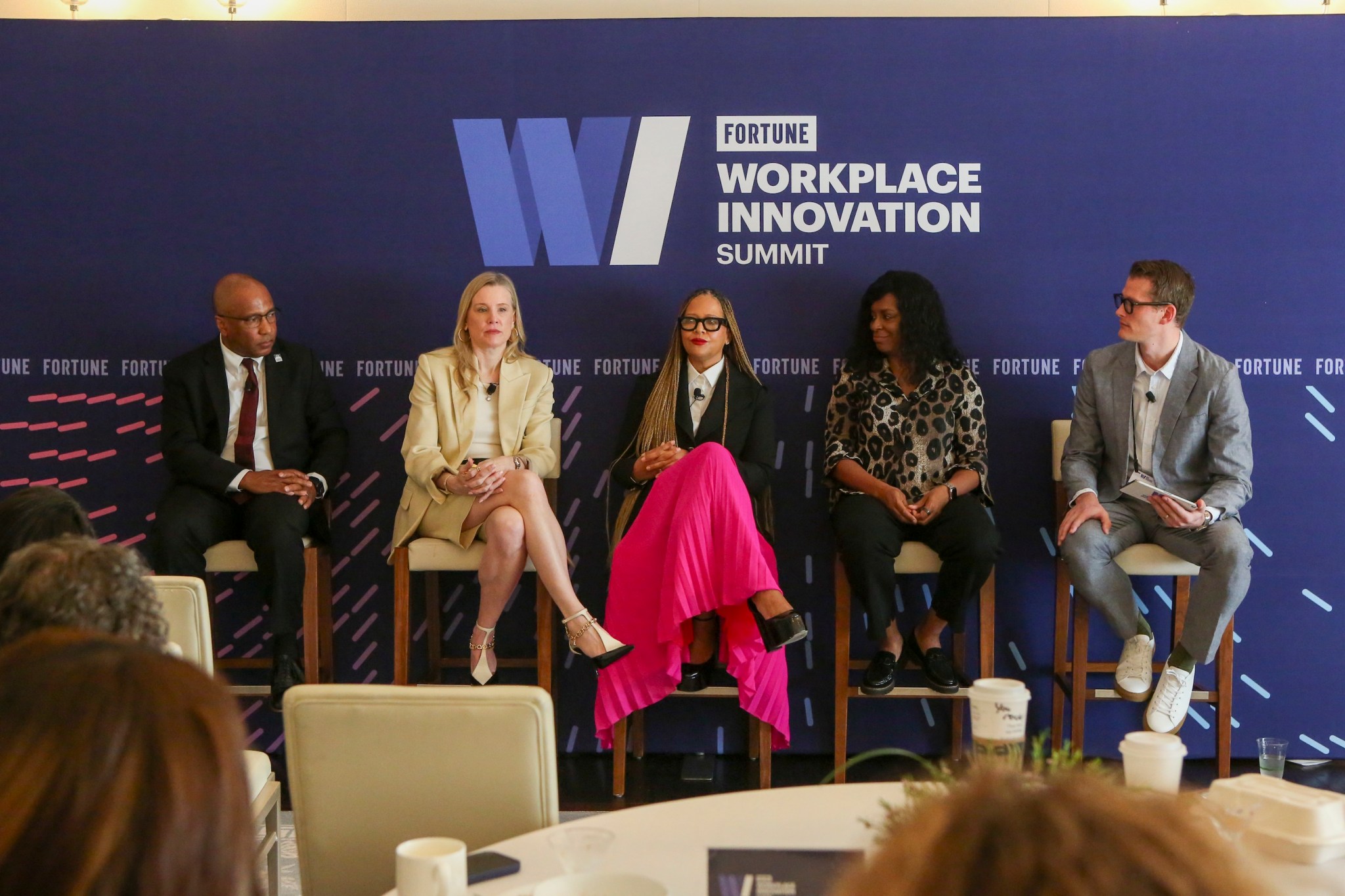
Executives and educators at Fortune's Workplace Innovation Summit addressed changes in entry-level hiring practices. Panelists discussed how AI, reduced entry-level positions, and new evaluation methods are affecting recent graduates.
May 22, 1:23 PM·2m read1 source
 Fortune
Audio version
Tap play to generate a narrated version.
Executives and educators at Fortune's Workplace Innovation Summit discussed shifts in entry-level hiring practices for the class of 2026. Panelists examined how AI, fewer traditional entry-level roles, and evolving employer expectations are changing the path from education to employment.
Debbie Dyson, CEO of SkillsRight, said entry-level positions have shifted upward. "The entry-level jobs have elevated. And so the new entry-level job is now what used to be the mid-level job," she said. Dyson noted that AI has removed many tasks that previously allowed new workers to learn through on-the-job training.
Dr. Harry L. Williams, president and CEO of the Thurgood Marshall College Fund, said students at the organization's 57 member schools are anxious about these changes. "Students are scared. And they're nervous with AI, because we don't know where it's going," he said.
Williams added that the pace of AI development has increased uncertainty on campuses.
Becky Schmidt, chief people officer at PepsiCo, said the company continues to hire across its operations and maintains intern and campus programs. She noted that even large technology firms have moved away from direct campus recruiting at some universities.
"Even Big Tech is not going to places like the University of Michigan engineering anymore," Schmidt said. Christina Mancini, CEO of Black Girls Code, said public discussion of AI has not reached many students. "There's a conversation that's happening at the academia level, and then there's a conversation that's happening at the enterprise level, but there's no conversation happening for us," she said.
Mancini stated that claims coding skills are becoming obsolete are premature.
Dyson described three areas employers now evaluate: technical skills, soft skills such as problem-solving and communication, and cultural fit. She said cultural fit has become the deciding factor in many hiring decisions. Schmidt said PepsiCo looks beyond listed job responsibilities for evidence of broader aptitude.


