ai
Panel at Fortune Workplace Summit discusses entry-level hiring challenges
Executives and educators at the Fortune Workplace Innovation Summit examined how AI, reduced entry-level roles, and shifting employer expectations are affecting recent graduates. Panelists described changes in hiring practices and the skills now emphasized by employers.
May 22, 7:30 PM·1m read1 source
FO
 fortune.com
Audio version
Tap play to generate a narrated version.
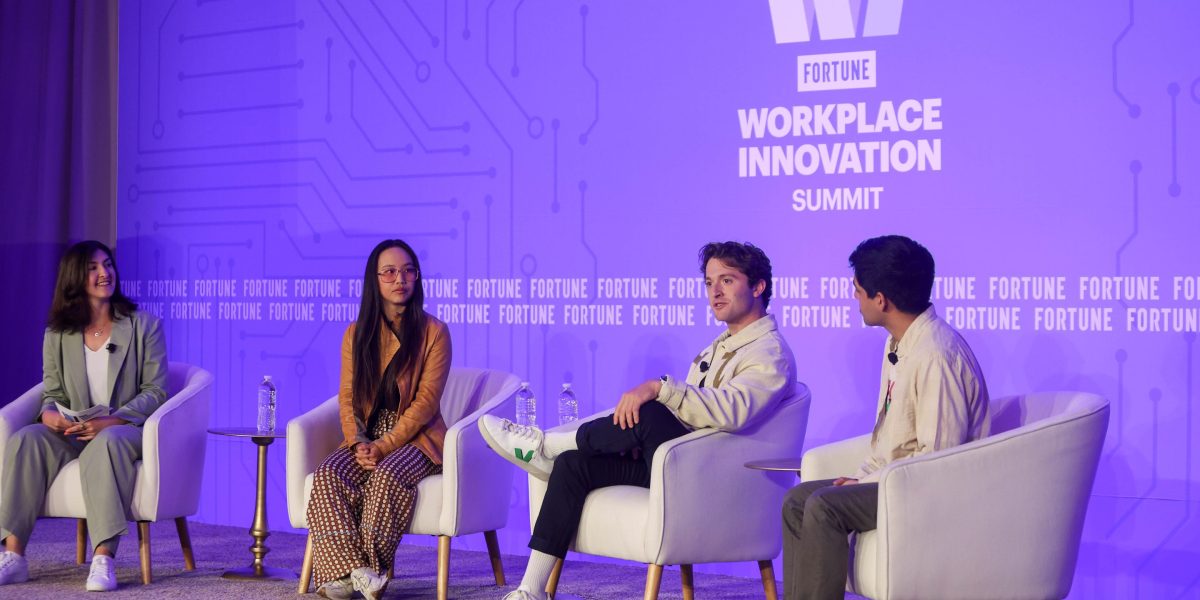
A panel at Fortune's Workplace Innovation Summit this week addressed hiring conditions facing the class of 2026. Participants included Christina Mancini, CEO of Black Girls Code; Dr. Harry L. Williams, president and CEO of the Thurgood Marshall College Fund; Debbie Dyson, CEO of SkillsRight; and Becky Schmidt, chief people officer at PepsiCo.
Post by @FortuneMagazine on X
The discussion was moderated by Adam Banicki, Fortune's head of video. Debbie Dyson described a structural change in entry-level positions. "The entry-level jobs have elevated. And so the new entry-level job is now what used to be the mid-level job," she said.
She noted that AI has removed many tasks previously used for on-the-job training. Dr. Harry L. Williams said students at the 57 historically Black colleges and universities represented by his organization are anxious about AI's rapid development.
Becky Schmidt stated that PepsiCo continues to hire across countries where it operates and maintains intern and campus programs, though recruitment methods have changed. Christina Mancini argued that public discussion of AI occurs mainly at academic and corporate levels, leaving many graduates without guidance.
She said claims that coding skills are becoming obsolete are premature and stressed the continued need for human oversight of AI outputs.
Dyson outlined three factors employers now consider: technical skills, soft skills such as problem-solving and communication, and cultural fit. Schmidt said PepsiCo values demonstrated aptitude beyond formal job duties when evaluating candidates. Panelists also noted difficulties graduates face when moving from online applications to interviews.
Williams reported that some students secure interviews but struggle to discuss skills listed on AI-assisted résumés. An audience member described repeated rejections contributing to lowered confidence among applicants. Williams recommended earlier internships and direct training partnerships between corporations and campuses.