Paris Musee d’Orsay Opens Gallery for Nazi-Looted Artworks
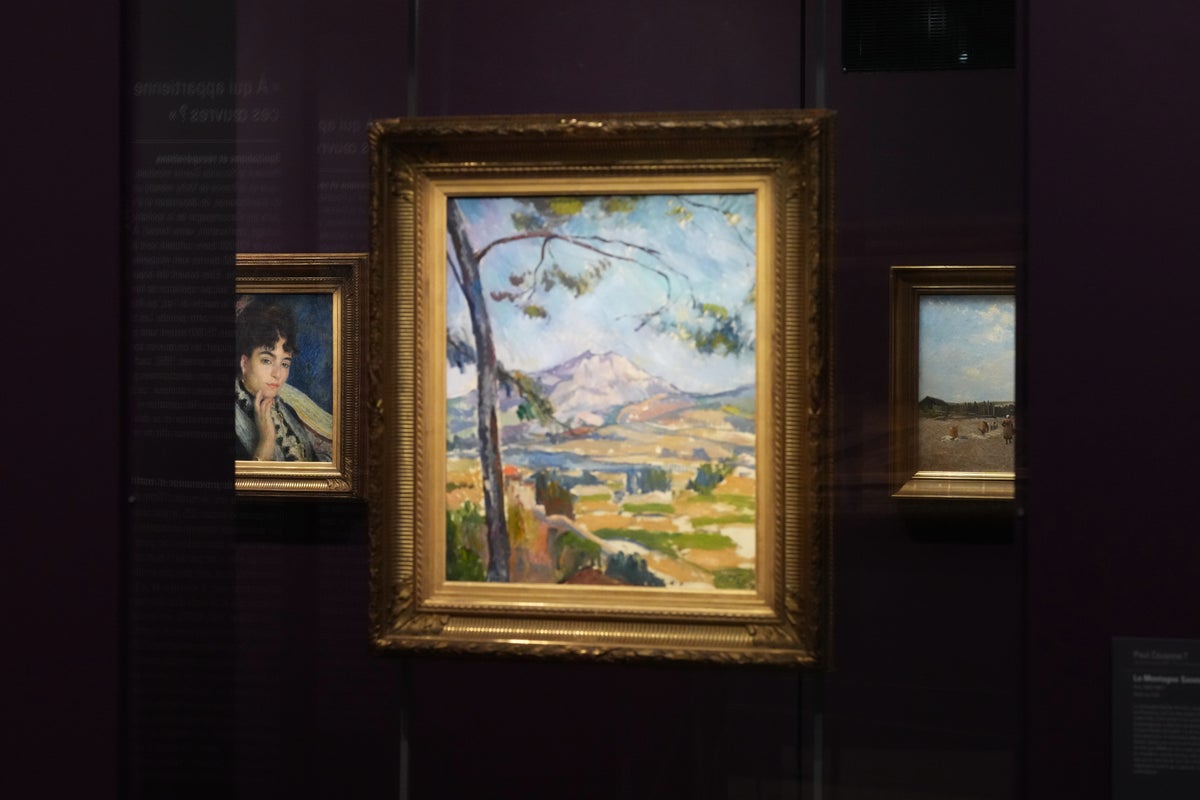
The Musee d’Orsay has opened a new gallery displaying 13 works known as MNR artworks that were looted by the Nazis and have no identified owners. The display allows visitors to view the reverse sides of the paintings showing stamps and labels from their wartime history. The museum also launched a six-person Franco-German research unit last month to trace potential heirs.
The IndependentA painting by Belgian artist Alfred Stevens from 1891 is among the 13 works now on display. The artwork shows a girl in a bonnet and her younger brother looking toward the Normandy coast. It was acquired in Paris in 1942 for Adolf Hitler and later intended for his planned museum in Linz, Austria, before being moved to his Bavarian retreat.
Allied teams known as the Monuments Men recovered the painting after the war. No heir has come forward and its ownership before 1942 is unknown. The gallery is the first in the museum’s history to focus on these orphaned masterpieces. Visitors can examine the reverse sides of the displayed paintings.
These reveal stamps, labels and inventory marks that document their path from private homes into Nazi possession. They are not state property but are kept for possible return to heirs. France recovered about 60,000 of roughly 100,000 cultural objects looted during the occupation, returning 45,000 to owners.
The 2,200 MNR artworks were those without identified owners from the remaining 15,000 pieces.
Last month the museum established its first research unit dedicated to the works. The unit consists of six Franco-German researchers who will examine files to identify rightful owners. Returns of such artworks have been limited over the decades. Only four MNR works were returned between 1954 and 1993.
The museum has returned 15 pieces since 1994. Recent returns in 2024 included works by Alfred Sisley and Auguste Renoir to heirs of one family. Other paintings in the gallery include an Edward Degas copy of a Berlin ballroom scene once owned by a Jewish collector killed in Auschwitz.
Historians began examining the Vichy government’s role in the 1960s. The government collaborated with the Nazis in deporting 80,000 Jews and in the handling of looted property. In July 1995 President Jacques Chirac acknowledged French state responsibility.
A national inquiry into the plunder of Jewish artwork followed in 1997. Paris served as Western Europe’s main art market in the early 20th century. German museums sent buyers and Hitler’s agents selected valuable pieces. The head of provenance research at the museum stated that the Paris art market was the most important in Europe at the time.
Nazi buyers had significant resources and targeted both looted property and forced sales. Hitler sought to create the world’s largest museum in his hometown of Linz. A retired schoolteacher who viewed the new gallery said she had seen the letters MNR at the Louvre but did not know their meaning.
A software engineer who examined the reverse of the Cezanne painting said the labels would now have new significance for him given his family’s history. The museum’s chief sculpture curator and co-curator of the gallery said there is no statute of limitations on these crimes.
The new gallery presents the histories of the individual works alongside the paintings. The research unit will continue to review records. The gallery currently holds 13 works but may expand as provenance research progresses. The MNR artworks remain in French museums while efforts to find heirs continue.
Key Facts
Story Timeline
5 events- 2026
Musee d’Orsay opens first gallery dedicated to Nazi-looted MNR artworks.
1 sourceThe Independent - April 2026
Museum launches six-person Franco-German research unit to trace heirs.
1 sourceThe Independent - 2024
Orsay returns Sisley and Renoir works to heirs of Gregoire Schusterman.
1 sourceThe Independent - 1997
National inquiry launched into plunder of Jewish artwork.
1 sourceThe Independent - 1995
President Jacques Chirac acknowledges French state responsibility.
1 sourceThe Independent
Potential Impact
- 01
Increased public awareness of Nazi looting history through visible provenance markings on displayed artworks.
- 02
Continued documentation of Vichy government role in art market during Nazi occupation.
- 03
Potential identification and return of additional MNR artworks to heirs as research unit examines files.
Transparency Panel
Related Stories
The GuardianWHO Chief Visits DRC as Ebola Death Rate Reaches 30-50%
World Health Organization director-general Tedros Adhanom Ghebreyesus arrived in the Democratic Republic of the Congo to support containment of a new Ebola outbreak. The agency revised the death rate to 30-50% based on confirmed cases and recorded 10 confirmed and 223 suspected d…
westernjournal.comGreek National Charged in UK With Aiding Iran-Linked Intelligence Service
A 46-year-old Greek man living in Germany was charged under the UK National Security Act with assisting an intelligence service believed to be Iran by targeting a journalist at Iran International.
physicianonfire.comBilt Rewards reports $1 billion revenue target for 2026
Bilt Rewards CEO Ankur Jain said the company's flagship credit card accounts for less than 11 percent of revenue. The firm now processes more than $100 billion in annual housing spend across one in four U.S. apartment buildings.