Parties pursue primary interventions and independent candidates ahead of 2026 elections
Both parties are using primary spending and independent candidacies to shape 2026 contests after redistricting reduced the number of competitive districts. Republicans have backed weaker Democratic primary candidates in Nebraska, Pennsylvania, and Texas. Democrats have aligned with independents in Nebraska and Montana.
 thehindu.com
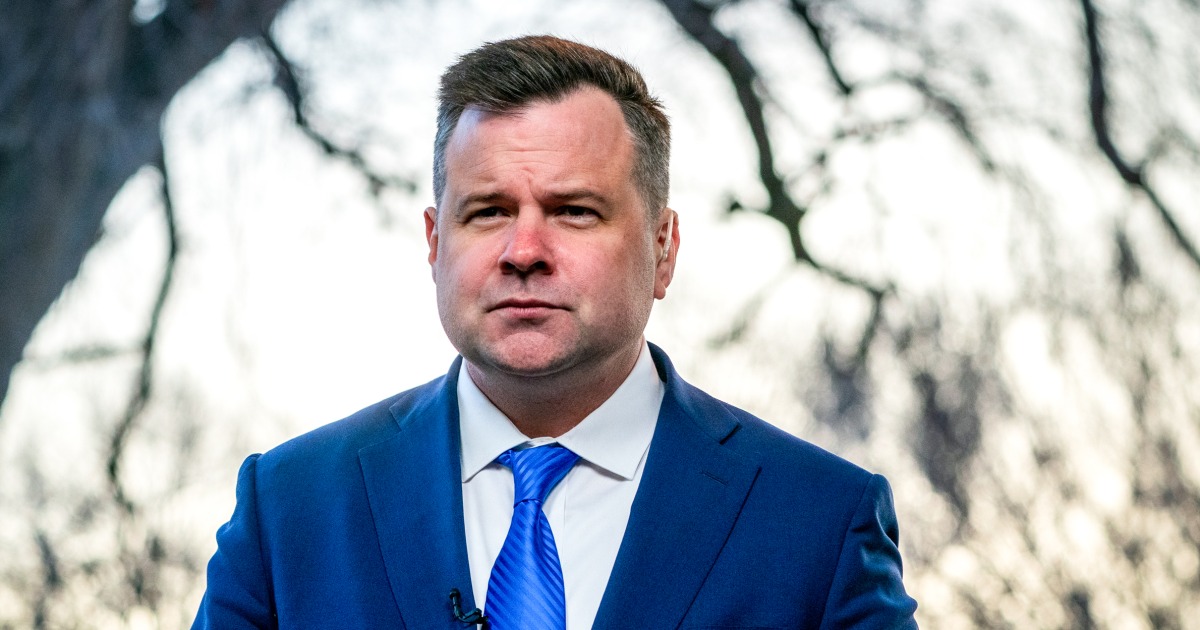
Both parties are using primary spending and independent candidacies to shape 2026 contests after redistricting reduced the number of competitive districts. Republican strategist Brian Seitchik told the Washington Examiner that fewer races are now competitive.
He said that in past decades there could be upwards of 50 or 60 House races and nearly a dozen Senate races that were competitive. Seitchik added that limited spending opportunities have led campaigns to seek other avenues to affect elections.
Primary interventions In Nebraska’s 2nd Congressional District, the PAC Lead Left spent to attack Democratic state Sen. John Cavanaugh and support consultant Denise Powell, who won the primary by just over 1,000 votes. Republicans viewed Powell’s ties to a state investigation into alleged foreign donations as a potential general-election vulnerability.
The same PAC later spent in Pennsylvania’s Lehigh Valley to boost former Northampton County Executive Lamont McClure, though McClure lost the primary to Bob Brooks. Democrats allege Lead Left is doing the bidding of the GOP and cite reports that the PAC has ties to WinRed.
In Texas, GOP-linked groups supported Democratic runoff candidate Maureen Galindo. Garcia ultimately won the runoff.
Independent candidates In Alaska, Republicans have accused Democrats of encouraging a second candidate named Dan Sullivan to run against incumbent Sen. Dan Sullivan (R-AK) under ranked-choice voting. Democrats have denied coordination. In Nebraska, Democratic officials have aligned with independent Senate candidate Dan Osborn.
Democratic candidate Cindy Burbank has signaled she intends to leave the race to unify anti-Republican voters behind Osborn. In Montana, independent candidate Seth Bodnar outraised the combined Democratic field and Republican nominee Kurt Alme, who is backed by President Donald Trump.
Democratic strategist Jon Reinish told the Washington Examiner that party brands are not popular in independently minded states. Democratic strategist Michael Ceraso said Democrats would be better served recruiting stronger local candidates rather than engineering electoral strategies.