Substrate
world

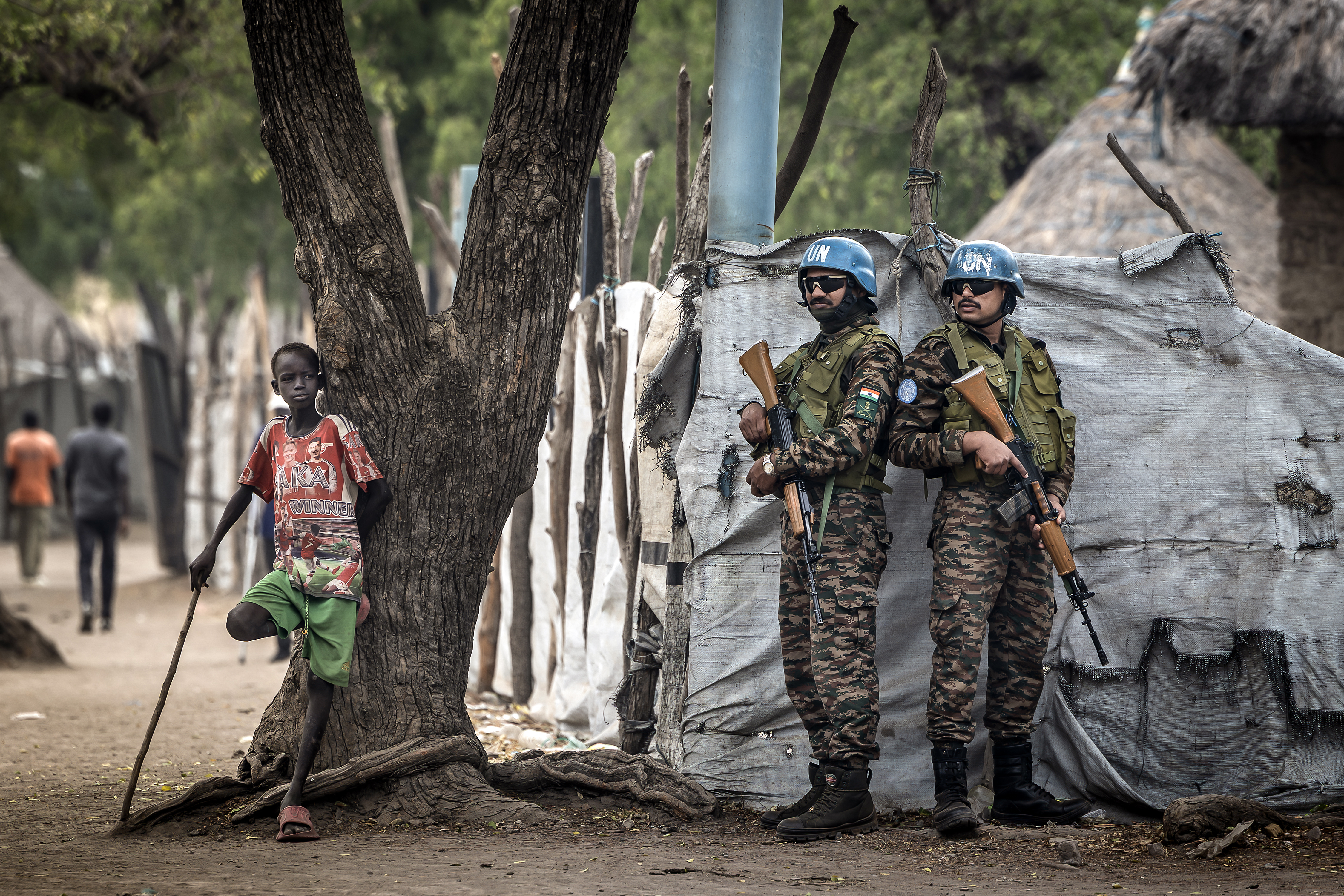
Peacekeeping personnel reach lowest level in 25 years

International peace operations personnel fell to 78,633 by the end of 2025. SIPRI attributes the 17 percent drop to funding shortfalls and policy shifts by major donors.

Defense News
1 source·May 24, 10:01 PM(4 days ago)·1m read
Peacekeeping personnel reach lowest level in 25 yearsDefense News
Audio version
Tap play to generate a narrated version.

The number of military personnel deployed in peacekeeping operations worldwide reached its lowest level in at least 25 years by the end of 2025. Stockholm International Peace Research Institute data showed 78,633 international personnel assigned to peace operations on December 31, a 17 percent decline from the previous year and a 49 percent decline since the end of 2016.

Funding and policy changes SIPRI said cuts stemmed mainly from a United Nations funding crisis caused by delayed or unpaid contributions from major donors. The shortfall prompted reductions in spending on several large operations. The United Nations peacekeeping budget faced a $2 billion shortfall at the start of July 2025.

The General Assembly approved a $5.38 billion budget for the 2025-2026 period, the lowest in at least a decade. The United States took significant action in 2025 to withdraw from, defund, or challenge various UN bodies, the report stated. This included seeking an end to the UN Interim Force in Lebanon by December 2026.

Regional distribution and contributors Sub-Saharan Africa hosted 70 percent of deployed personnel, the Middle East and North Africa 15 percent, and Europe 12 percent. The two largest operations were the UN Multidimensional Integrated Stabilization Mission in the Central African Republic and the UN Mission in South Sudan.

The ten largest contributors of military and police personnel were all countries in the Global South. Uganda supplied the most troops with 4,657, followed by Nepal, Bangladesh, and India, each providing more than 4,000. SIPRI noted that regional organizations conducted 34 of the 52 total operations but face capability and funding gaps that limit their ability to replace UN-led missions.


Key Facts

78,633 personnel
total deployed in peace operations at end of 2025
$5.38 billion
UN peacekeeping budget approved for 2025-2026
17 percent drop
year-over-year decline in deployed personnel
4,657 troops
largest single-country contribution, from Uganda

Story Timeline

3 events
  1. End of December 2025

    Peacekeeping personnel totaled 78,633, down 17 percent from 2024.

    1 sourceDefense News
  2. July 2025

    UN peacekeeping budget showed a $2 billion shortfall.

    1 sourceDefense News
  3. 2025

    United States moved to withdraw from or defund several UN bodies.

    1 sourceDefense News

Potential Impact

  1. 01

    Several major UN operations reduced staffing due to the funding shortfall.

  2. 02

    The UN Interim Force in Lebanon faces closure by December 2026.

  3. 03

    Regional organizations may assume more operations despite capability gaps.

Transparency Panel

Sources cross-referenced1
Confidence score75%
Synthesized bySubstrate AI
Word count270 words
PublishedMay 24, 2026, 10:01 PM
Bias signals removed2 across 1 outlet
Signal Breakdown
Loaded 1Editorializing 1

Related Stories

Journalists in Gaza to Receive 2026 Golden Pen of Freedom Awardstraitstimes.com
world2 hrs ago

Journalists in Gaza to Receive 2026 Golden Pen of Freedom Award

Three international news agencies will accept the award on behalf of their local staff still reporting from the territory. The World Association of News Publishers cited the journalists' continued coverage under extreme conditions.

Al-Monitor
AF
2 sources
Supreme Court Revives Havana Docks Lawsuit Over Confiscated Cuban Propertyupi.com
world2 hrs ago

Supreme Court Revives Havana Docks Lawsuit Over Confiscated Cuban Property

The U.S. Supreme Court sent a Helms-Burton Act case back to lower courts for further argument. The suit seeks damages from cruise lines that used docks seized by Cuba in 1959.

FO
1 source
Pakistan Population Growth Outpaces Infrastructure as Male Contraception Stays TabooFrance 24
world2 hrs agoDeveloping

Pakistan Population Growth Outpaces Infrastructure as Male Contraception Stays Taboo

Pakistan's population exceeds 258 million and could reach 300 million by 2030. Contraception remains largely taboo in a society shaped by traditional values. The country continues to lag behind neighbors India and Bangladesh in key social sectors.

FR
France 24
2 sources